Smart Traffic Fund drives safer trips
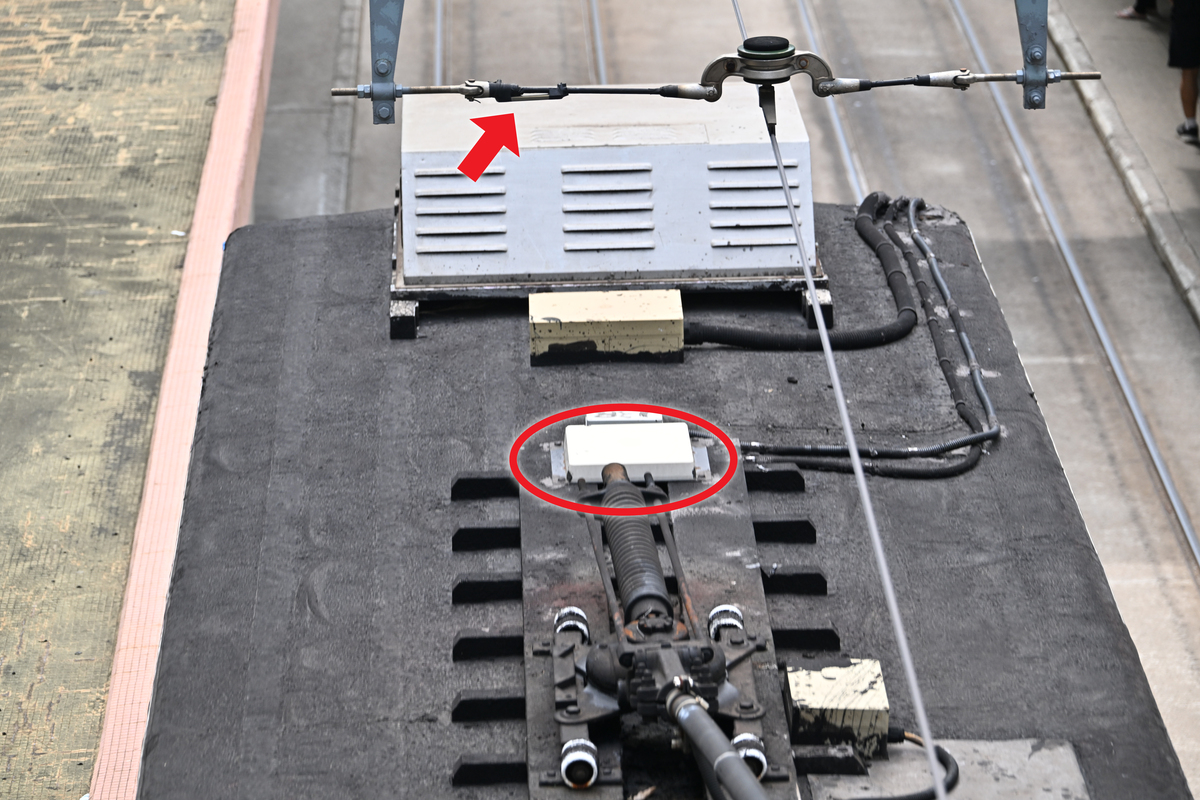
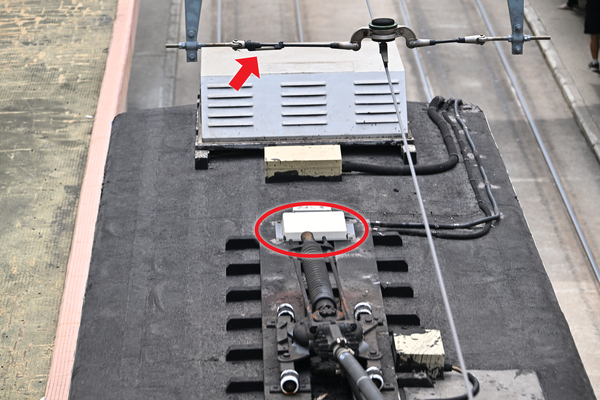
A tram equipped with a radio frequency identification (RFID) reader (circled in red) passes an RFID tag (indicated by red arrow), enabling the Smart Ding Ding System to accurately capture its real-time location.
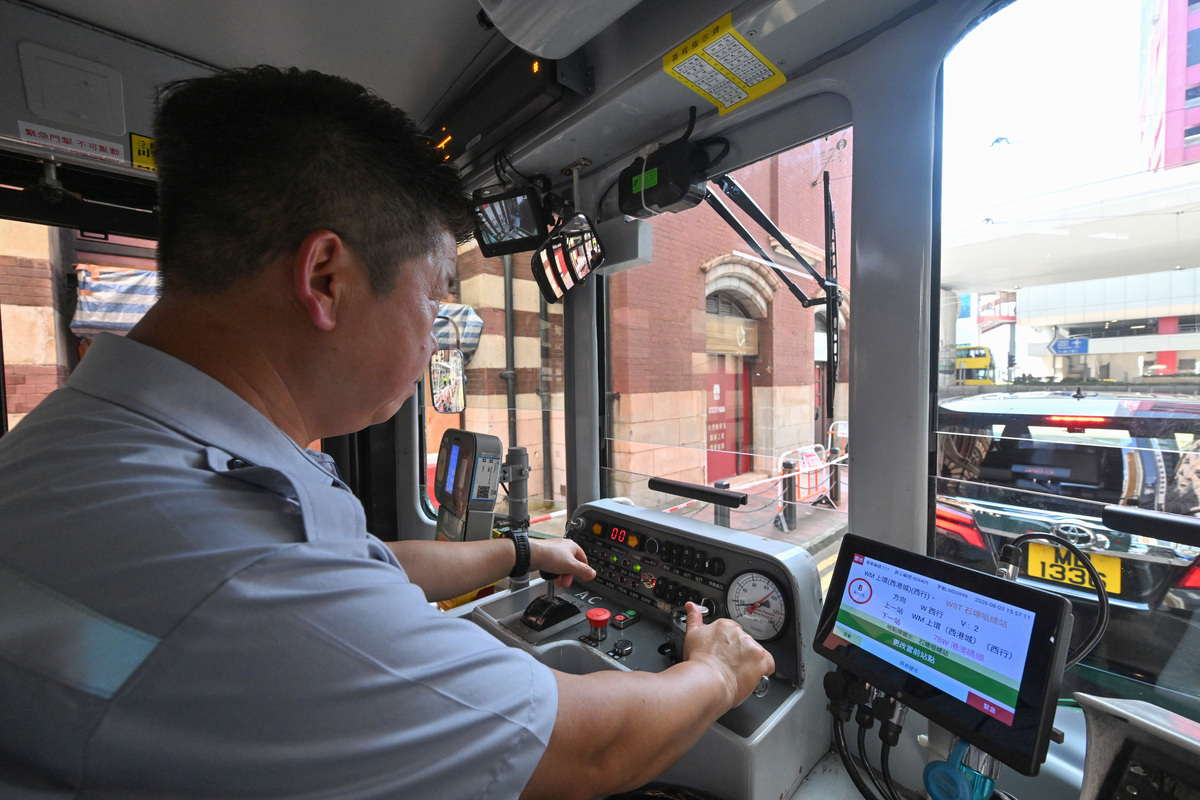
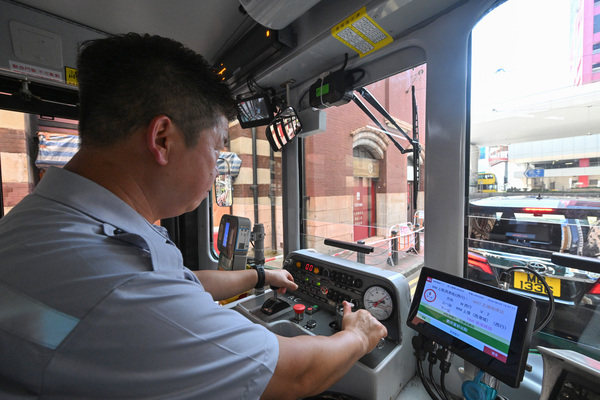
Specific RFID tags have been installed at 20 sharp curves. Before entering these bends, an in-cab display alerts the driver to ensure the tram remains within the safe limit of 8km per hour.

Hong Kong Tramways Assistant Manager (Technical Support) Chan Tsz-to says that precise location data allows control room staff to flexibly adjust services based on real-time conditions and provide passengers with estimated arrival times for the next three trams.
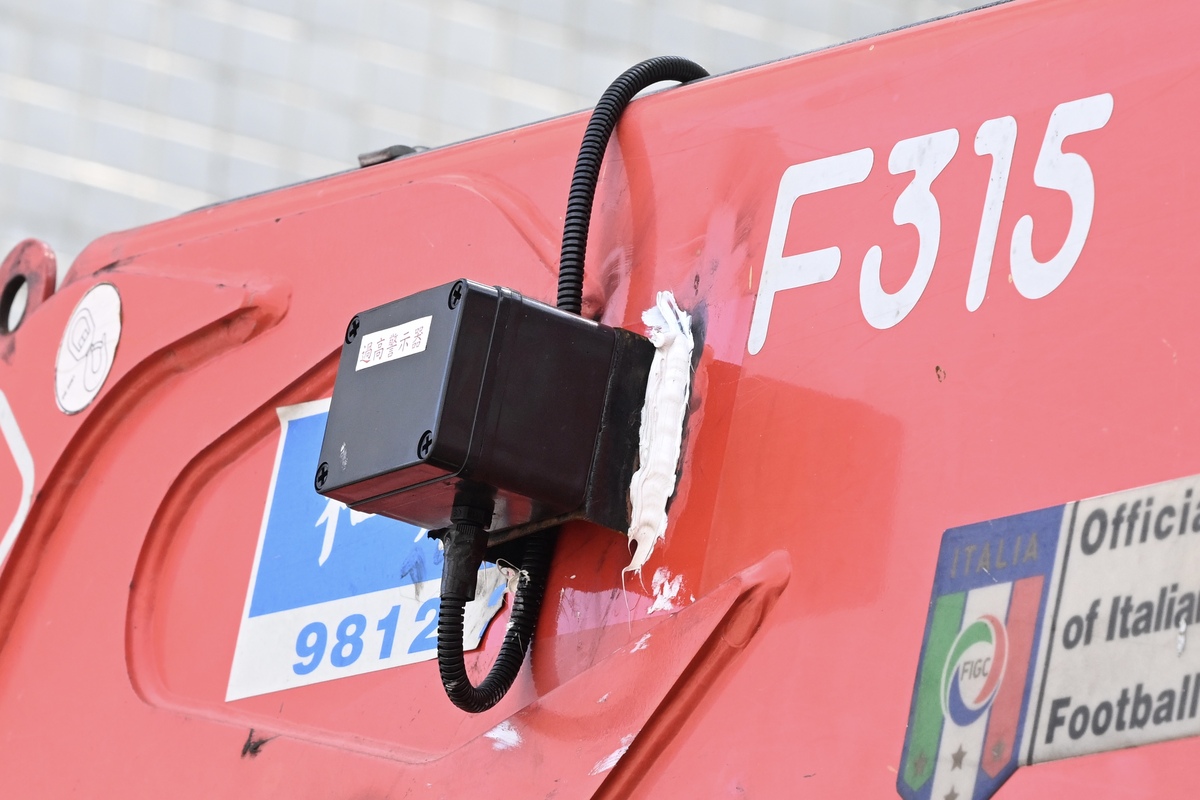
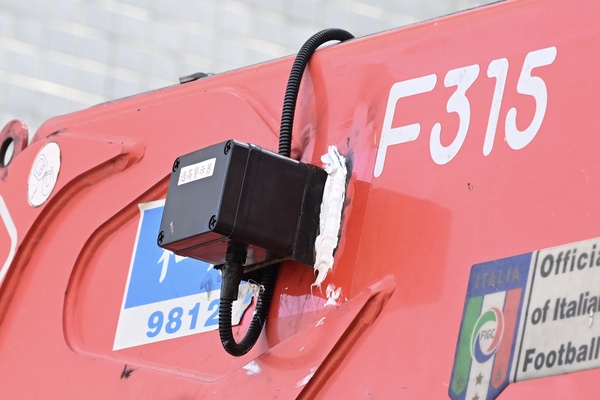
The Crane Position Monitoring System utilises a crane-mounted sensor to monitor height and angle.
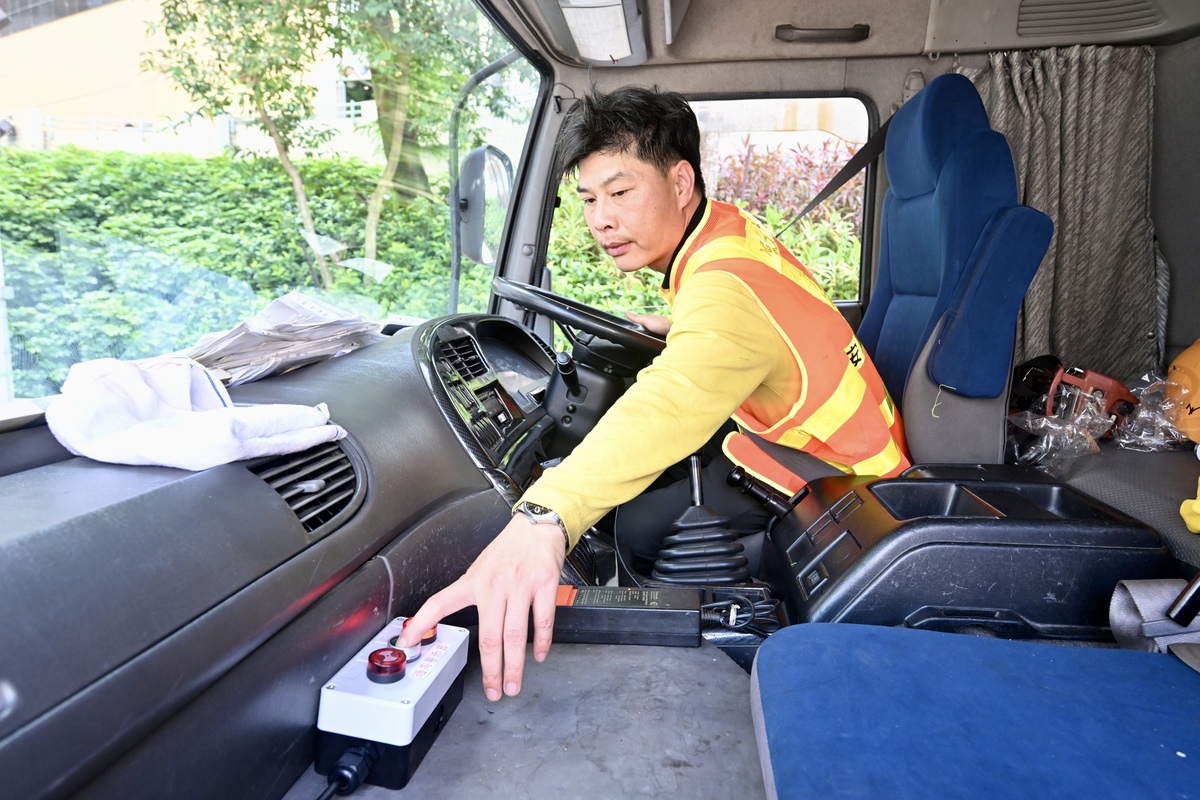
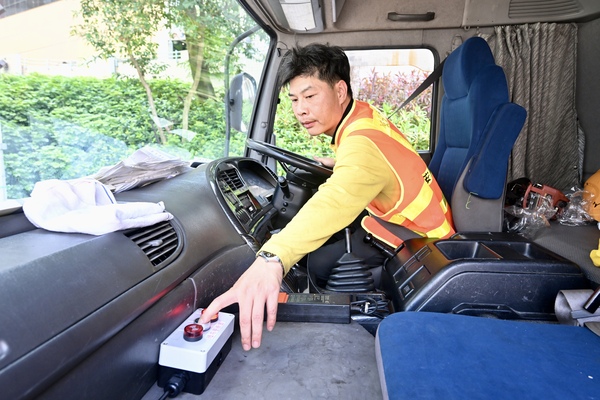
If the system detects the vehicle moving while the crane is not fully retracted, audio and visual alarms are triggered in the cab, prompting the driver to take immediate action.
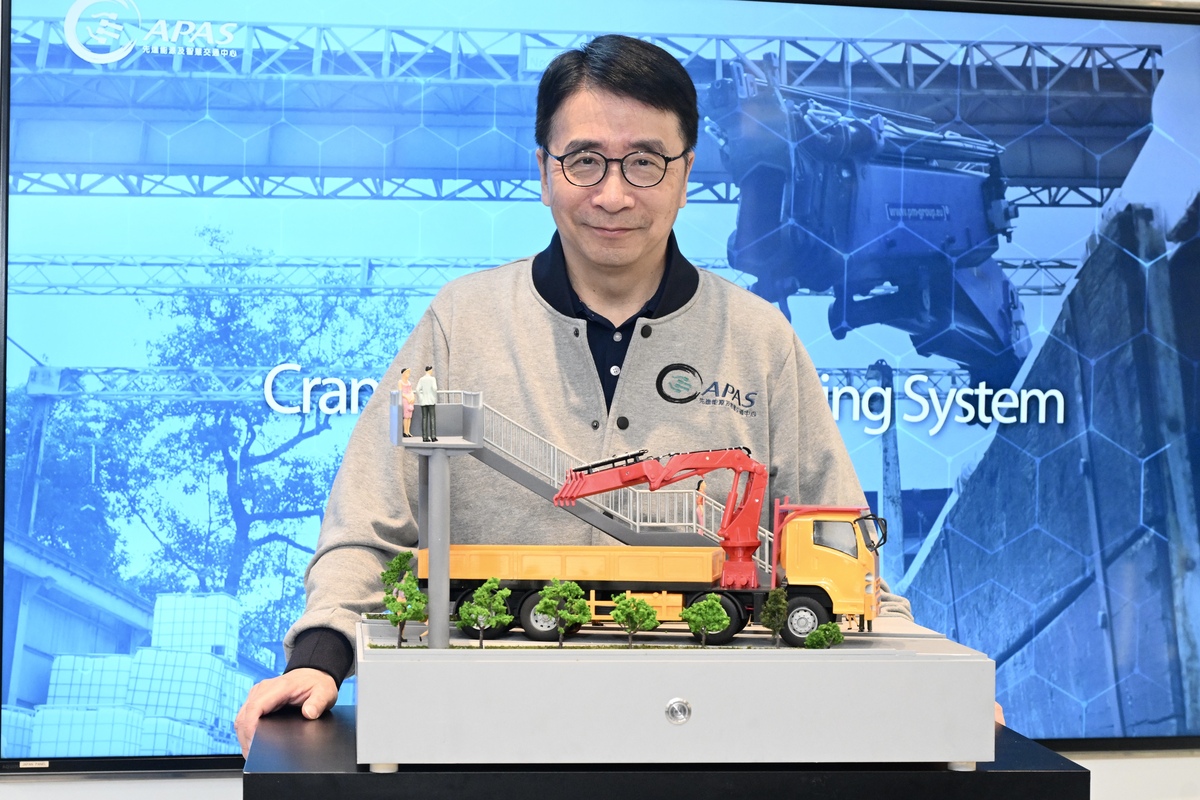
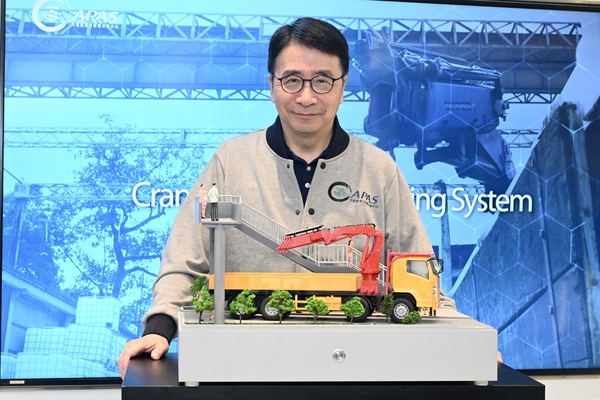
Centre of Advanced Power & Autonomous Systems former Chief Executive Officer Lawrence Cheung emphasises the importance of reliability, noting that the system is designed to prevent false alarms so that drivers can trust the warnings.
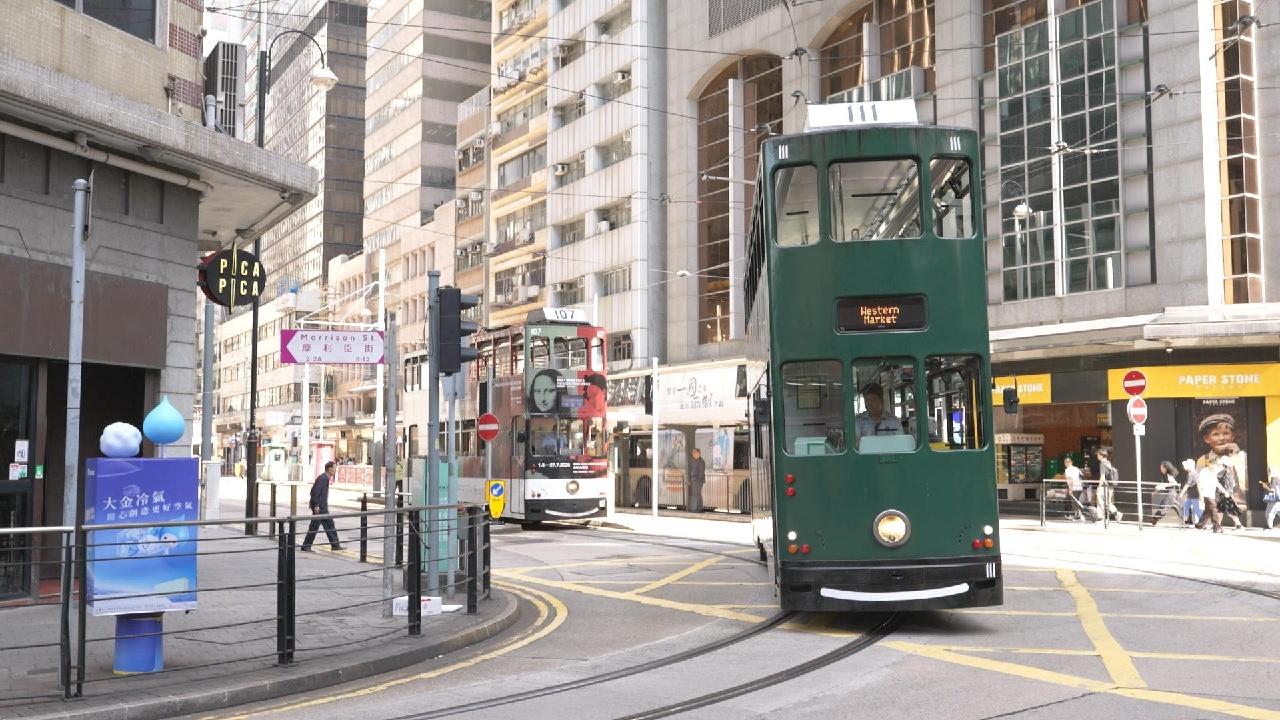

Facing high population density and rising transport demand, the Government established the $1 billion Smart Traffic Fund to encourage research and development and drive innovations that enhance commuting convenience, maximise network efficiency and improve driving safety.
A prime example is the Smart Ding Ding System, developed by Hong Kong Tramways over a period of more than a year with fund backing. The system utilises radio frequency identification (RFID) technology to boost operational efficiency and safety.
Real-time precision
"On each tram, we have installed an RFID reader on the roof," explained Hong Kong Tramways Assistant Manager (Technical Support) Chan Tsz-to. "We have also installed RFID tags at about 400 different locations across our network on the span wires. When a tram passes these tags, the system detects its actual location in real time."
Before this system was installed, the company had relied on track switches to determine a tram’s location, a method limited by track configuration. Now, with precise real-time data, control room staff can better manage service intervals, handle unexpected disruptions and co-ordinate emergency manoeuvres.
This operational upgrade also benefits the public. By combining real-time tracking with historical data, the company now provides estimated arrival times for the next three trams on its mobile application, allowing passengers to plan their journeys with ease.
Furthermore, the system prioritises safety at the network’s 20 L-shaped curves. Special RFID tags have been installed at the curves to monitor tram speeds and ensure speeds remain within the safe limit of 8km per hour when taking a bend. "If the tram's speed is higher than the limit, an alarm is emitted by the system to alert the driver to slow down before entering the curve," Mr Chan added.
Safeguarding roads
Following incidents where lorry-mounted cranes struck road infrastructure, mandatory regulations were implemented in March 2025 requiring vehicles with extendable aerial structures to be fitted with over-height warning systems.
To support this transition, the Centre of Advanced Power & Autonomous Systems has developed a specialised crane position monitoring system.
"We need to make sure that the sensor is easy to install," noted the centre's former Chief Executive Officer Lawrence Cheung. "We want the development to be applicable to different kinds of cranes in different situations."
The system uses a sensor mounted on the crane to monitor its height and angle, cross-referencing this data with the global positioning system tracking to determine if the vehicle is in motion. If the vehicle moves while the crane is not fully retracted, audio and visual alarms are triggered in the cab. Mr Cheung emphasised the importance of reliability, noting that the system is designed to prevent false alarms so that drivers can trust the warnings.
Established in 2021, the Smart Traffic Fund has approved 92 projects to date, totaling about $638 million in funding. These projects cover road safety, driving behaviour, traffic forecasting, parking, vehicle safety devices and autonomous driving technology.