Women warm to construction careers
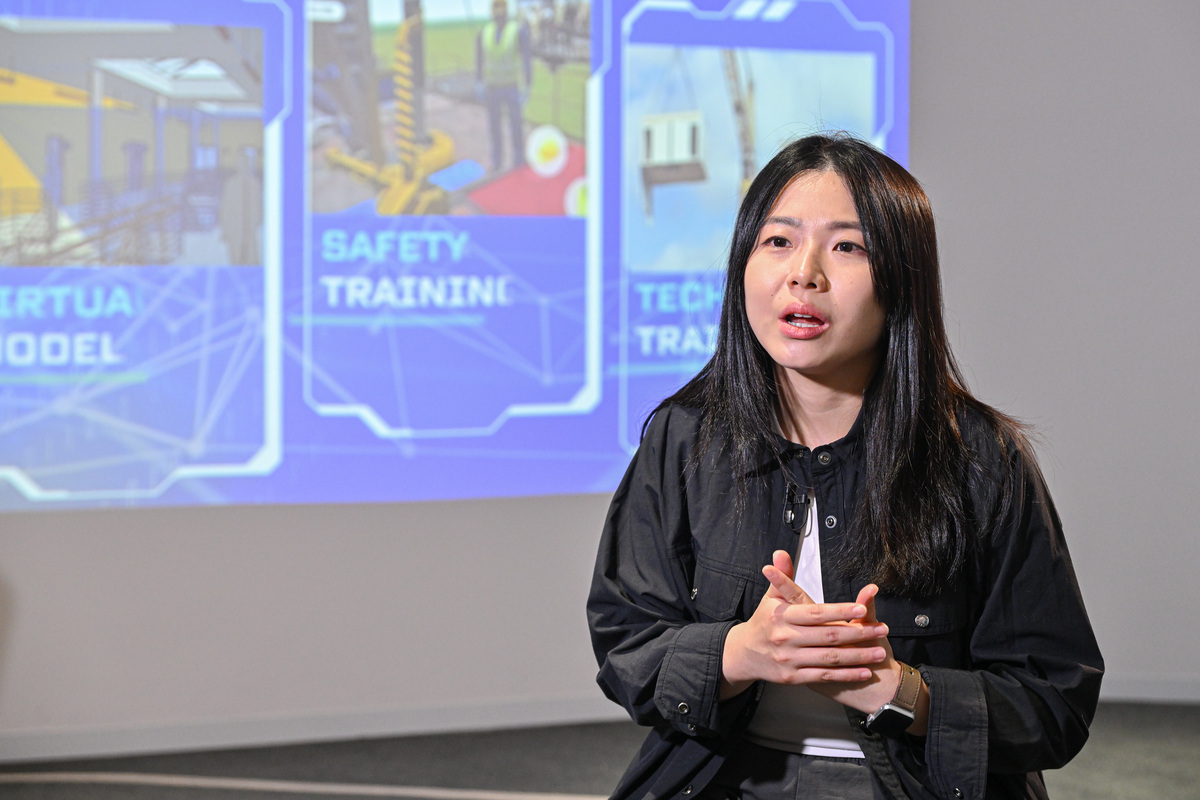
Assistant Quantity Survey Officer Rachel Yeung says women are employed in many different areas of construction and expects the numbers to continue growing.

Institute of Construction student Nicole Chan believes that men and women possess attributes that complement each other perfectly in the field of construction.

Construction Industry Council Executive Director Albert Cheng says the construction industry has shifted away from being primarily focused on manual work and labour-intensive jobs.
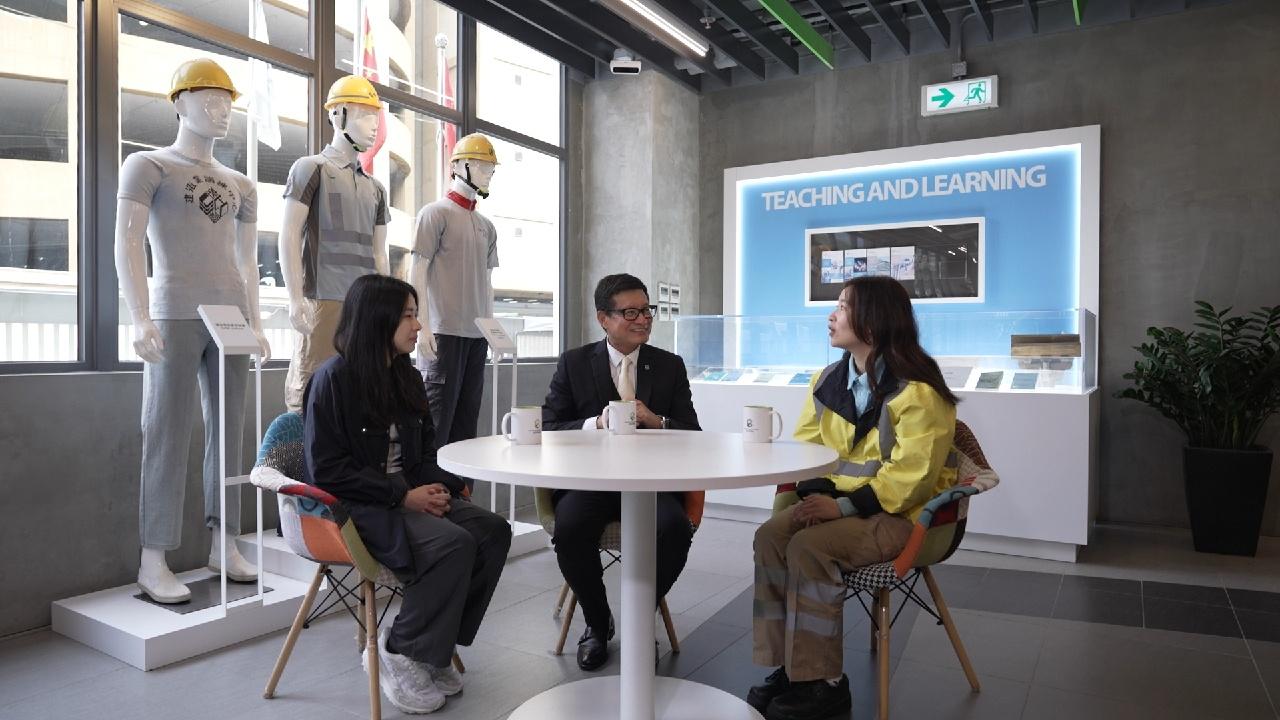


Rachel Yeung is currently employed as an Assistant Quantity Survey Officer at a construction company. Her role, which she says is mainly clerical and desk-based, is focused on handling contracts.
Recounting her entry into the construction industry, she explained that she was laid off from a trading company a few years ago due to the COVID-19 pandemic. Encouraged by friends who worked in construction, she saw the opportunity to make a career change and enrolled in an Advanced Diploma in Quantity Surveying at the Institute of Construction.
Unique strengths
“Previously, I thought the construction industry only involved engineering, which I perceived as a male-dominated field,” she reflected. “However, after entering, I have discovered many female colleagues – in quantity surveying, in engineering teams, and even among architects – and this number is likely to continue growing.”
Elaborating on the attributes women bring to bear, she added: “Women in the industry demonstrate remarkable patience and meticulousness in handling paperwork. Given that construction involves not only hands-on work but also managing numerous backup documents, women truly excel in this area.”
Rachel’s perspective is shared by Nicole Chan, who is currently studying a building services supervision course. She believes that men and women each possess unique strengths.
“I think the biggest difference between women and men lies in physical strength” she said. “While women may be slightly less physically strong, I maintain a regular exercise routine. Additionally, women often excel in attentiveness and the ability to notice specific details. This creates a wonderful balance, with each gender complementing the other perfectly.”
In recent years, there has been a clear uptick in the numbers of women entering the construction industry. According to figures from the Census & Statistics Department, in the fourth quarter of 2025 women accounted for approximately 13% of those employed in construction, up from under 8% two decades ago.
Industrial transformation
Construction Industry Council Executive Director Albert Cheng commented that the construction industry has shifted away from being primarily focused on manual work and labour-intensive jobs.
“In the past, working on-site required a lot of strength and effort. Now we apply a lot of technologies so the workers do not need to spend a lot of effort. Some of the trade now, the workers need only to control robotics, and maybe use some technologies, like building information modelling or artificial intelligence for site management and control. I think because of a change of the nature of the work, a lot of females would like to join this industry.”
He also highlighted the rising proportion of female students attending the Institute of Construction. This grew from 11% of the total number of students in the 2024-25 academic year to about 17% in the current academic year. Last year, the institute launched a flexible training course that better enables students to balance family and career development. With over 150 female applicants enrolling in the course, this is helping to inject new energy into the industry.