Digging deep to overcome obstacles
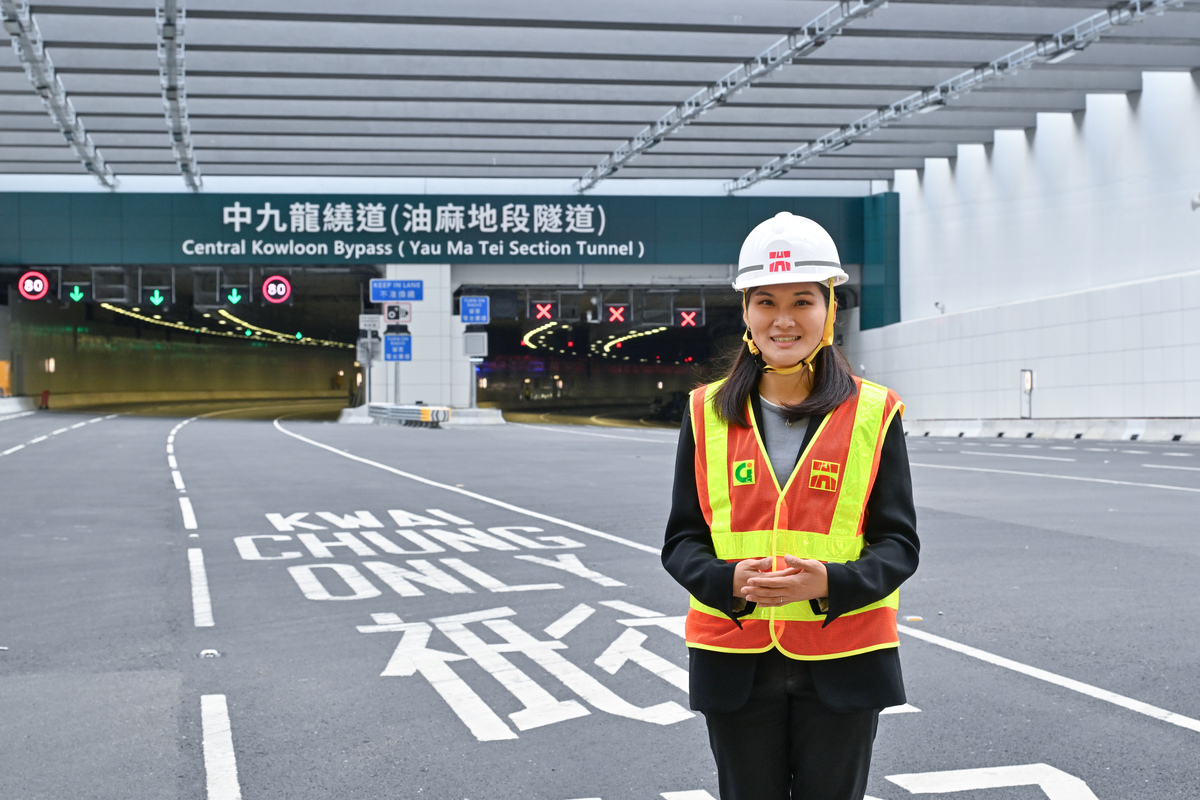
Highways Department Senior Engineer (Central Kowloon Route) Yanis Poon explains that the Smart Site Management Hub allows site activity to be monitored in real-time via cameras, Internet of Things sensors, water level sensors and other instruments.
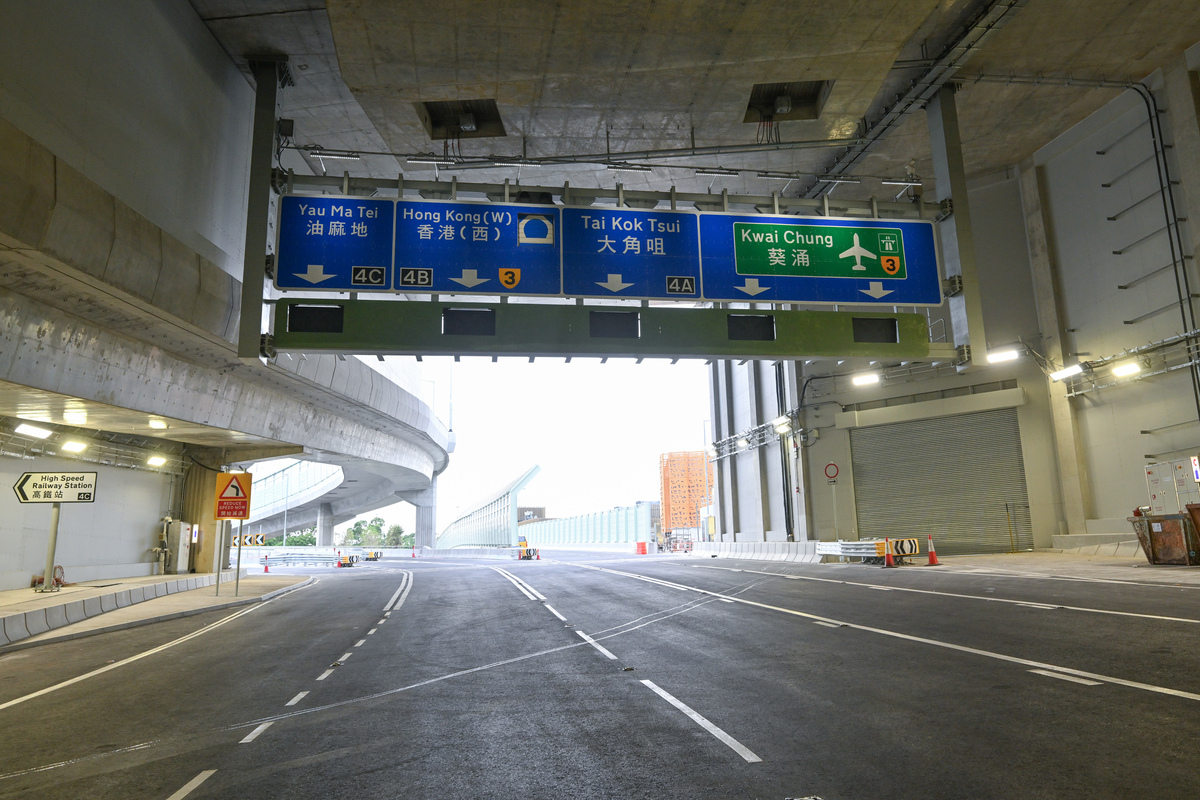
The western portal of the Central Kowloon Bypass (Yau Ma Tei Section) connects to the Yau Ma Tei Interchange, providing access to Kwai Chung, Tai Kok Tsui, Hong Kong Island West, Yau Ma Tei and Tsim Sha Tsui.
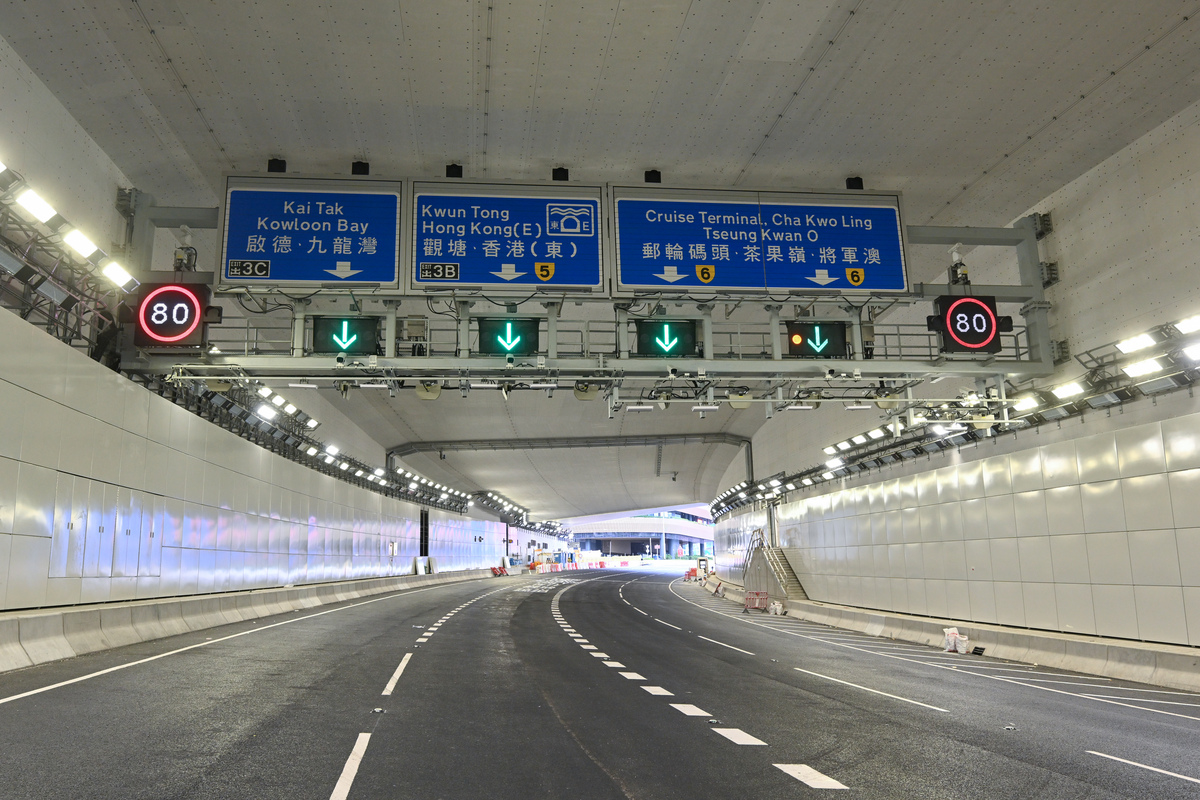
The eastern portal of the Central Kowloon Bypass (Yau Ma Tei Section) connects to the Kai Tak Interchange, allowing motorists to travel to and from Kai Tak, Kowloon Bay, Kwun Tong, Hong Kong Island East, Kai Tak Cruise Terminal and Tseung Kwan O.
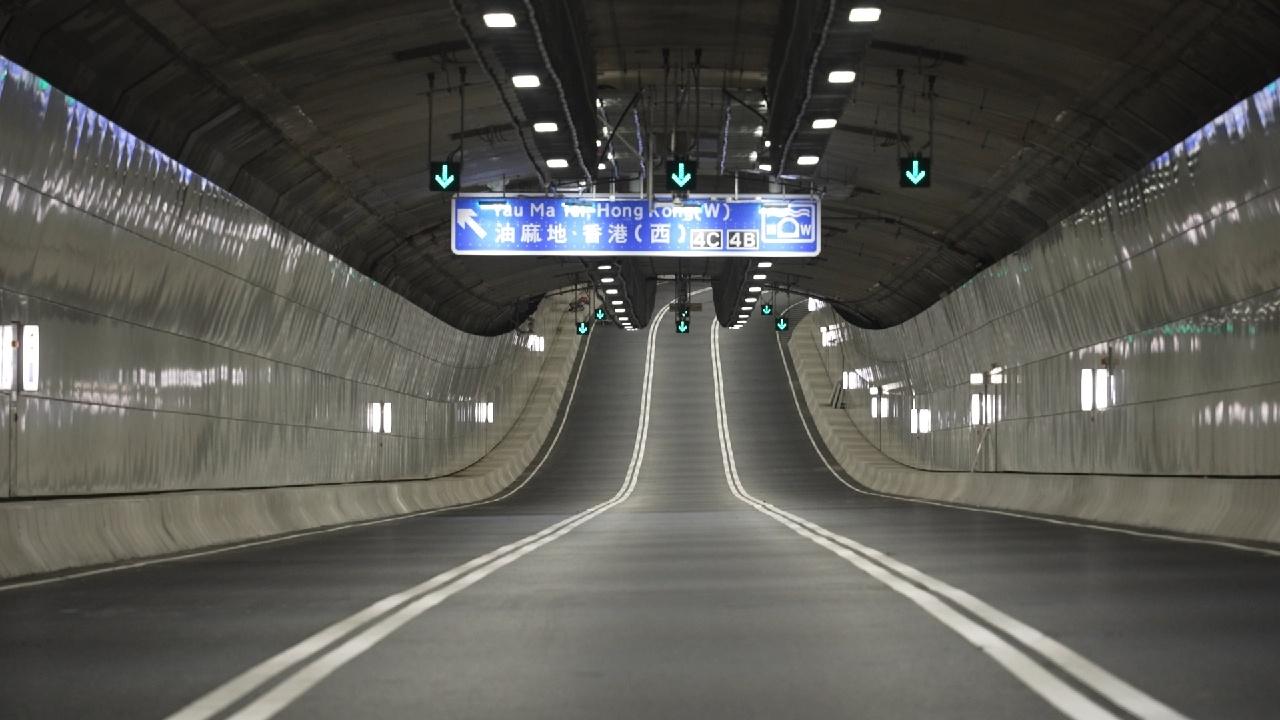
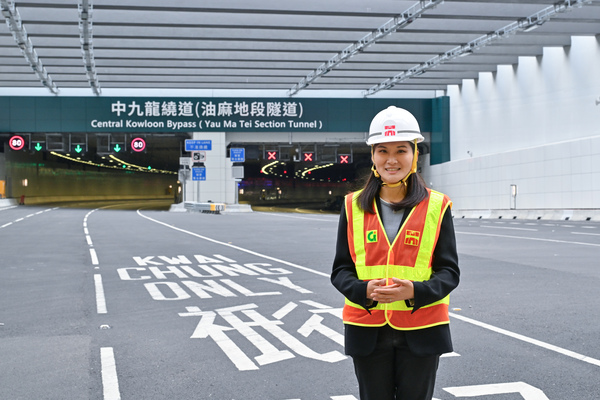
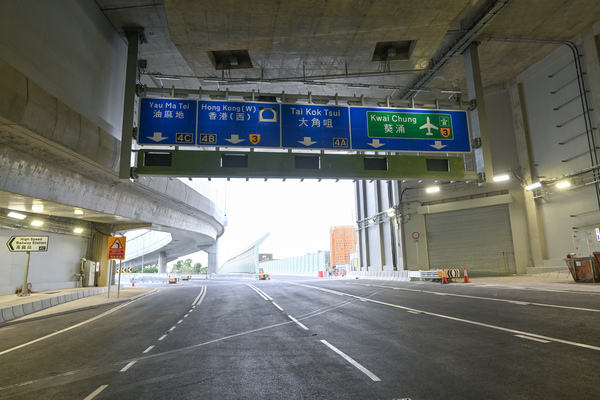
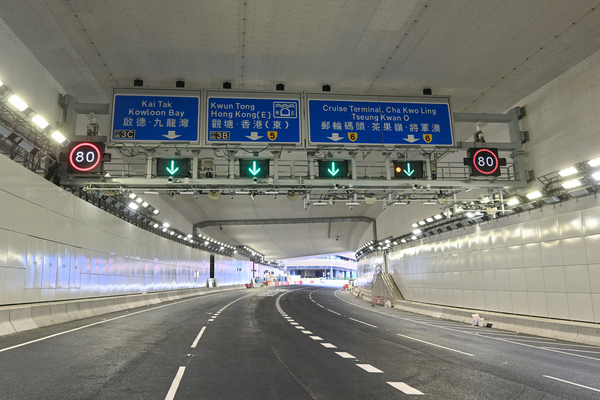
The Central Kowloon Bypass (Yau Ma Tei Section) is set to open on December 21, slashing the journey time from Yau Ma Tei to Kowloon Bay from approximately 30 minutes during peak hours to around five minutes.
The section spans 4.7km, including 3.9km of three-lane, two-way tunnel, and will connect the Kai Tak Development Area and Kowloon Bay in East Kowloon to the Yau Ma Tei Interchange in West Kowloon.
Highways Department Senior Engineer (Central Kowloon Route) Yanis Poon described the new road as an important corridor that will enhance the overall transportation network across the whole of Kowloon.
While many vehicular tunnels cross mountains and seas, the Central Kowloon Bypass (Yau Ma Tei Section) is an underground tunnel that passes through Central Kowloon, one of Hong Kong’s most densely populated urban areas. The project therefore demanded meticulous route planning and the ability to surmount numerous challenges.
Engineering ingenuity
Construction of a 370-metre-long underwater tunnel connecting Ma Tau Kok and Kai Tak involved adopting a temporary reclamation construction method – and the restoration of the original seabed post-construction demonstrates the Government’s commitment to minimising environmental impacts.
Meanwhile, the tunnel between Ma Tau Kok and Yau Ma Tei, measuring 2.8km, was constructed using the drill-and-blast method, with some 2,400 blasts being executed. It was essential during these works to ensure that the approximately 240 buildings above and near the tunnel, including Queen Elizabeth Hospital, remained unaffected.
Ms Poon stated: “We have strictly controlled the timing of tunnel blasting. For instance, near the hospital area, blasting was limited to specific 15-minute intervals each day to ensure the medical equipment was not affected.”
She added: “As the tunnel passes extremely close to the MTR lines, with a minimum distance of only 3m, we switched to the drill-and-break method at the intersection point to ensure railway operations were unaffected.”
Another challenge came with the construction of a 400-metre-long tunnel under Kansu Street in Yau Ma Tei, the route of which overlapped with the existing Gascoigne Road Flyover. The project team had to relocate the flyover and demolish the Yau Ma Tei Car Park Building to construct the tunnel while maintaining the traffic flow during the entire construction period.
“To address this complex task, the team executed demolition and relocation in phases to maintain road user safety throughout construction,” Ms Poon explained.
Smart solutions
Given the project's scale, the Highways Department leveraged a range of innovative technology to enhance safety and efficiency. This includes implementing a Smart Site Management Hub (SSMH) that allows site activity to be monitored via cameras, Internet of Things sensors, water level sensors and other instruments. This platform enables project personnel to access real-time information.
“During Black Rainstorm warnings or when Typhoon Signal No. 10 was issued this year, we utilised the SSMH to monitor site conditions,” Ms Poon said. “Fortunately, we did not observe any flooding in our tunnel during these adverse weather events. It is a good opportunity to prove that our flood control system is effective.”
The department also deployed a Smart Over-Height Vehicle Detection System, which utilises detection cameras, light detection and ranging technology, and artificial intelligence. It identifies and stops vehicles that are over-height in order to prevent collisions with bridges under construction.