Safeguarding HK’s marine treasures
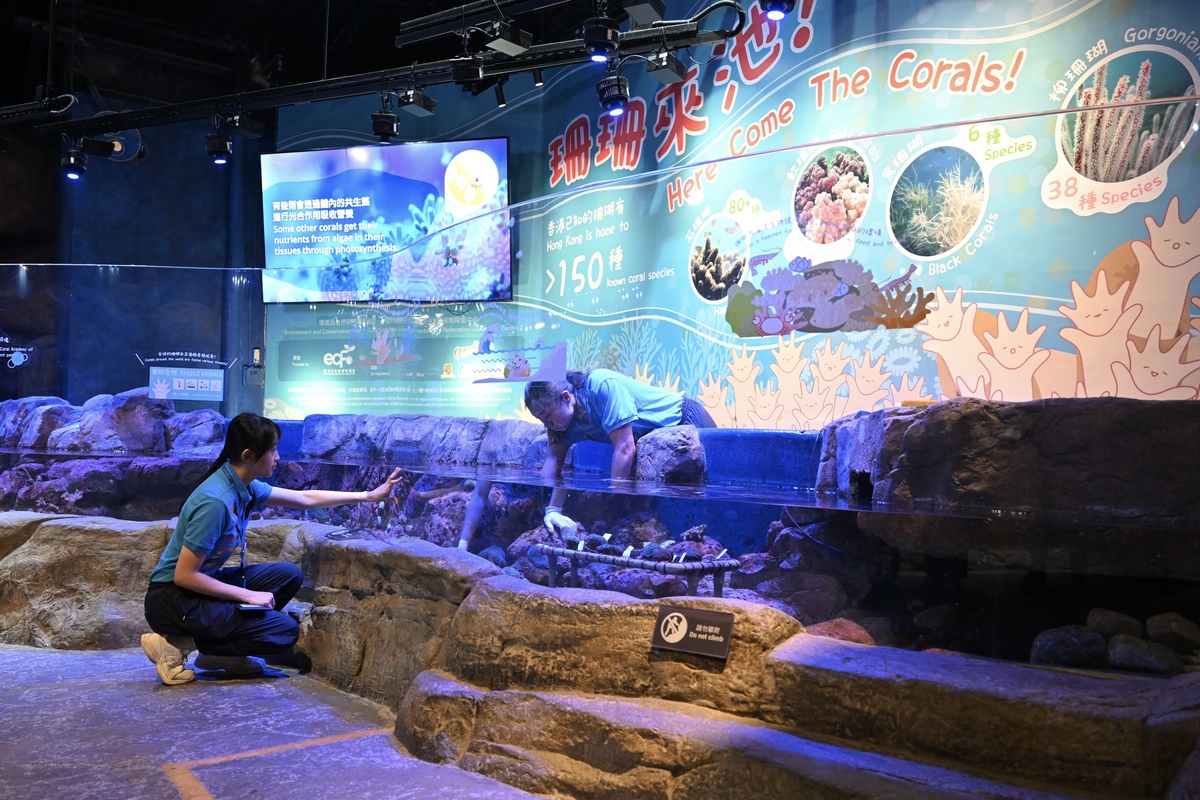
Ocean Park’s coral exhibition, backed by the Environment and Conservation Fund, has attracted over one million visitors to date.
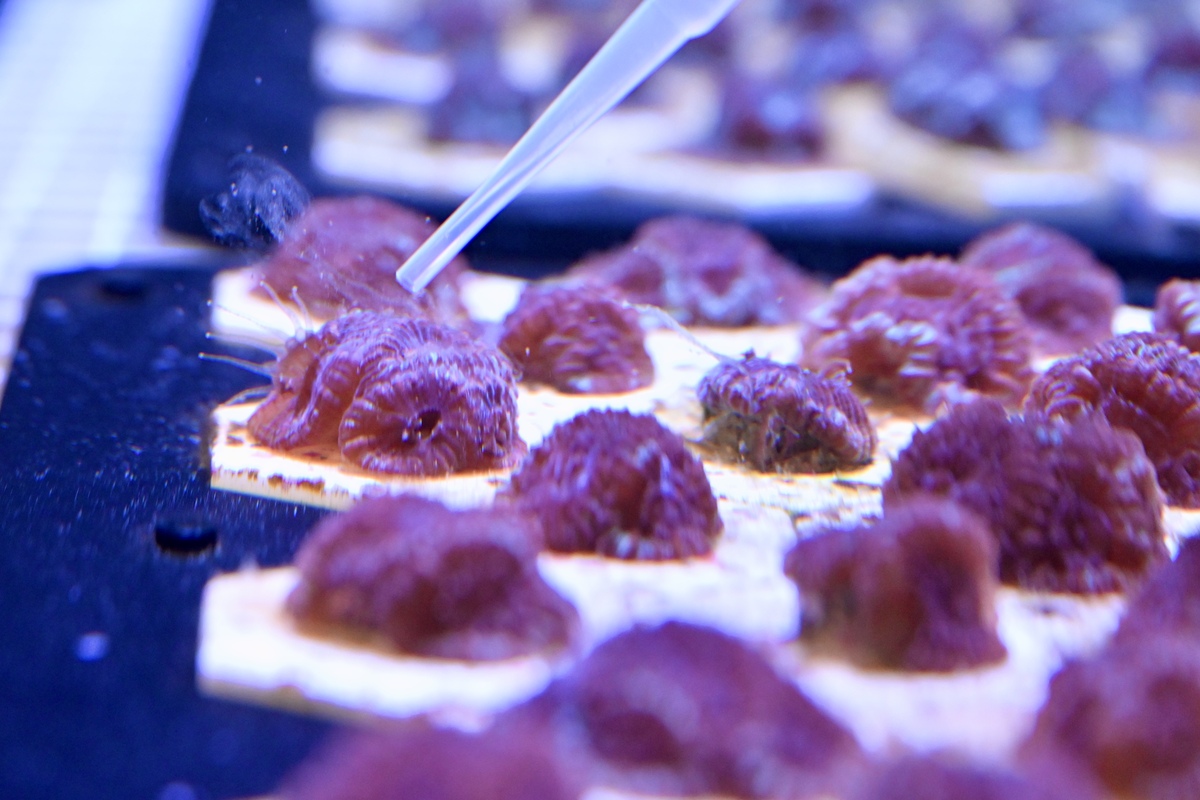
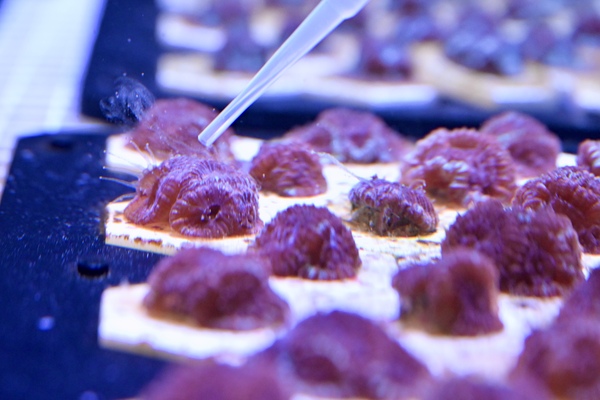
The Chinese University of Hong Kong collects coral fragments in Hong Kong waters and hands them over to Ocean Park for restoration.
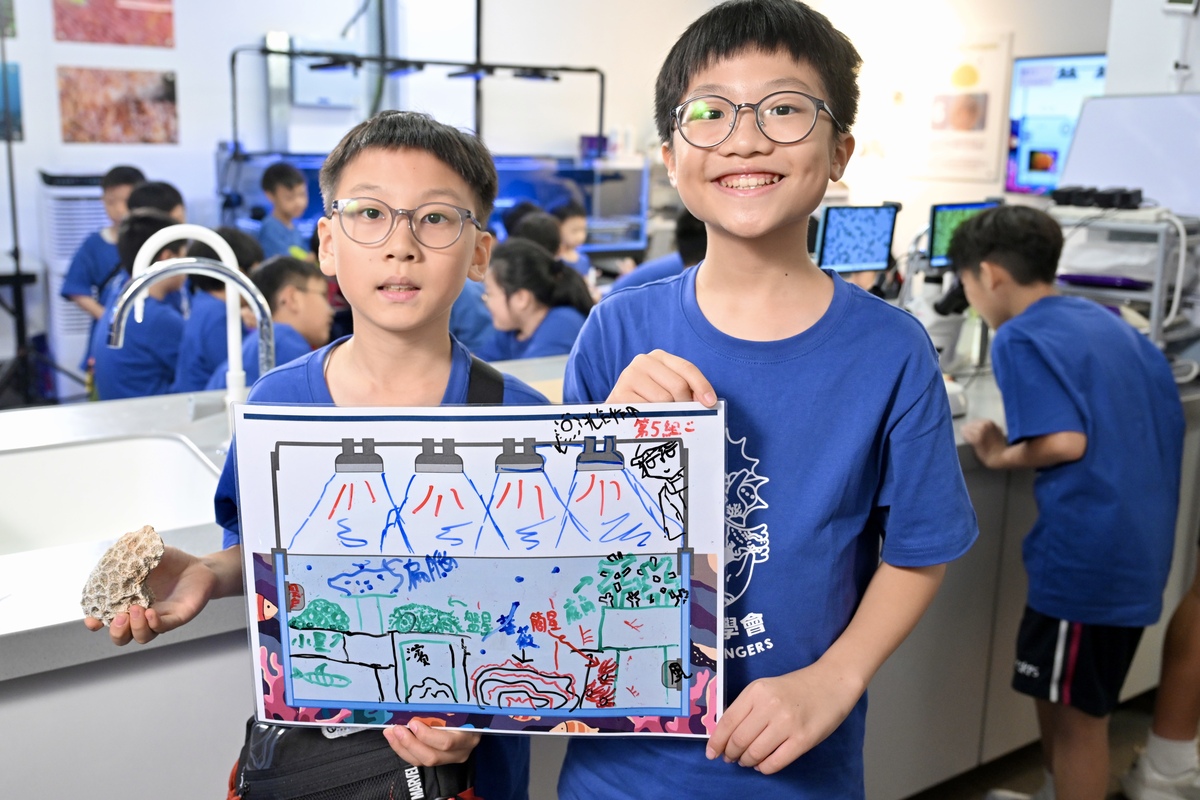
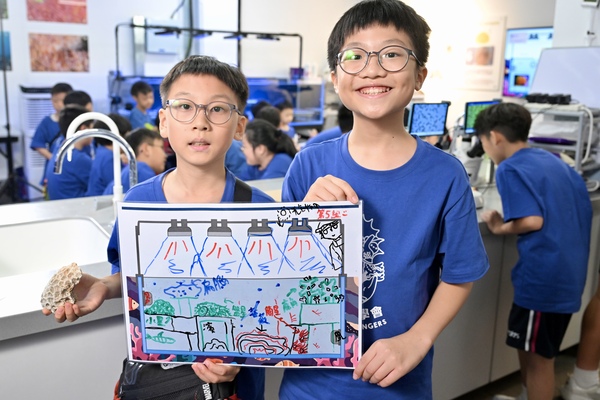
Jarvis Ng (left) and Jit So take part in a workshop to learn about different coral species and how cultivation tanks work.
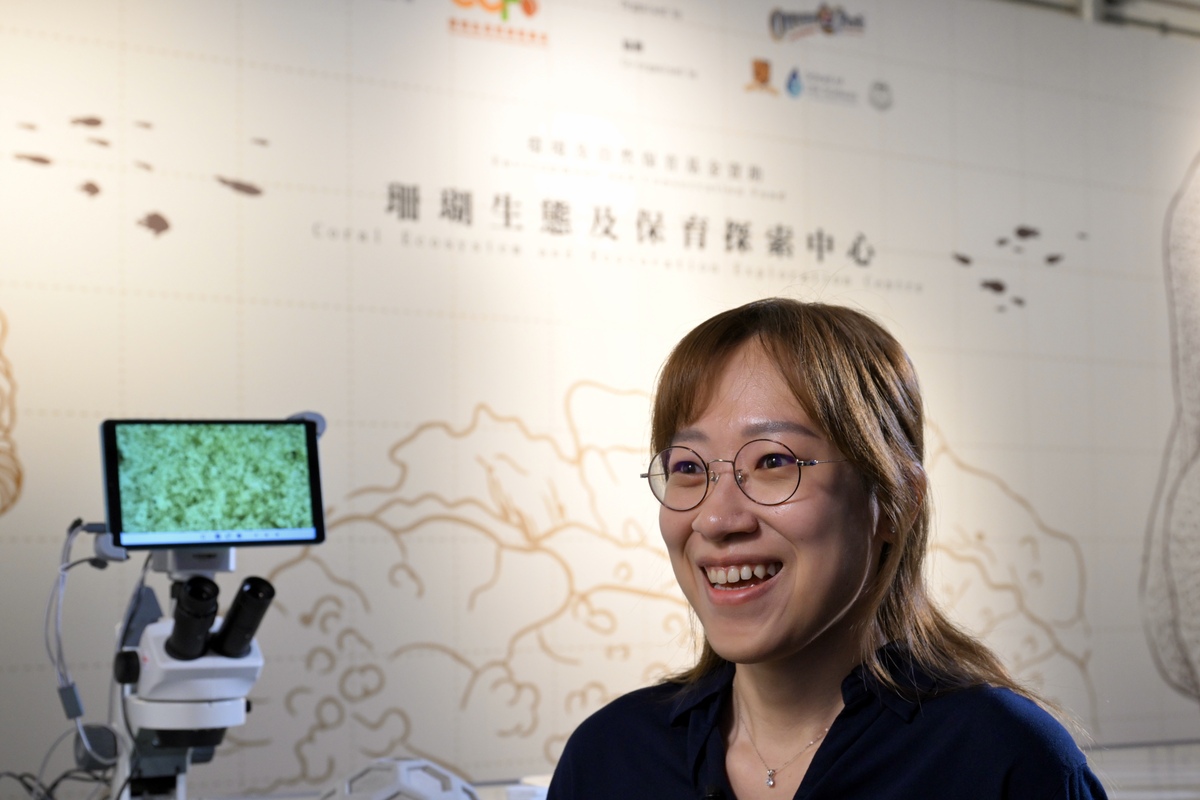
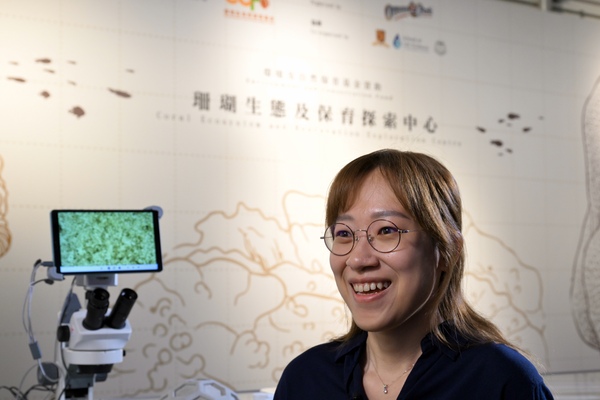
Ocean Park Lead Conservation Manager Ashley Kwok says cultivated, restored coral fragments will be transplanted back to Hong Kong waters to rebuild coral communities and enrich local marine ecology.
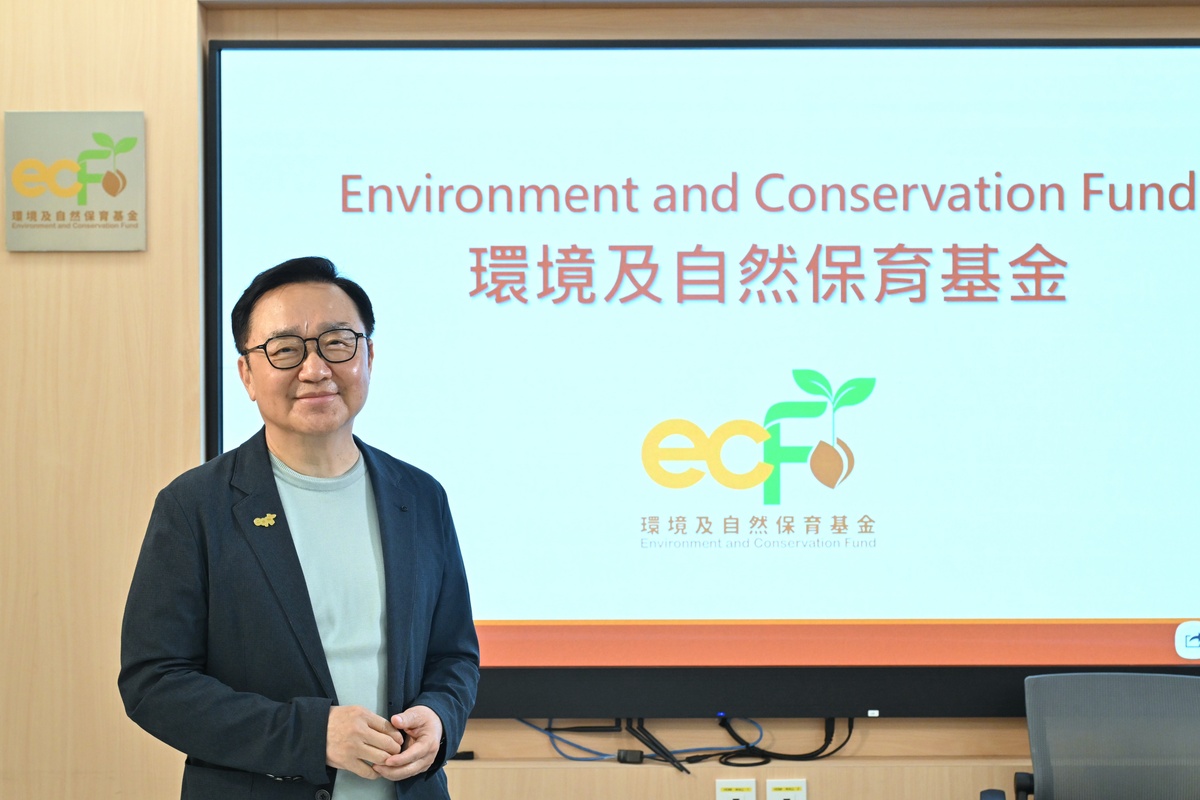
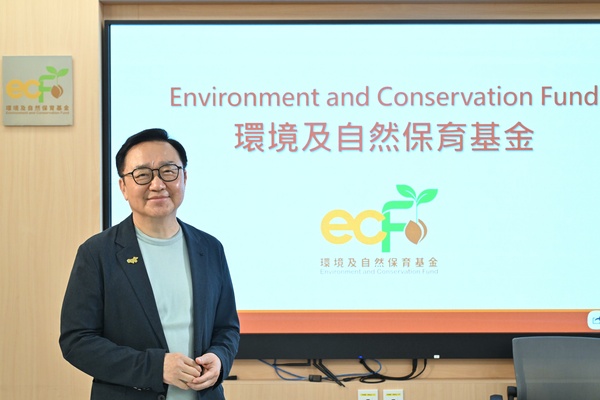
Environment & Conservation Fund Committee Chairman Eric Cheng says the fund has supported more than 7,200 environmental projects and activities since its establishment.
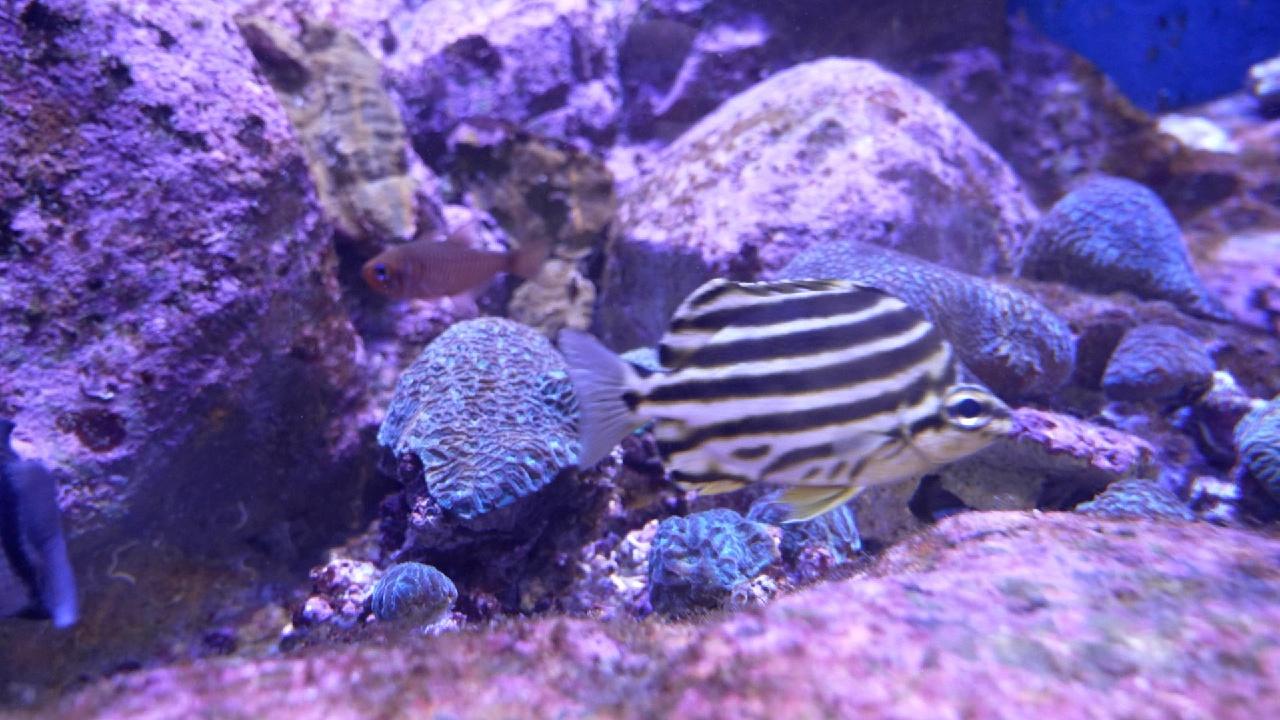
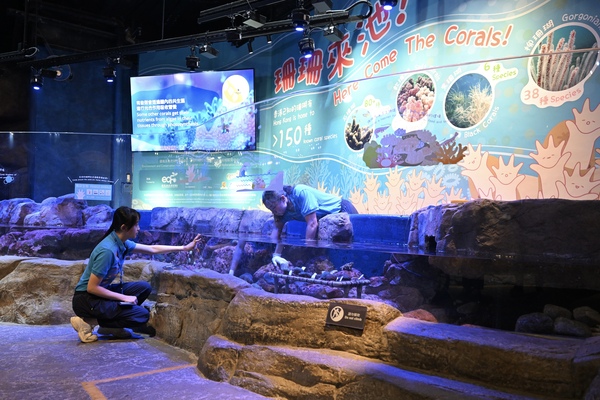
Every morning before opening, Ocean Park staff tend to the coral display near the entrance of the Grand Aquarium – brushing algae off coral fragments, moving them to better positions and feeding them with care.
These corals were formerly in the sea, where they faced threats such as bleaching, caused by higher ocean temperatures, and human activity. At Ocean Park they are being rehabilitated, and also serve as a living teaching aid for marine conservation.
The tanks are fitted with lighting and filtration systems specially designed for corals, and fish can be seen swimming inside. Accompanied by educational panels and videos, they draw visitors to linger and watch. From Wednesday to Friday at designated times, interactive guided sessions are provided on coral care, biodiversity and restoration work.
Coral conservation
Awarded a grant of more than $3.5 million from the Environment & Conservation Fund (ECF), Ocean Park launched the exhibition earlier this year. Showcasing 12 species of hard and soft corals found in Hong Kong waters, it has attracted more than a million visitors to date.
The funding also covered renovations to other facilities at the aquarium and the establishment of the Coral Ecology & Conservation Discovery Centre, now a key venue for coral rehabilitation and public education.
“This project combines coral conservation, public awareness and education,” said Ocean Park Lead Conservation Manager Ashley Kwok.
Ms Kwok explained that the park works closely with Chinese University of Hong Kong (CUHK) School of Life Sciences Assistant Professor Apple Chui and the Coral Academy founded by her. CUHK provides coral fragments collected in Hong Kong waters and professional advice on local coral cultivation, while Ocean Park provides the facilities to ensure quality care.
Immersive learning
The discovery centre, located in the back-of-house area of the Grand Aquarium, is equipped with professional coral care facilities and runs STEAM (science, technology, engineering, arts and mathematics) workshops and public guided tours.
On a recent visit, a group of primary school pupils took part in an on-site workshop, gaining an immersive introduction to coral restoration and other aspects of marine conservation.
“Are corals animals?” a coral care worker asked. The children eagerly raised their hands to answer “yes”, as they touched coral specimens under guidance and learned about what is needed to set up a cultivation tank.
Jit So, who is in Primary Six, drew a picture with his classmates showing how different coral species are placed in various positions in a tank according to their habits and requirements, which involve aspects such as shading needs and water flow strength, so that they can grow well.
Jarvis Ng, from Primary Four, said he had seen corals while snorkelling before but had not known previously that coral polyps live inside corals and feed on plankton. He also put on virtual reality glasses to glimpse a coral habitat, saying it really felt like being underwater.
Ocean Park says the workshops, launched just a month ago, have already engaged more than 100 pupils, while the guided visits have involved over 1,600 participants.
The park also plans to run a teacher training programme in the first half of next year so that primary school teachers can bring conservation knowledge back to the classroom.
Coral fragments that have been cultivated and restored to health will be transplanted back to southern Hong Kong waters to rebuild coral communities and enrich the marine ecology of restoration sites.
Green transition
ECF Committee Chairman Eric Cheng said the coral project showcases innovative local restoration techniques, promotes environmental awareness and encourages people to take action to protect the environment.
“When corals can live healthily, it also indirectly proves that Hong Kong has excellent water quality and that the natural environment is well protected,” he remarked.
Mr Cheng outlined that the ECF has funded more than 7,200 environmental projects and activities over its 32-year history, disbursing a total of over $4.7 billion in funding. He added that many of the projects are closely related to people’s daily lives, covering areas such as waste reduction at source, recycling, biodiversity, carbon neutrality, low-carbon living, clean shorelines and clean air.
Citing food waste pre-treatment system projects as an example, he said the ECF had approved about $73 million as of September to fund about 25 premises, including private housing estates and universities, in adopting the locally developed “Food TranSmarter” system.
The technology converts food waste into slurry, which is then sealed and sent to government central treatment facilities, reducing door-to-door collections to once or twice a week and significantly lowering carbon emissions and total costs. The projects also encourage different sectors to actively participate in food waste recycling.
Mr Cheng remarked that in future the ECF will steer its approvals towards local and national green transition initiatives, in particular the Hong Kong Climate Action Plan 2050 and the development of the Northern Metropolis. He said the ECF fully supports the Government’s policy direction and welcomes applications from eligible local organisations for funding related to environmental protection and nature conservation.