Lab advances Chinese medicine tests
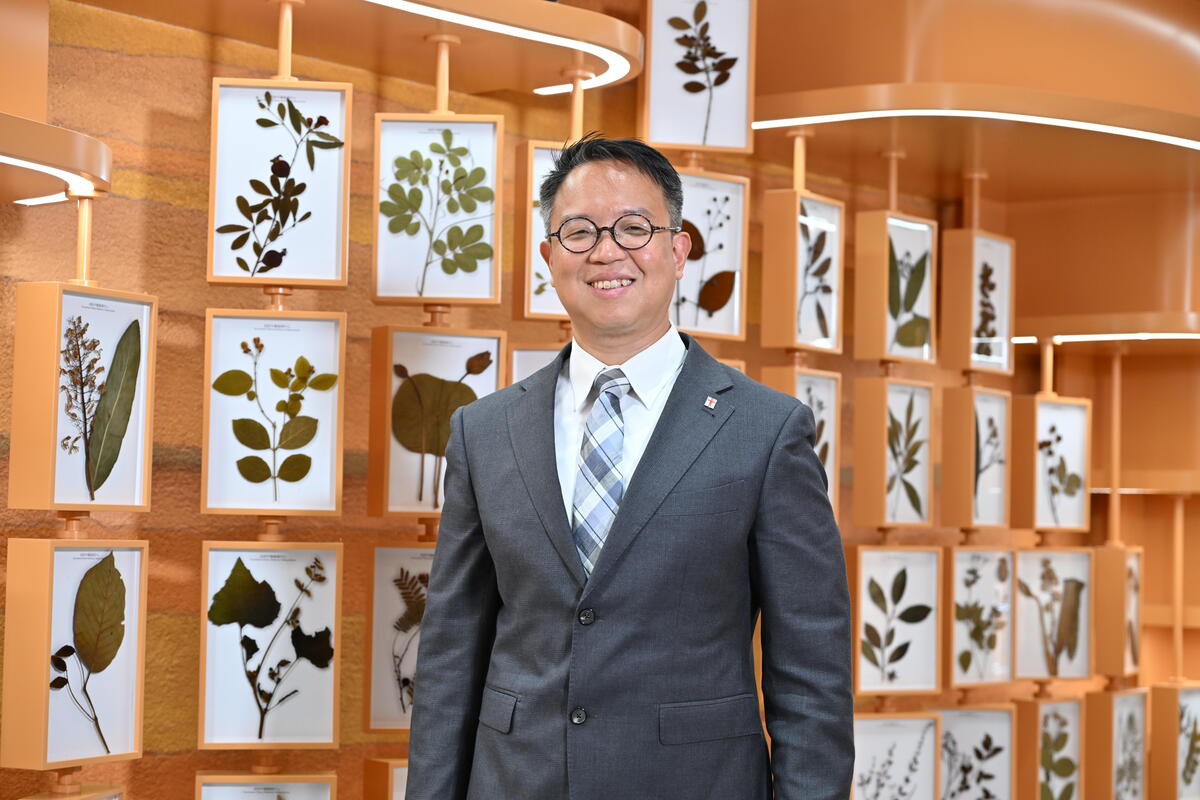
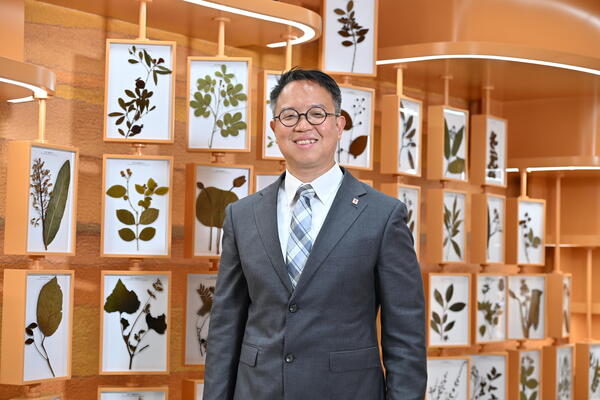
Assistant Director of Health (Chinese Medicine) Dr Darwin Mak says the institute’s four advanced laboratories have significantly enhanced its research and development capabilities.
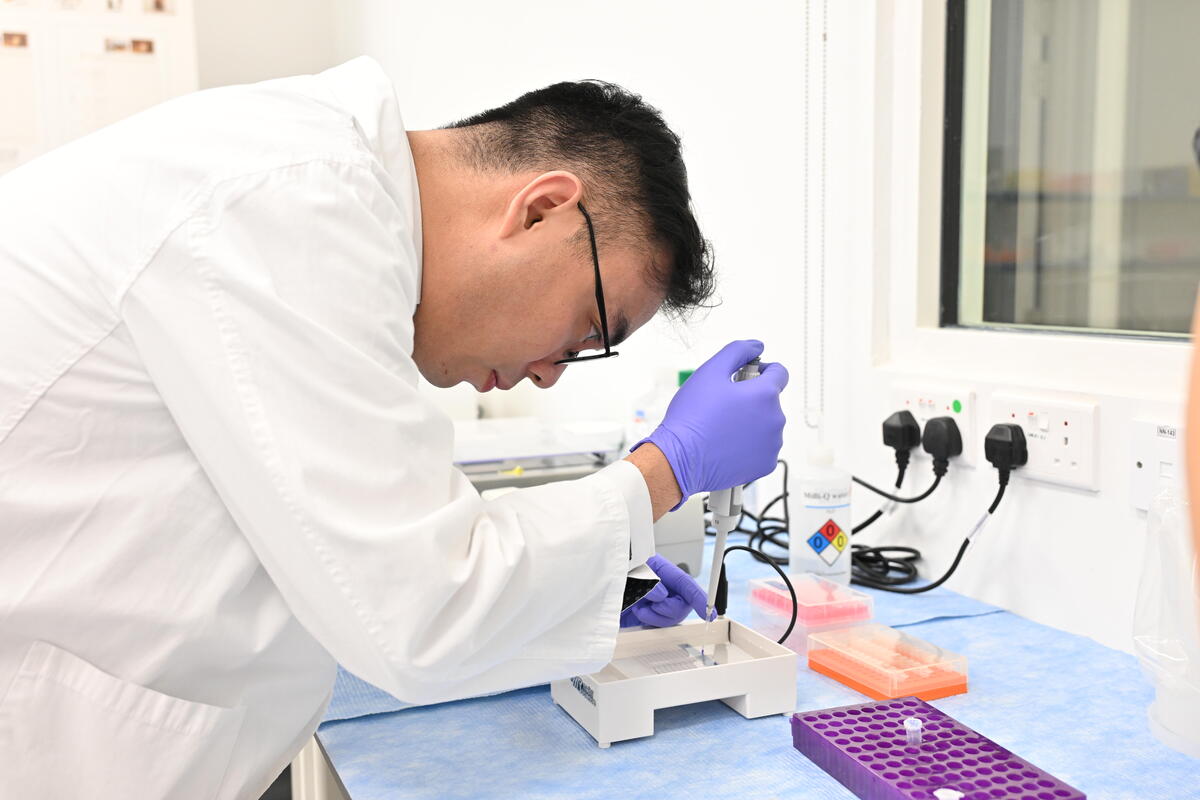
A rapid DNA detection method developed by the institute drastically reduces the time needed to authenticate whether Lu Rong slices originate from genuine sources.
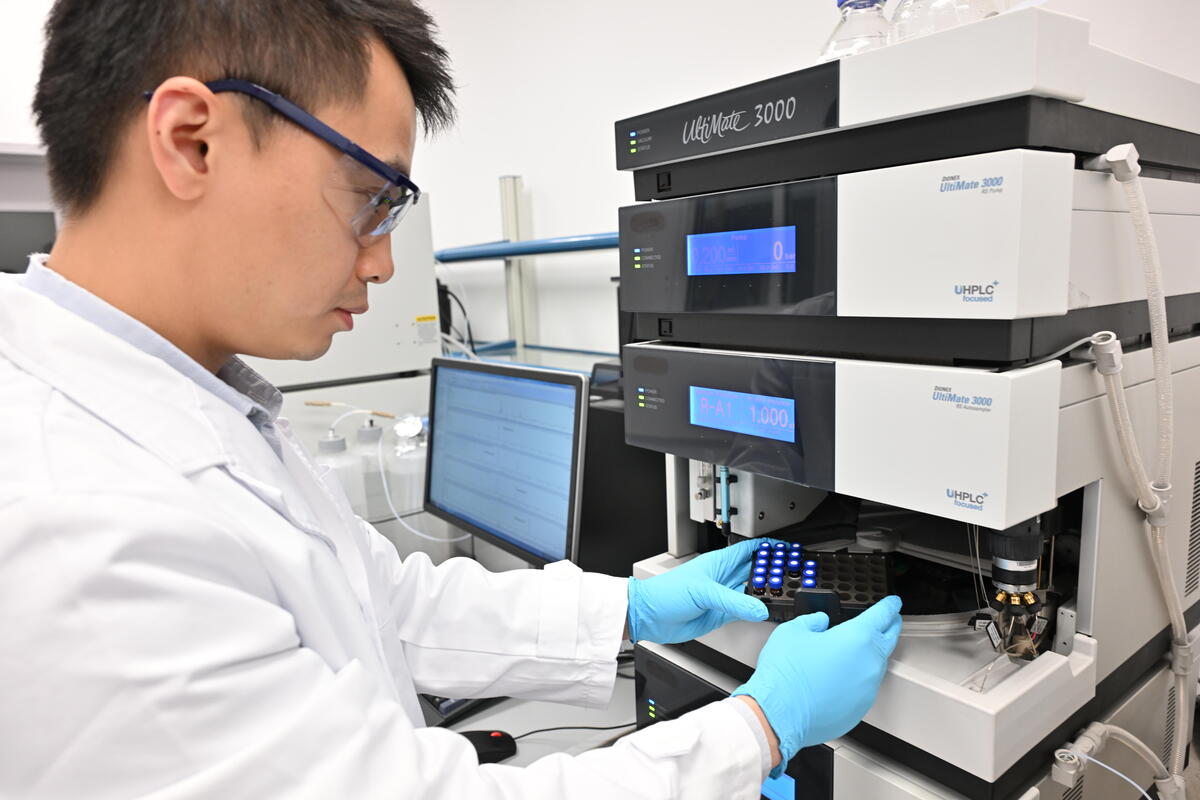
A protocol developed by the institute for chemical analysis of compound Chinese medicine granules enables simultaneous assessment of multiple formulations.
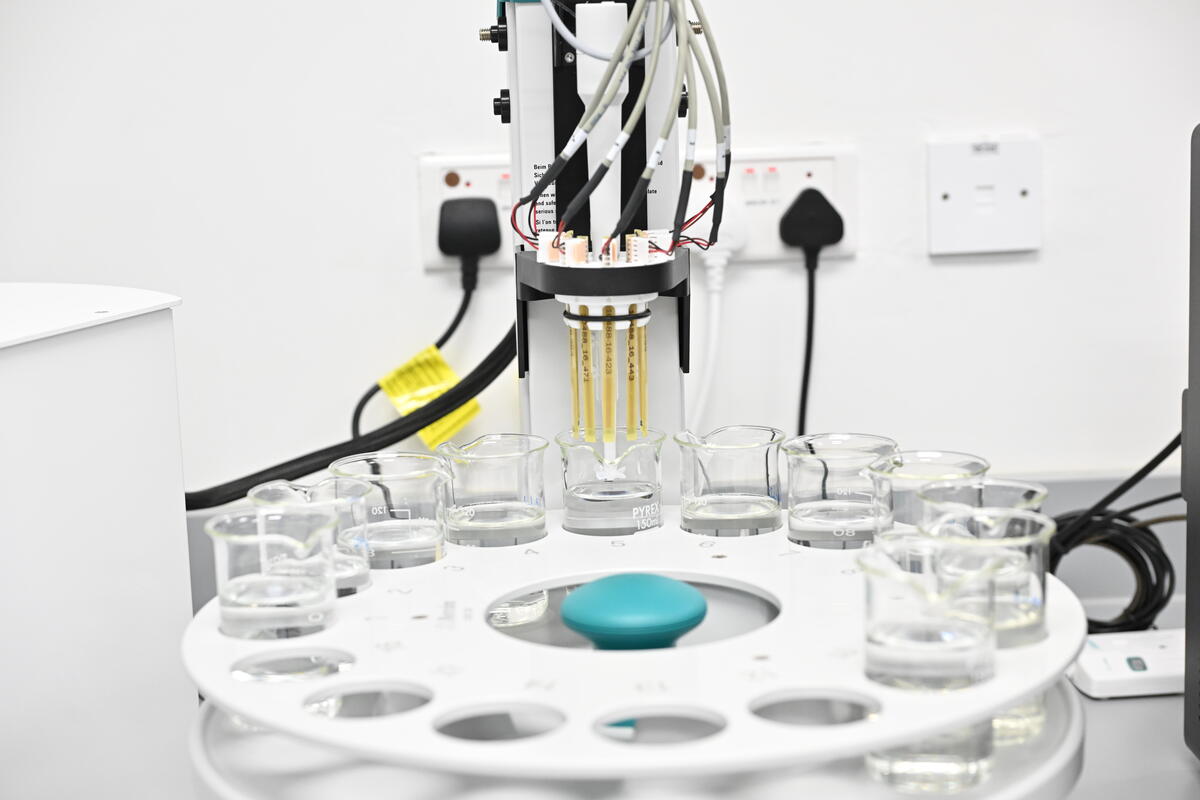
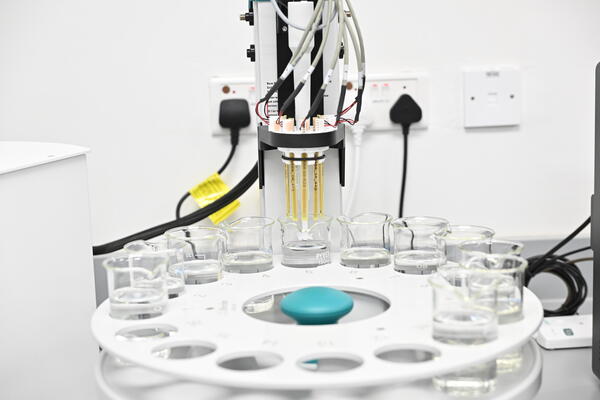
A pilot project involving the institute’s “electronic tongue” sensory analysis system explores digitising the taste of Chinese medicines in a database.
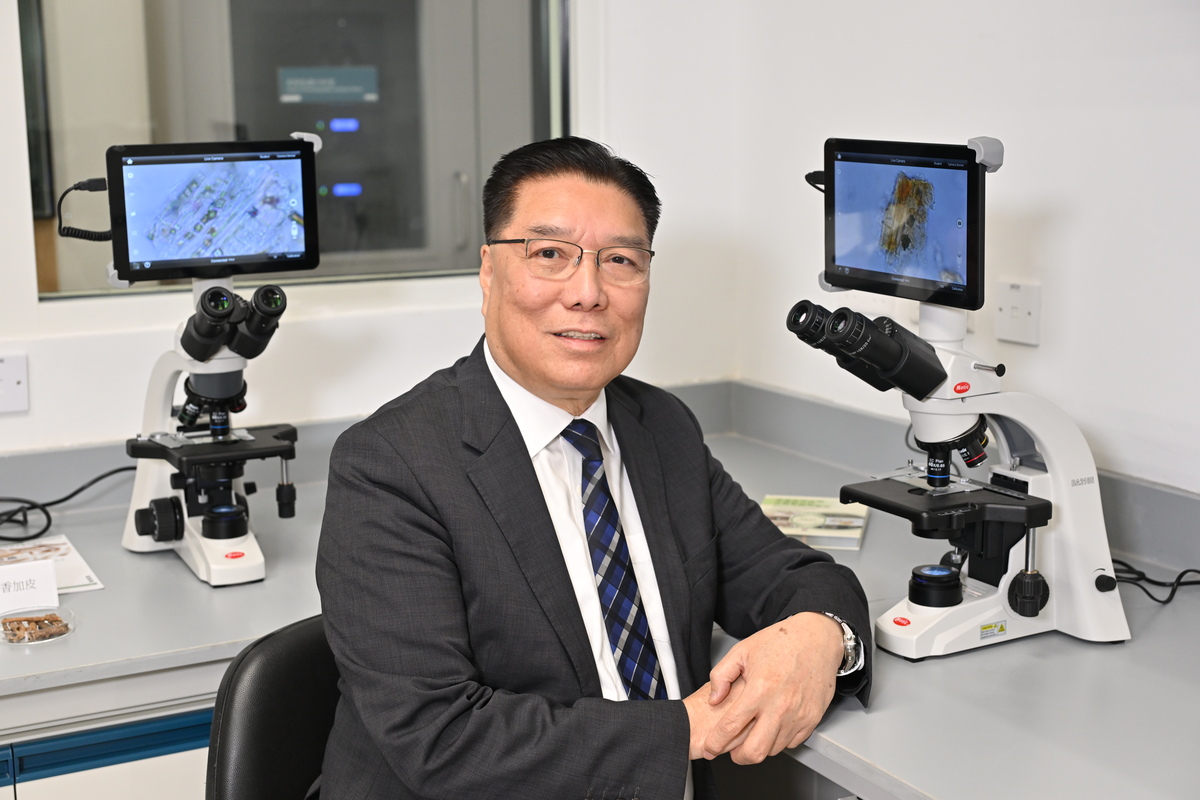
Federation of the Hong Kong Chinese Medicine Practitioners & Chinese Medicine Traders Association President Tommy Li says technology transfers to testing companies are of huge benefit to Chinese medicine firms that do not have their own labs.
Lu Rong, or velvet antler, is a highly valued Chinese medicinal material. According to the Chinese Pharmacopoeia, only the antlers of Sika deer or Red deer are classified as authentic, while those from other species are considered “adulterants”. However, verifying the authenticity of Lu Rong slices through traditional DNA testing methods is both complex and time-consuming.
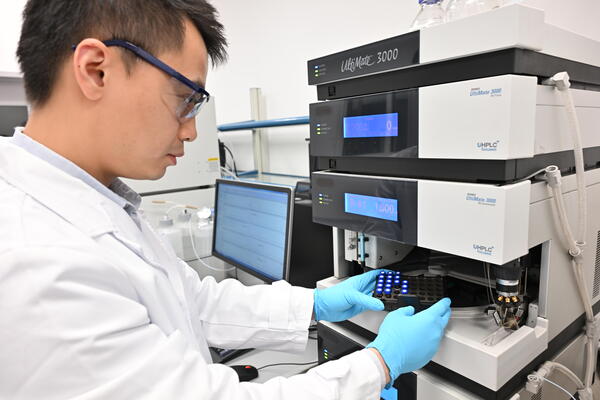
The Department of Health’s Government Chinese Medicines Testing Institute (GCMTI) is dedicated to developing efficient testing methods involving advanced equipment and innovative technology. Since its establishment in 2017, it has completed 22 thematic research projects, including a rapid DNA detection method that authenticates genuine Lu Rong slices.
Rapid testing
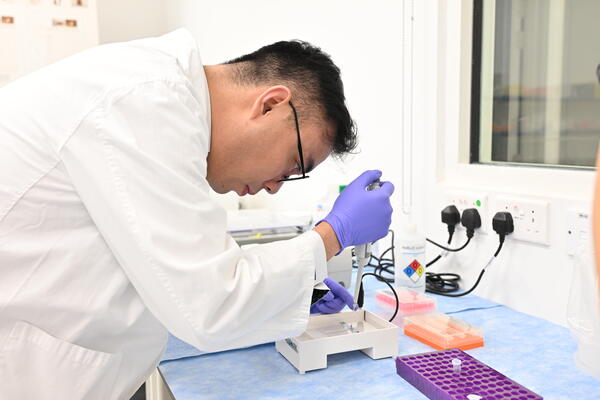
Under this method, laboratory staff add an extraction solution to powdered Lu Rong samples to replicate and amplify the DNA within the samples. Following specific processing steps, authentic samples glow orange under ultraviolet light. The method slashes the testing procedure from three days to less than a day.
Assistant Director of Health (Chinese Medicine) Dr Darwin Mak said the method developed by the institute reduces both time and costs, helping to boost quality control and efficiency.
In response to the growing popularity of compound Chinese medicine granules in recent years, the institute has also developed a more efficient chemical marker analysis. Dr Mak explained that compound Chinese medicine granules contain multiple Chinese medicines, each of which previously required separate quality tests. The institute’s versatile chemical analysis protocol enables simultaneous assessment of multiple chemical markers across various formulations.
Taste digitisation
The GCMTI’s permanent building in Tseung Kwan O began operating in phases from late last year. Spanning a total floor area of approximately 27,000 sq m, the facility greatly boosts the institute’s research and development (R&D) capabilities.
Dr Mak outlined that the institute’s four advanced laboratories are fitted with highly advanced equipment, including an electronic sensory analysis system commonly known as the "electronic tongue". A pilot project has been launched, using this system, to digitise the taste of Chinese medicines in a database, allowing for the development of identification techniques based on taste data.
Industry benefits
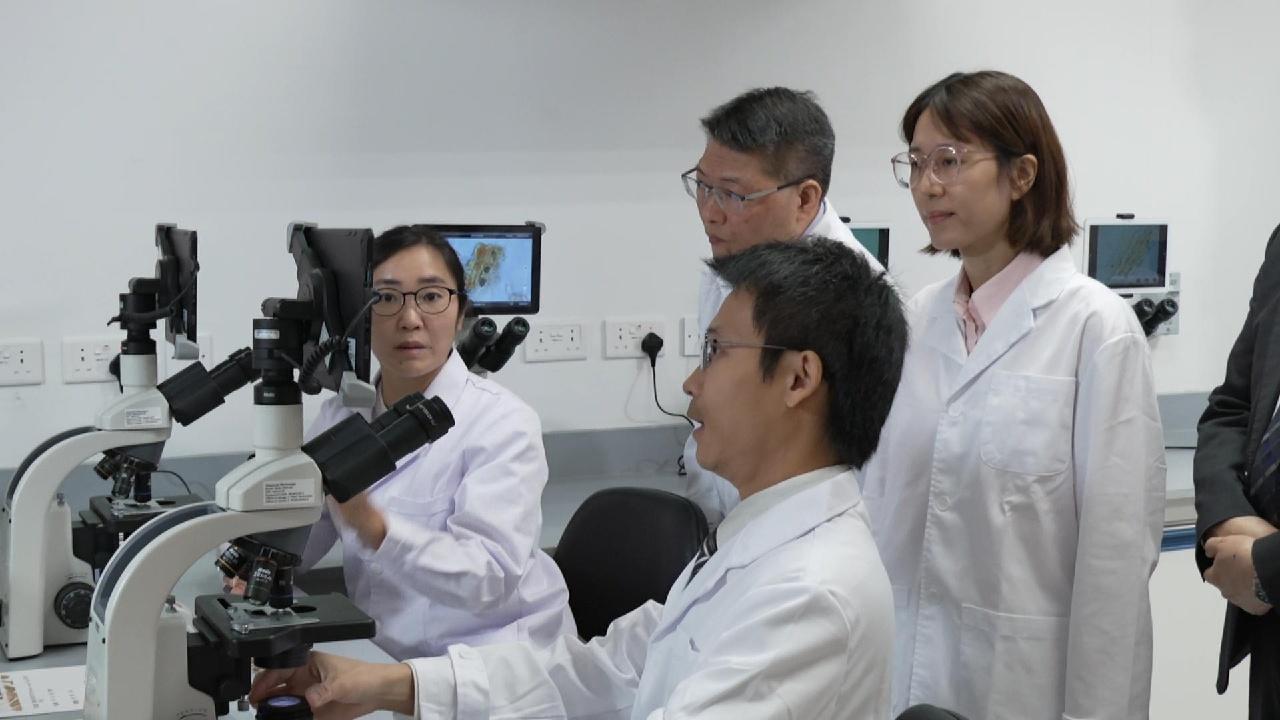
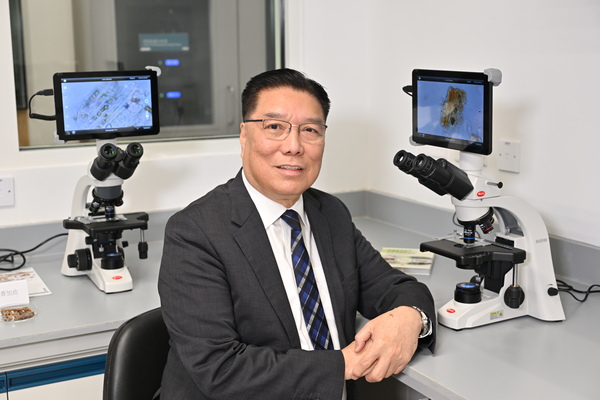
In addition to R&D, technology transfer remains a core mission for the GCMTI. The institute regularly organises seminars for Chinese medicine's testing and certification sectors, and arranges laboratory visits for industry representatives to observe and learn firsthand about various testing technologies – including a new simplified method of identifying herbal powders under a microscope.
Federation of the Hong Kong Chinese Medicine Practitioners & Chinese Medicine Traders Association President Tommy Li said that relying solely on experience or appearance can lead to confusion when authenticating herbs. Through microscopic identification, the industry can determine the authenticity of Chinese medicines more effectively, saving considerable time and money.
Mr Li added that testing companies routinely adopt technologies developed by the GCMTI. As Chinese medicine enterprises without their own laboratories tend to outsource test reports to these companies, the institute’s work benefits the industry as a whole.