Firefighters upgrade gear and training
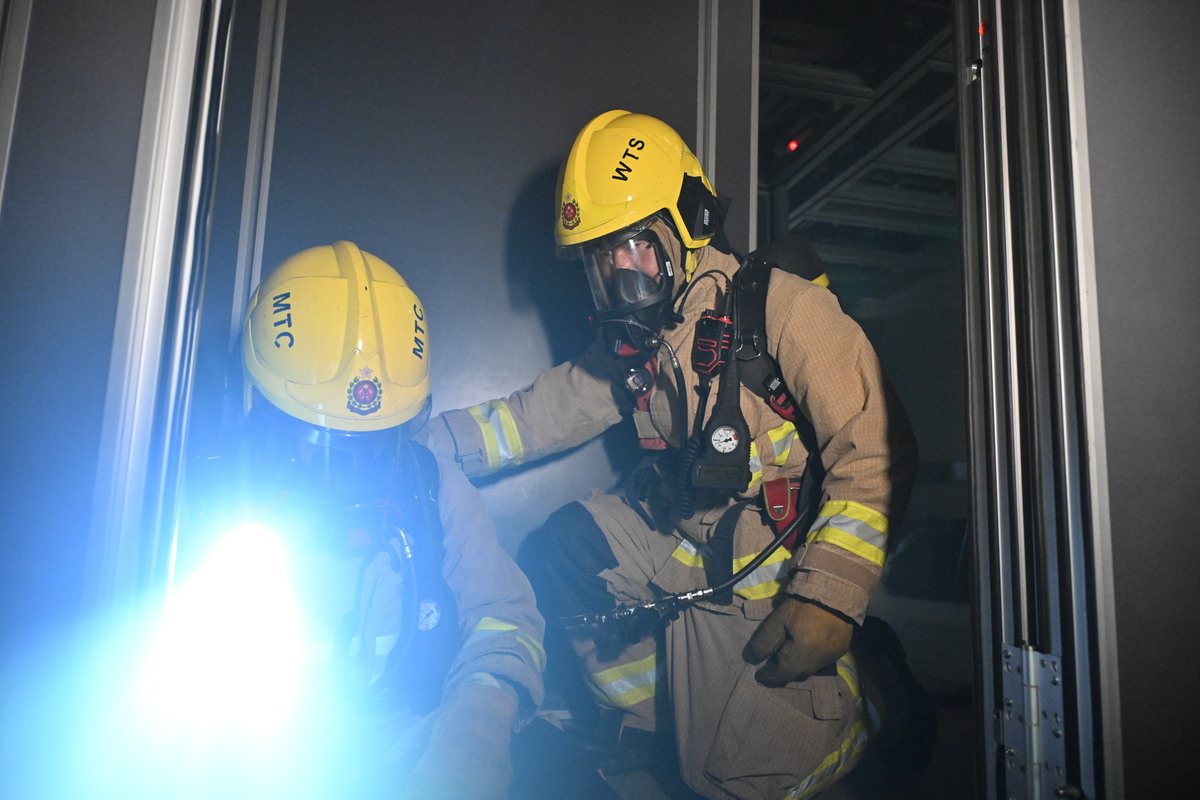
The Fire Services Department has upgraded breathing apparatus with air-sharing, improved communication and faster cylinder swaps.
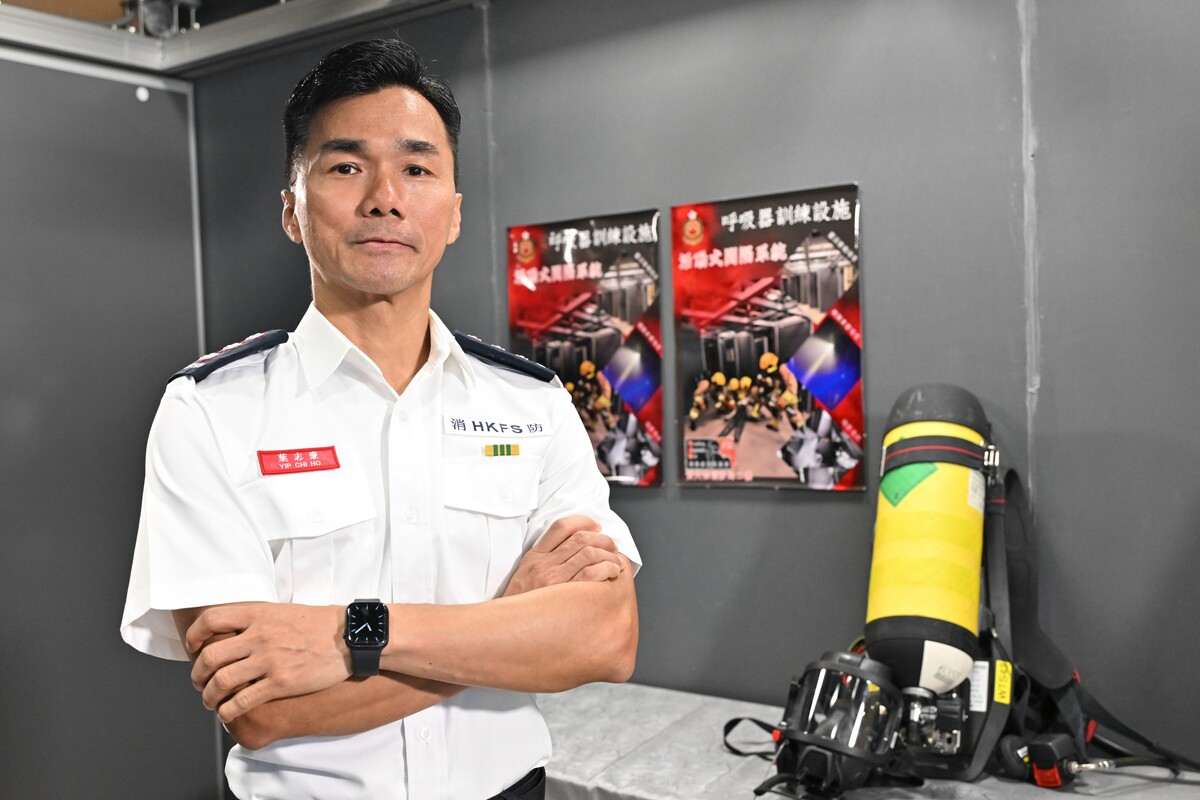
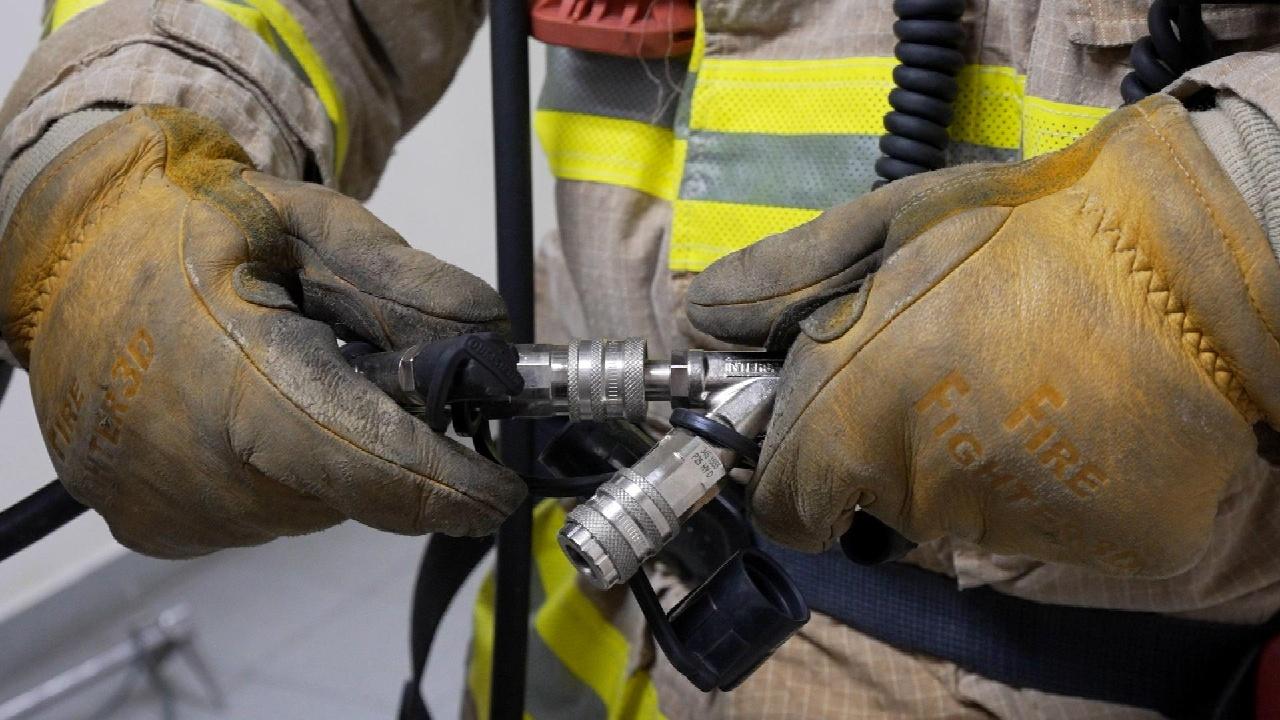
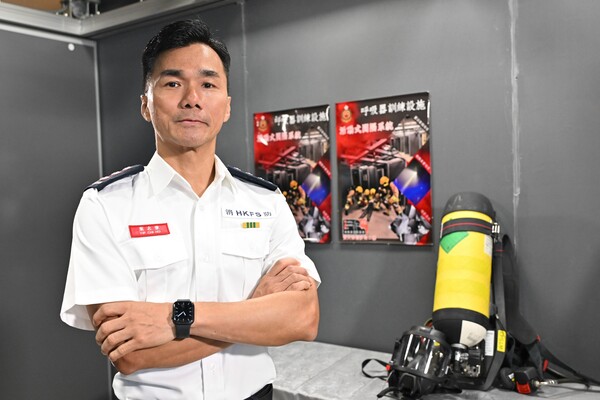
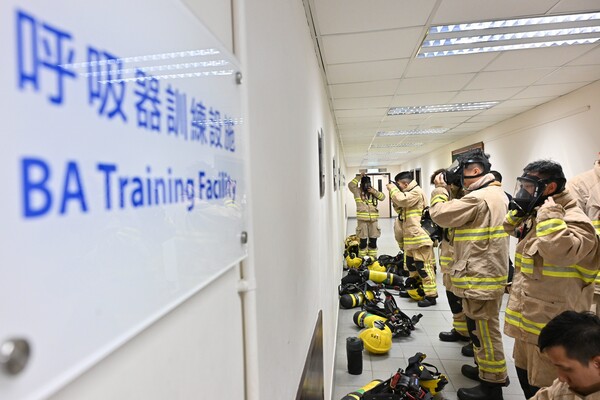
Fire Services Department Assistant Divisional Officer (Breathing Apparatus) Yip Chi-ho highlights how the new breathing apparatus allows firefighters to share air via a quick-connect coupling.
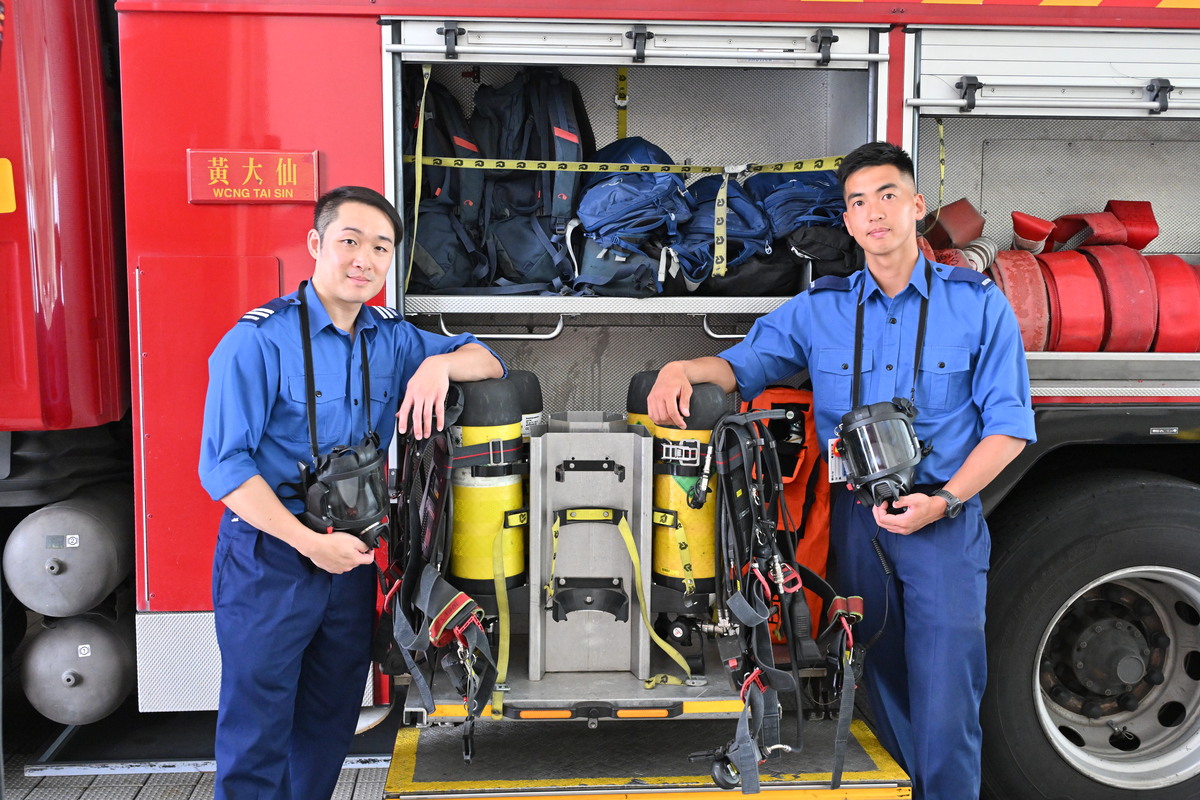
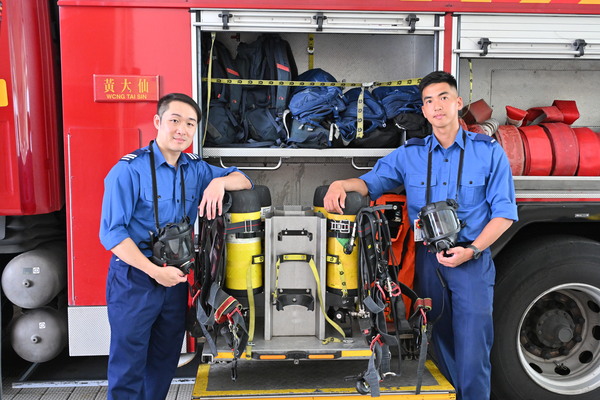
Senior Fireman Wesley Chiu (left) and Fireman Leung Hoi-tik commend the new breathing apparatus for its simplified maintenance.
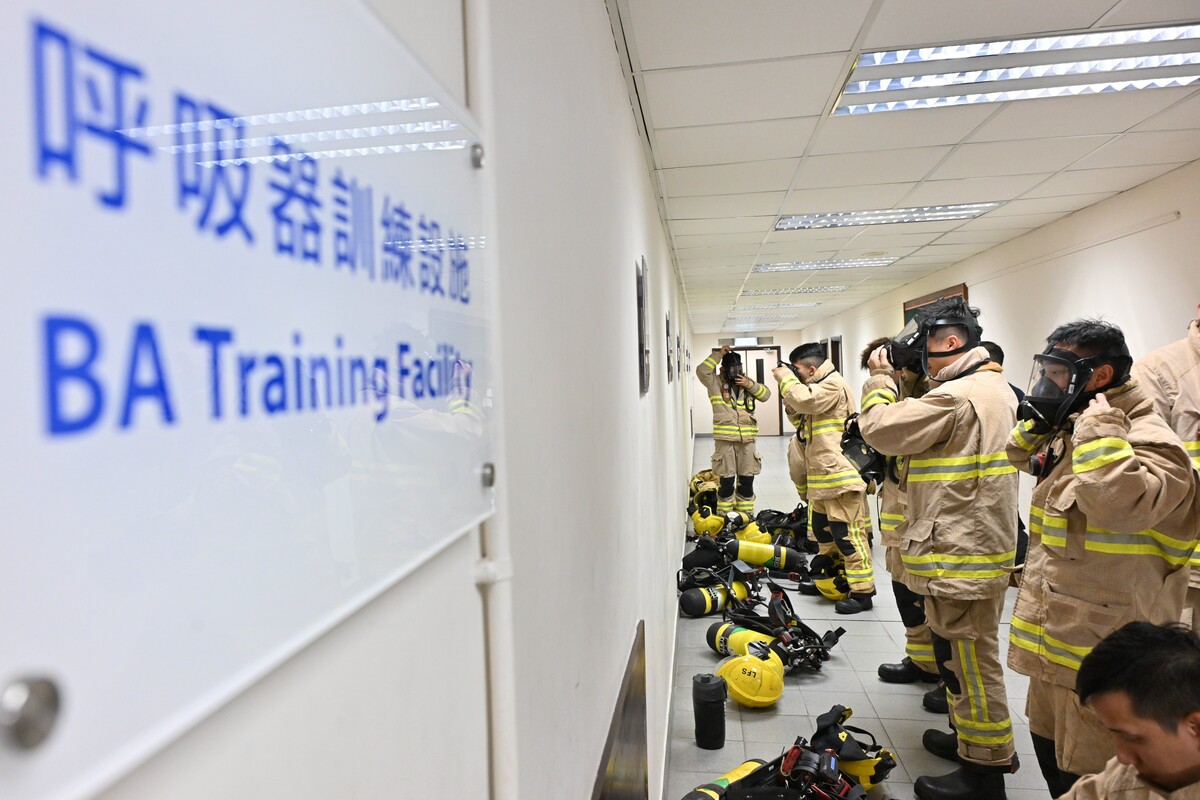
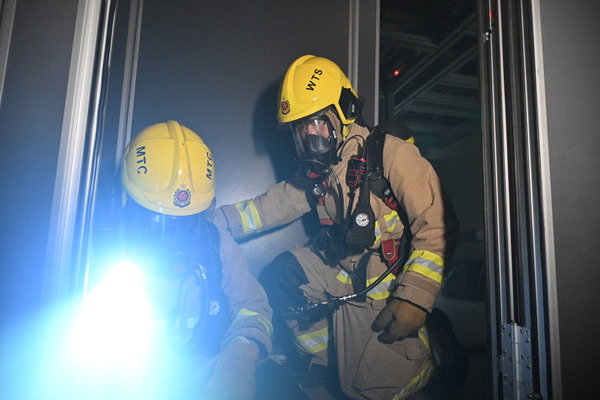
The Breathing Apparatus Training Facility uses an operable partition system to simulate diverse emergency scenarios, creating a realistic sense of operational pressure.
A new generation of breathing apparatus has hit the frontlines of Hong Kong’s fire services, marking a significant technological leap designed to withstand the increasingly volatile conditions of modern fire scenes.
Firefighters from stations across the city recently gathered for a live simulation drill, testing equipment with comprehensive upgrades. The new gear aims to boost operational efficiency while providing enhanced safeguards for crews in the line of duty.
Navigation lifeline
Fire Services Department Assistant Divisional Officer (Breathing Apparatus) Yip Chi-ho highlighted how the gear upgrade directly addresses the most hostile environments faced by frontline crews.
"Thick smoke is a great threat at a fire scene because the carbon monoxide and toxic gases inside can be lethal," Mr Yip said. "That is why firefighters must wear breathing apparatus when entering a fire scene."
The department has introduced an Emergency Breathing Safety System to protect frontline crews when air supplies run dangerously low during rescue operations.
The system features a dedicated hose with a quick-connect fitting, allowing firefighters to share air with a colleague in distress. By simply connecting the two hoses, the system instantly diverts and supplies air to both users simultaneously, facilitating a safer, joint evacuation.
Pressure-proof communication
The new masks feature an integrated team communication device, a hands-free system designed to provide clear audio, even in the loudest environments.
Senior Fireman Wesley Chiu described how the new design transforms frontline operations compared to older gear. "The team communication device has a built-in microphone and earphone inside the face mask," he said.
"We can speak directly through the inner mask and hear clearly, even with the mask on. There is also a full duplex so that everyone can talk at the same time and still hear each other perfectly, just like face-to-face conversation."
Rapid sanitisation
Time is the most critical resource on the front lines. The upgraded model features a simplified quick-connect coupling, slashing the time required to change an air cylinder. A procedure that previously took about 1.5 minutes, can now be completed in under 10 seconds.
Beyond operational speed, the department is safeguarding the long-term health of its crews by prioritising hygiene. The new shoulder straps and waist belts are crafted from non-textile materials that do not absorb water or fire contaminants, meaning the gear can be cleaned more easily.
Adaptive training
The evolution of the service extends beyond the equipment itself. The department has also overhauled its training facilities, moving away from fixed layouts. New operable partition systems allow for rapidly reconfigurable spaces, enabling instructors to simulate a wider variety of environments.
Fireman Leung Hoi-tik noted the importance of this shift.
"The biggest advantage is to create a truly unknown training environment. Previously, the layout was fixed, so we got used to it after repeated drills " he said.
The new facility can simulate residential units, mini-storage facilities, subdivided flats and industrial buildings.
"Closely reflecting real fire scenes, tying in with drills using different equipment and search and rescue modes, it greatly enhances our adaptability and psychological resilience," Mr Leung added.
Following the successful deployment of the operable partition system at Wong Tai Sin Fire Station, a similar training facility has now officially launched at Pok Fu Lam Fire Station. With three further facilities scheduled for completion, the roll-out underscores a commitment to bolstering the capabilities of frontline firefighters across Hong Kong.