Building smarter, faster in Hong Kong
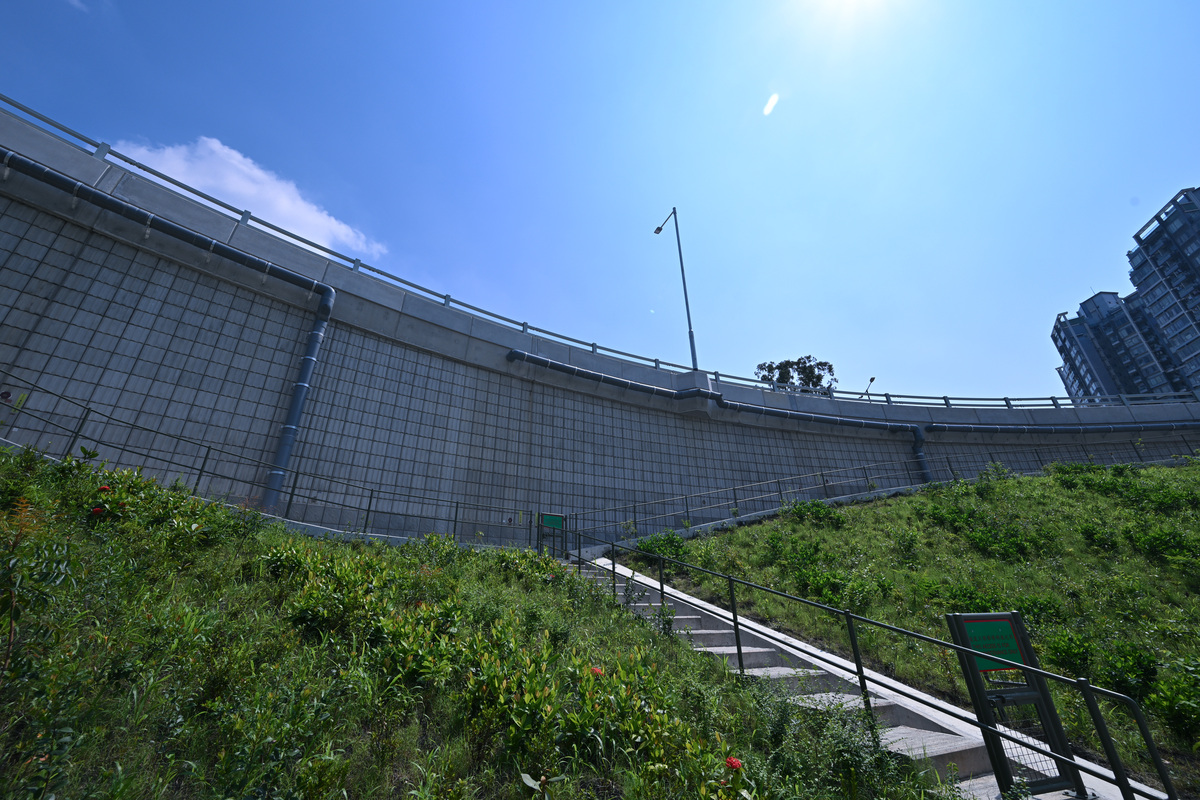
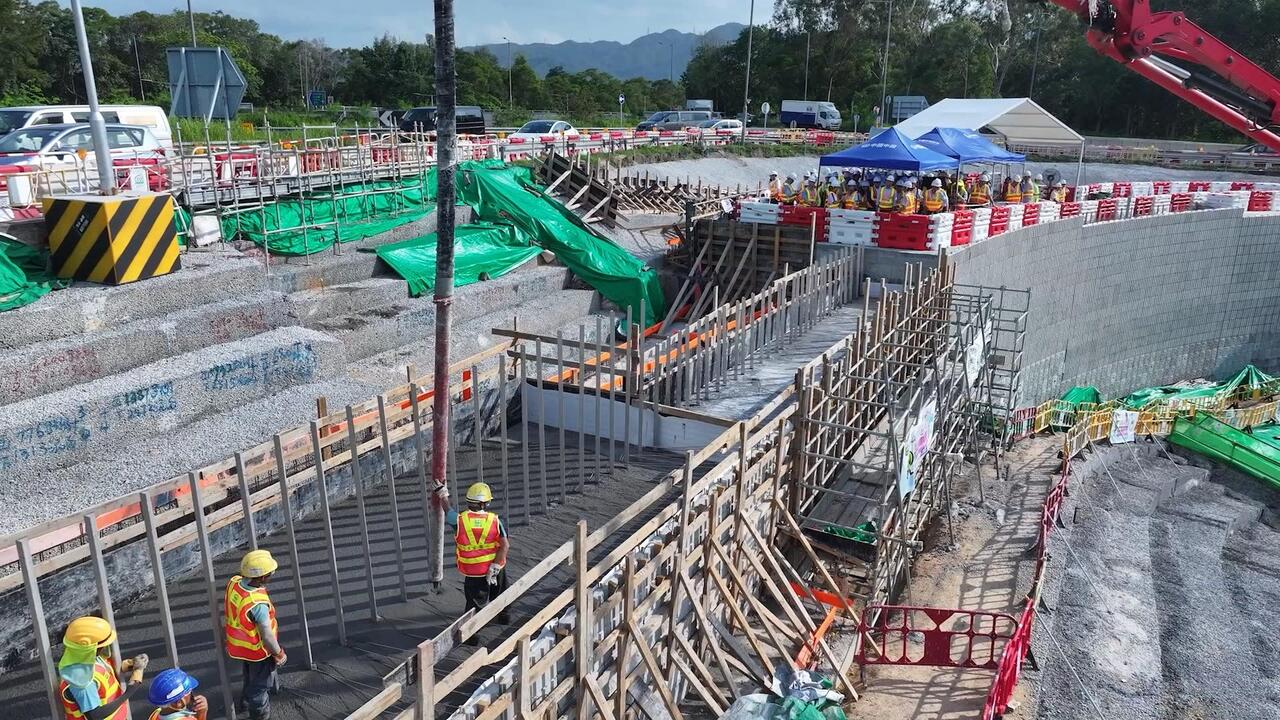
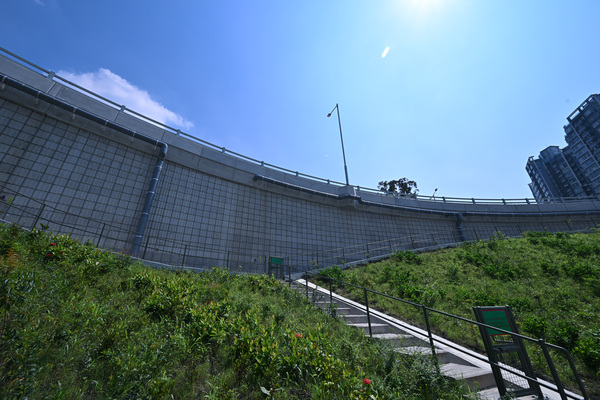
An embankment at Yuen Long’s Shap Pat Heung Interchange marks Hong Kong’s first roadwork project to deploy locally developed Low Density Engineered Cementitious Composites (LD-ECC).

LD-ECC combines low density and high compressive strength with self-healing micro-crack properties and enhanced fatigue resistance.
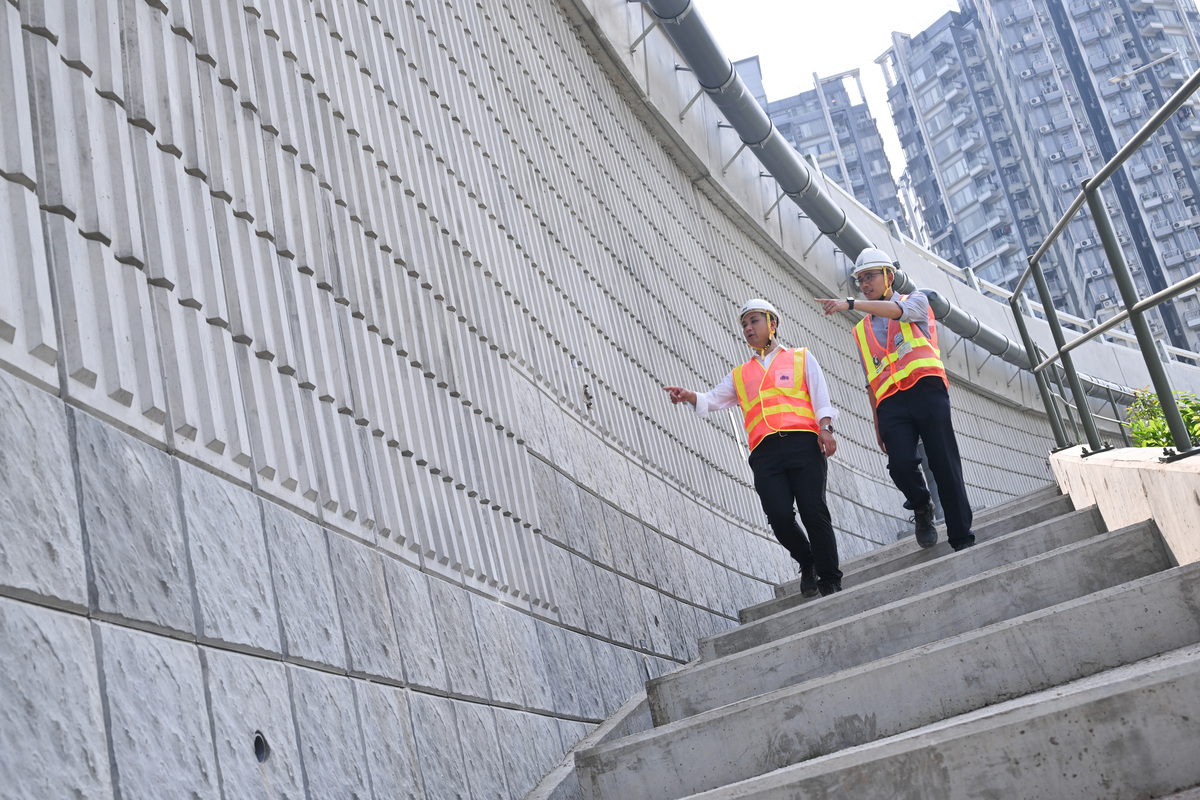
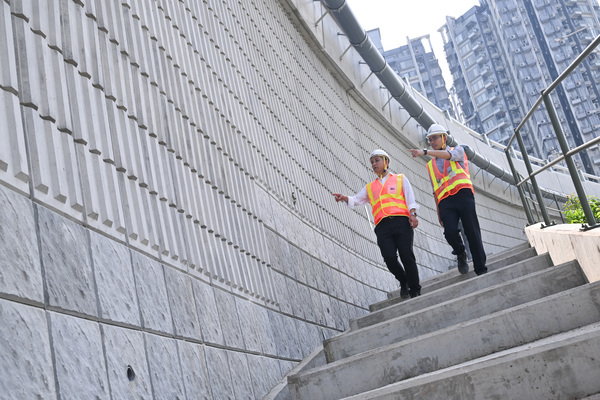
Civil Engineering & Development Department Engineer Derrick Kwok (right) says that the new construction method cut project time by 50% and reduced direct building costs by 20%.
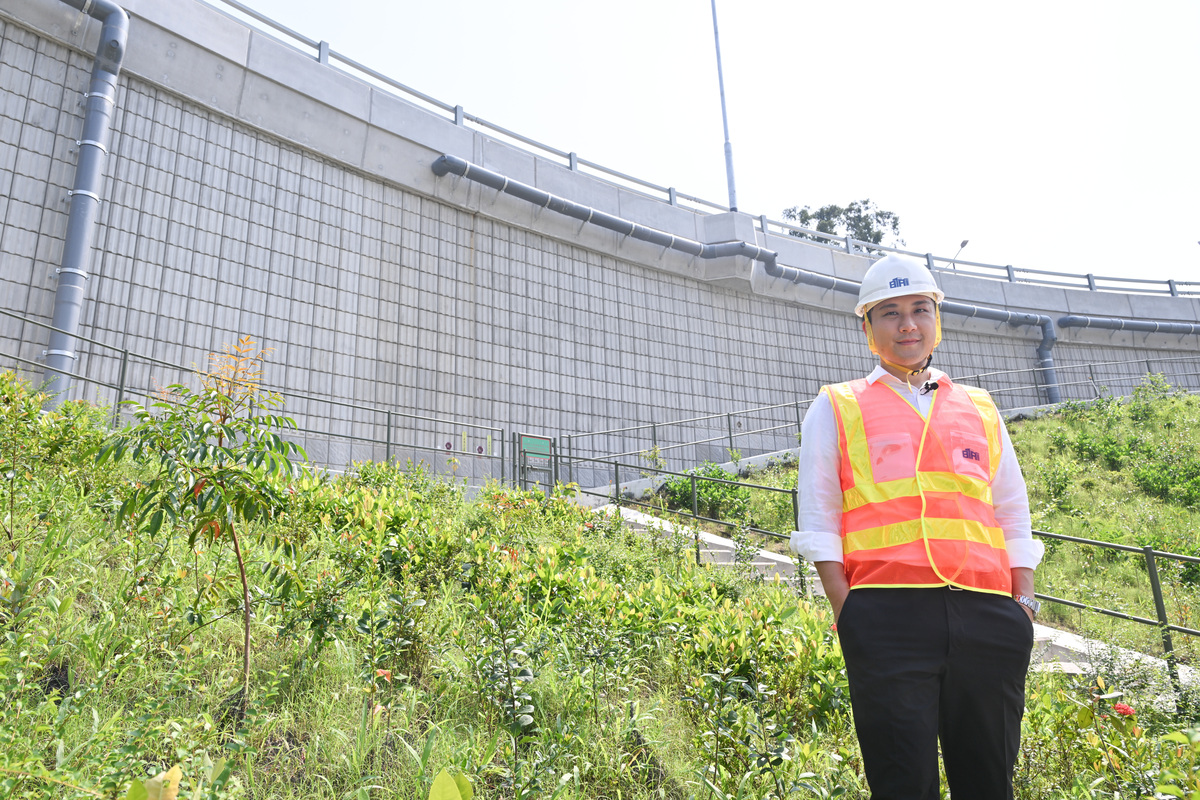
Building Technology Research Institute (BTRi) Deputy Section Head (Standards Advancement) Edwin Tang says the LD-ECC technical guidelines, targeted for release in the second quarter of 2027, will serve as an important reference for future civil engineering projects.
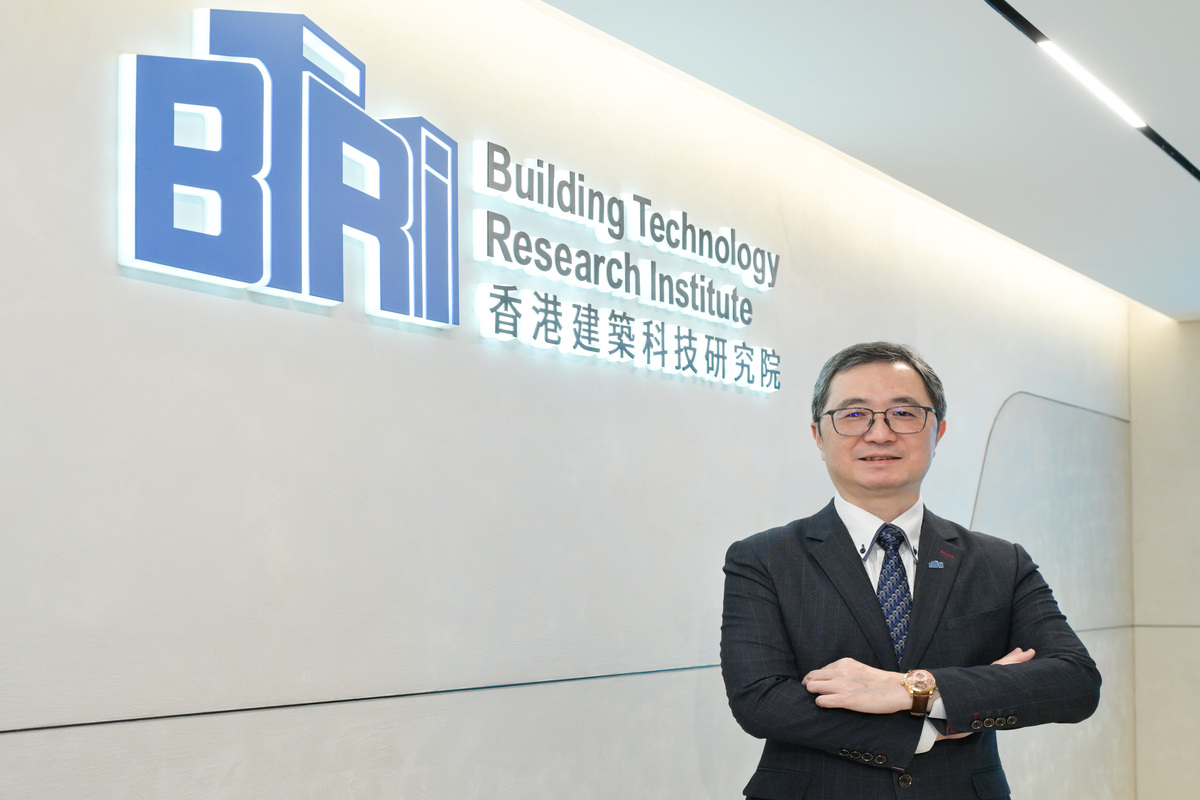
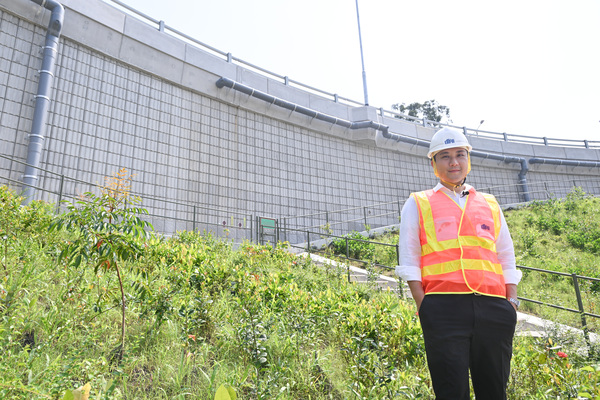
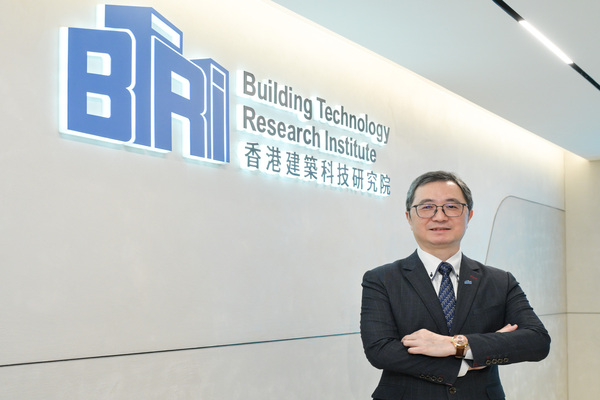
BTRi Chief Executive Officer Alfred Wong notes that the BTRi has undertaken over 45 innovative initiatives, which are projected to save the construction industry $3.1 billion annually.

Facing a chronic labour shortage and soaring construction costs, Hong Kong’s infrastructure sector is turning to advanced materials, technical innovation and standardised quality assurance to speed up constructions works.
Leading this effort is the Building Technology Research Institute (BTRi), established in August 2024 and wholly owned by the Financial Secretary Incorporated. Since its inception, the BTRi has advanced more than 45 innovative initiatives to modernise local practices towards high-efficiency development.
Pioneering concrete
An embankment at Yuen Long’s Shap Pat Heung Interchange has become Hong Kong’s first roadwork project to deploy Low Density Engineered Cementitious Composites (LD-ECC).
Despite its appearance as ordinary concrete, the locally developed material boasts higher compressive strength at roughly a quarter of traditional concrete’s weight and density, alongside self-healing micro-cracks properties and enhanced fatigue resistance.
Civil Engineering & Development Department (CEDD) Engineer Derrick Kwok explained that the team used 400mm x 400mm LD-ECC precast panels to build the permanent formwork before filling the interior with the material.
“It has completely transformed Hong Kong’s traditional retaining wall design, which relies on reinforced concrete. LD-ECC precast panels are relatively light,” Mr Kwok said.
“Workers do not need to lift heavy loads during assembly, which reduces the risk of injury.”
Slashing costs
He added that the new approach minimises heavy, noisy machinery, making it particularly well-suited for Hong Kong’s dense, space-constrained construction sites.
“The LD-ECC lightweight filling method eliminated complex workflows such as scaffolding, formwork and fixing reinforcement. The project construction time was cut by 50% and direct building costs dropped by 20%.”
Throughout the project, technical document reviews by the BTRi supported the team in transitioning this innovative material to real-world application.
New guidelines
To drive wider adoption, the CEDD has commissioned the BTRi to draft technical guidelines for LD-ECC, slated for release in the second quarter of 2027.
According to BTRi's Deputy Section Head (Standards Advancement) Edwin Tang, the forthcoming guidelines will be highly comprehensive.
“They will cover the definition of LD-ECC, raw material performance specifications, testing standards, structural design methodologies, construction procedures and quality control requirements,” Mr Tang said.
He noted that the guidelines will serve as a key reference standard for future civil engineering projects.
“They are particularly applicable to road expansion works in constrained sites, lightweight backfilling and fast-track infrastructure projects with tight commissioning schedules,” Mr Tang said.
Driving innovation
The BTRi drives construction innovation through three core missions: leading research and development for innovative materials like LD-ECC, advancing standards, and providing accreditation, certification and testing for construction products and Modular Integrated Construction manufacturers.
“To date, the BTRi has undertaken more than 45 innovation initiatives, which are projected to save the construction industry up to $3.1 billion annually,” said BTRi’s Chief Executive Officer Alfred Wong.
The 2026-27 Budget earmarked $100 million for the BTRi to conduct various studies, with a focus on updating construction standards and integrating artificial intelligence applications into construction projects.
“As new technologies, materials and construction machinery emerge, existing standards may not adequately address them,” said Mr Wong.
“To bridge this gap, we are developing dedicated technical guidelines, while harmonising regional standards with the Greater Bay Area. These efforts will provide the construction industry with a clear and reliable framework for the wider adoption of innovation.”
Mr Wong added that the institute plans to establish a benchmark assessment mechanism for artificial intelligence applications to ensure new solutions strictly align with government public works standards.