Building an elderly-friendly future
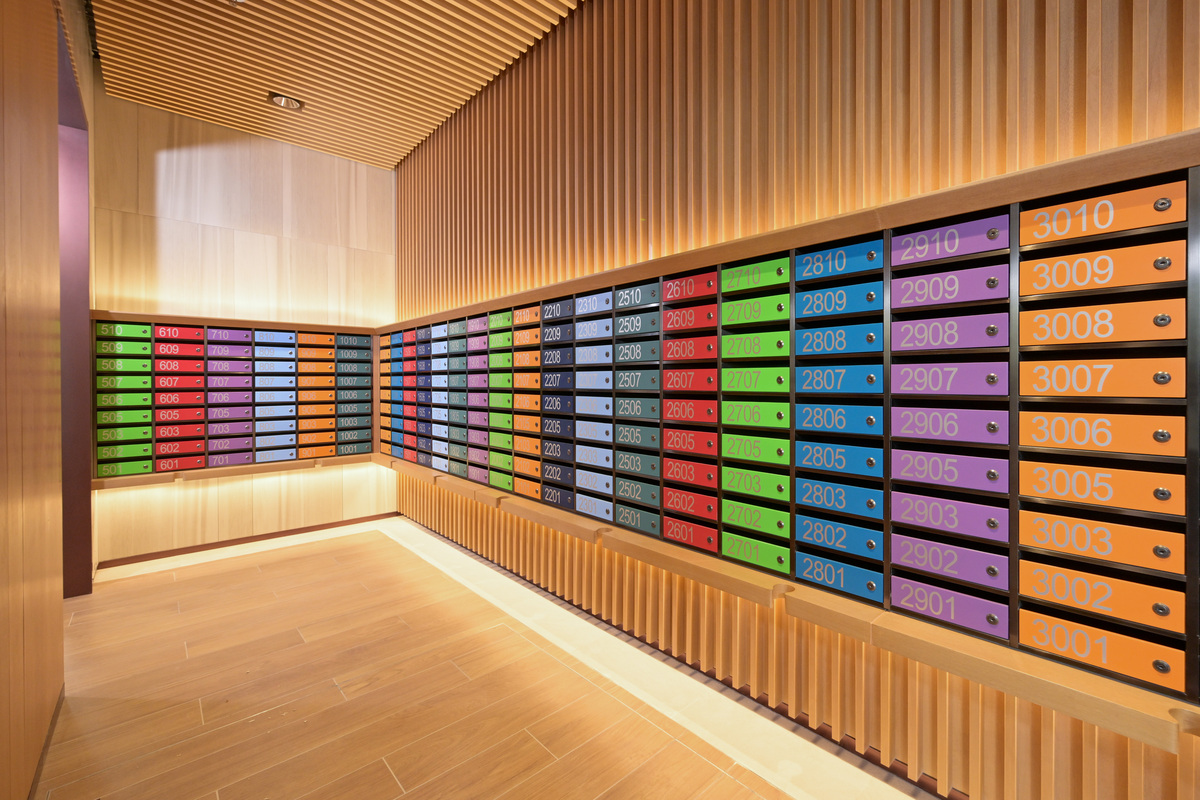
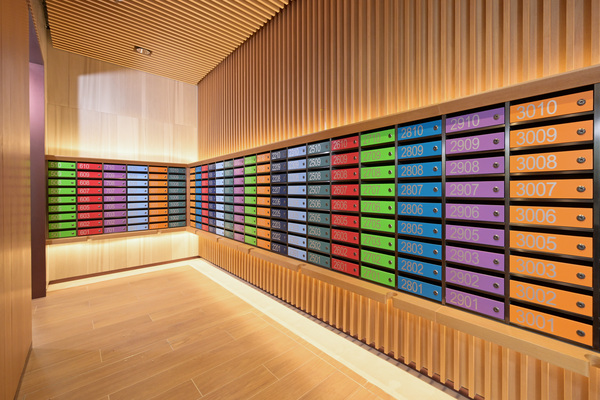
The mailboxes at Casa Sierra feature high colour contrast and clear numbering, making them easy for elderly residents to identify.
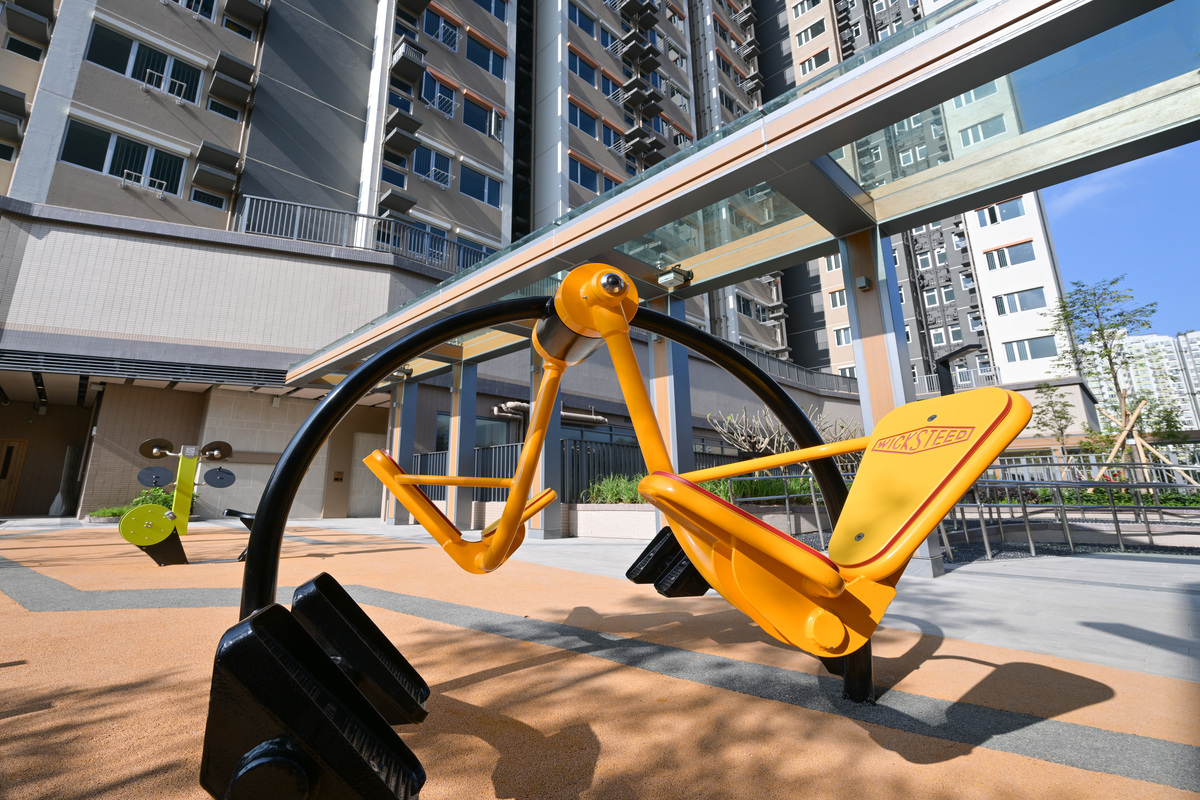
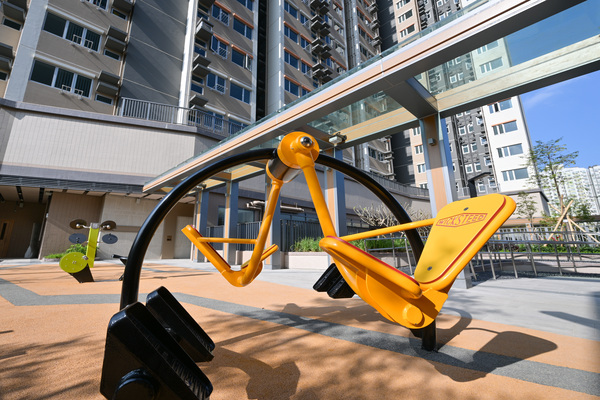
The estate’s outdoor rest areas feature elderly-friendly fitness equipment and adequate seating.
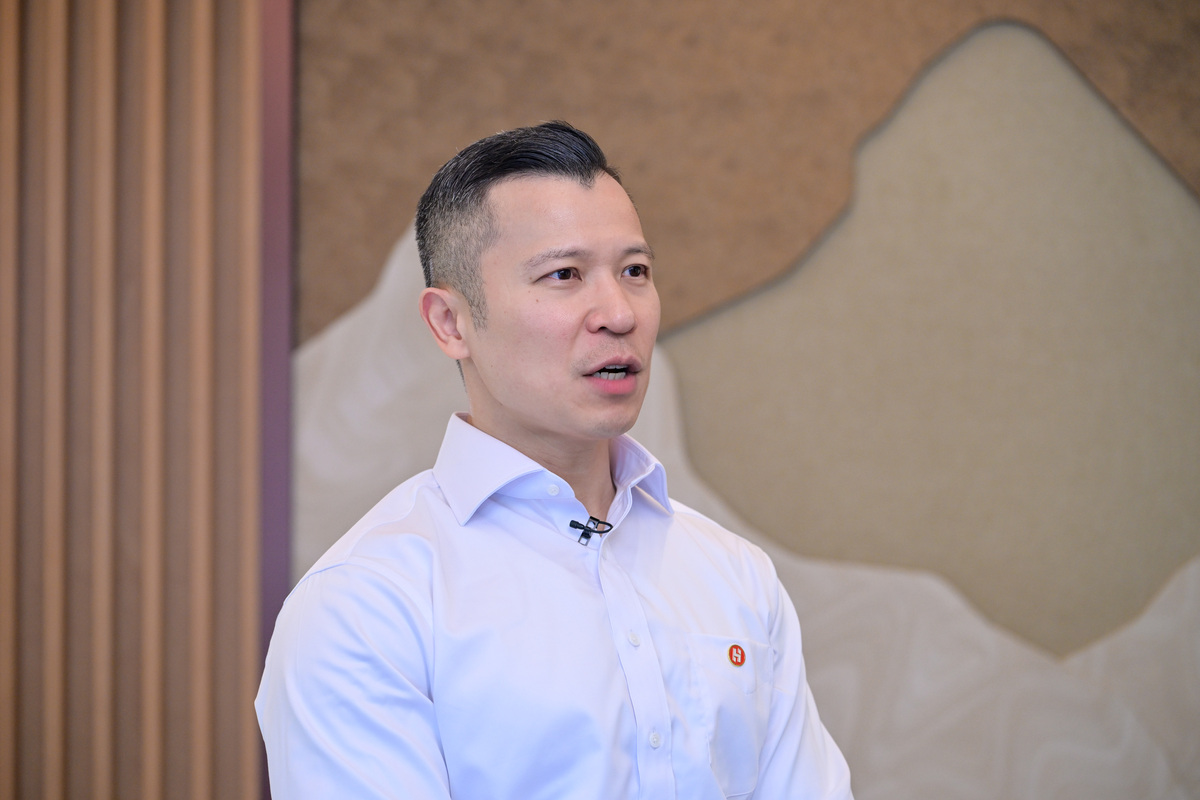
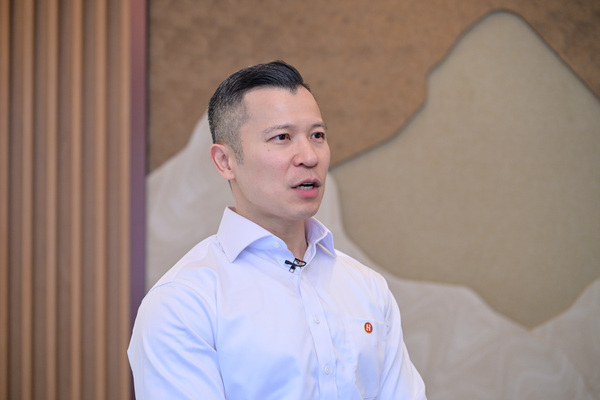
Housing Society Assistant Director (Project Management) Vincent Wong says the society continues to refine elderly-friendly design elements, helping to promote "ageing in place".
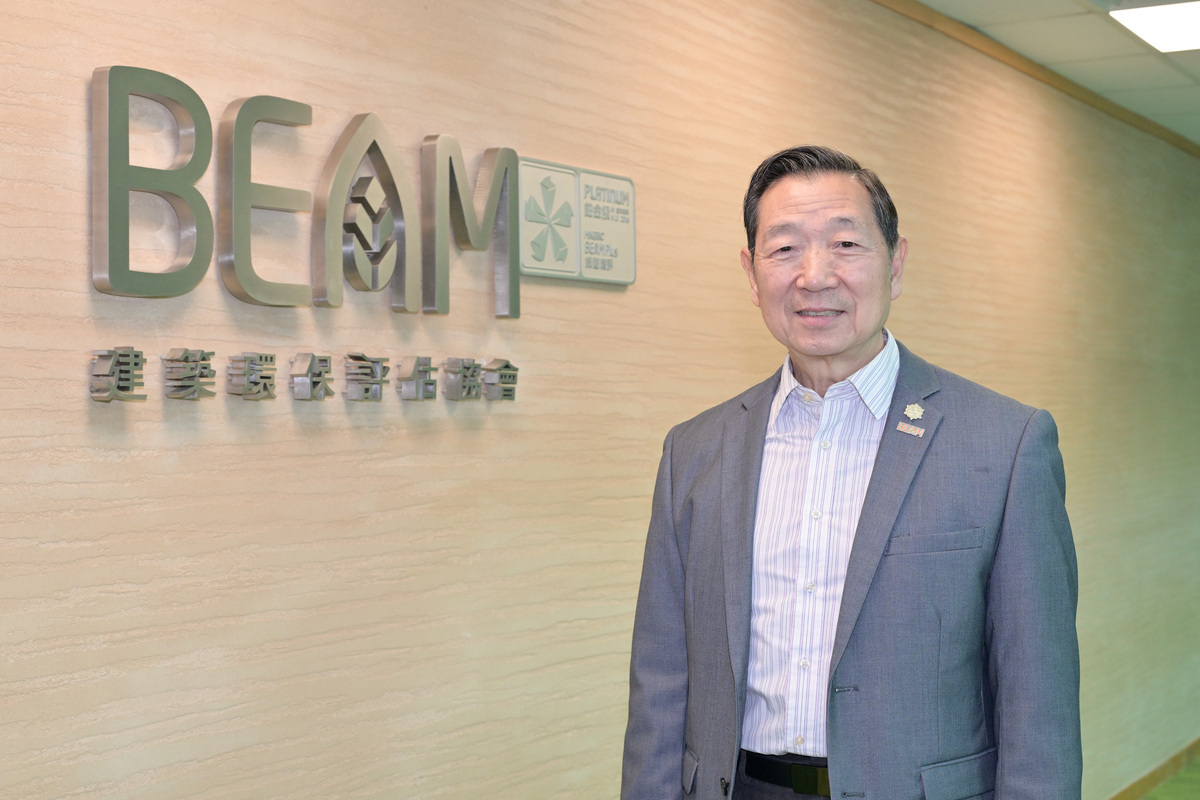
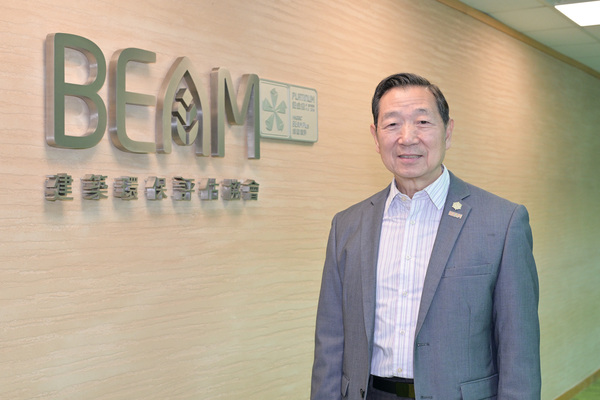
BEAM Society Chief Executive Officer Ho Chi-shing says applicants are required to submit layout plans and photos to demonstrate that the design is feasible.
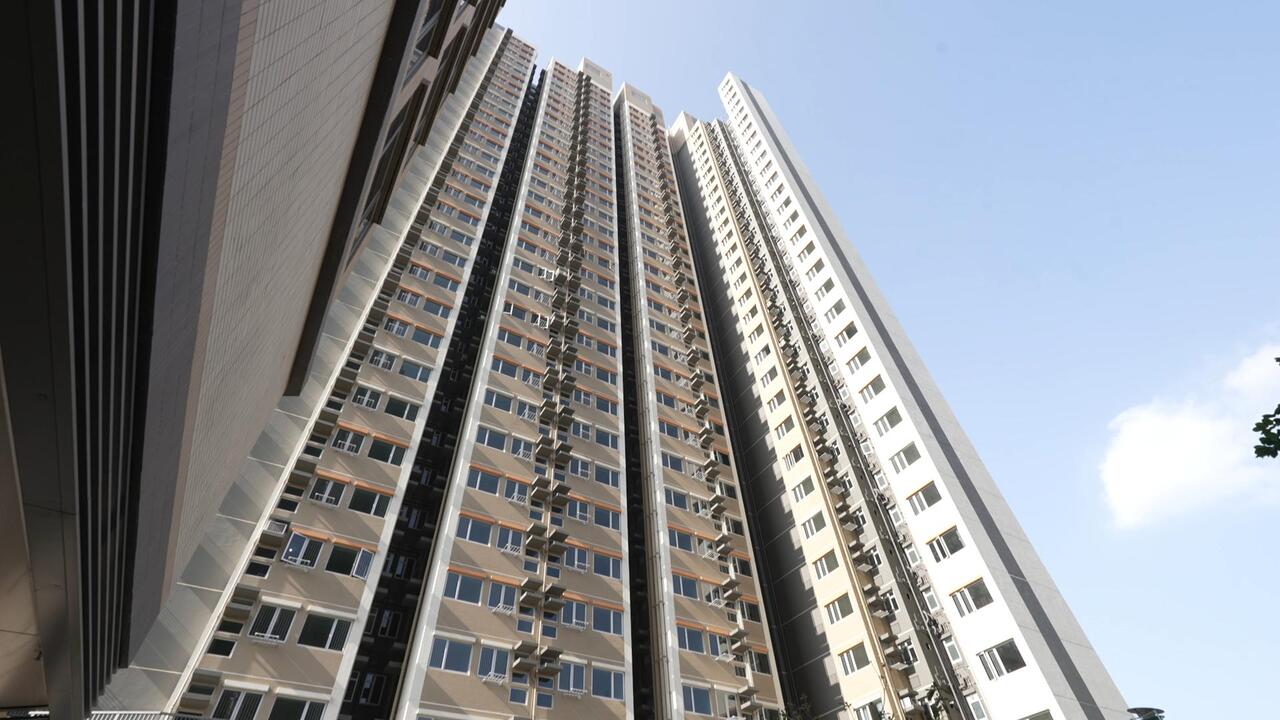
Step into Casa Sierra and discover a space where elderly-friendly design features are everywhere.
More than just a splash of colour, the mailboxes feature high-contrast designs and big numbers specifically crafted for easy reading. Beyond their vibrant appearance, they also hide thoughtful, age-friendly details.
For an elderly resident living on the 8th floor, for instance, a distinct light-blue colour serves as an intuitive guide. Whether they are collecting mail or returning home, these vivid cues let residents know they are in the right place.
With Hong Kong’s population ageing, the Government has been encouraging "ageing in place". The Development Bureau has joined hands with the Green Building Council and the BEAM Society to launch a voluntary Elderly-friendly Building accreditation scheme, encouraging the industry to adopt the scheme’s recommended best practices.
Casa Sierra, the Housing Society's dedicated rehousing estate in Fanling, is the first building project to obtain the certification.
Thoughtful details
Inside the residential units, light switches are installed between 1 to 1.3m above floor level, making them more accessible for the elderly. Bathrooms feature slip-resistant floor finishes. Faucets and doors avoid round knobs, opting for easy-to-use lever-type handles instead.
Housing Society Assistant Director (Project Management) Vincent Wong explained: "This type of handle reduces twisting of the hand, making it more convenient for older people with reduced finger and forearm strength.”
An “integrated care link system” provides a vital link in the event of an emergency.
Age-friendly design is also reflected in public areas. When heading out, elderly residents benefit from lifts equipped with seating and an audio system. Backlit control buttons are installed at specified heights, while major access routes feature minimised thresholds and steps to ensure a smooth, barrier-free journey. Outdoor areas also offer sufficient seating and senior-friendly fitness equipment.
Planning ahead
Mr Wong said the Housing Society incorporated a wide range of elderly-friendly design elements in the planning stage of Casa Sierra, including 15 specific features that adopt the recommended best practices for elderly-friendly building design.
"The Housing Society has accumulated more than 20 years of experience in developing housing for older people. Based on that experience, as well as residents’ habits and feedback, we have continually refined the elderly-friendly design elements in our flats," he said. "As residents grow older and their physical needs change, a flat that supports day-to-day living can help promote ageing in place."
Completed last July, the estate is now welcoming new residents. It provides about 1,200 rental and subsidised sale flats, as well as 261 elderly units under the Senior Citizen Residences Scheme.
In addition to the recommended best practices, the Housing Society has added other elderly-friendly features to some flats, such as a storage rack for canes, umbrellas and keys, and extra clothes-drying rails in bathrooms.
Voluntary certification
The Elderly-friendly Building accreditation scheme applies to both new and existing buildings. Applicants must adopt at least 10 recommended best practices. Once the project passes assessment by the BEAM Society, it is eligible for certification by the Green Building Council.
Ho Chi-shing, BEAM Society Chief Executive Officer, said the recommended best practices draw on international standards while taking into account Hong Kong’s living environment and the practical needs of older people.
"For instance, many elderly have weaker eyesight, so colours and contrast need to be more distinct to help them differentiate. They are also more prone to falls, so design must consider whether there are sufficient handrails.”
He added that the Beam Society assesses applications based on objective evidence. Applicants should submit layout plans and photos to demonstrate that their applications meet the standards for elderly-friendly building design. Their designs should be practical and made with suitable materials.
To date, the BEAM Society has received applications from five residential projects.
By achieving certification, these developments may meet one of the "specific standards" required for the Buildings Department to grant gross floor area concessions.