Rice cookies revive heritage
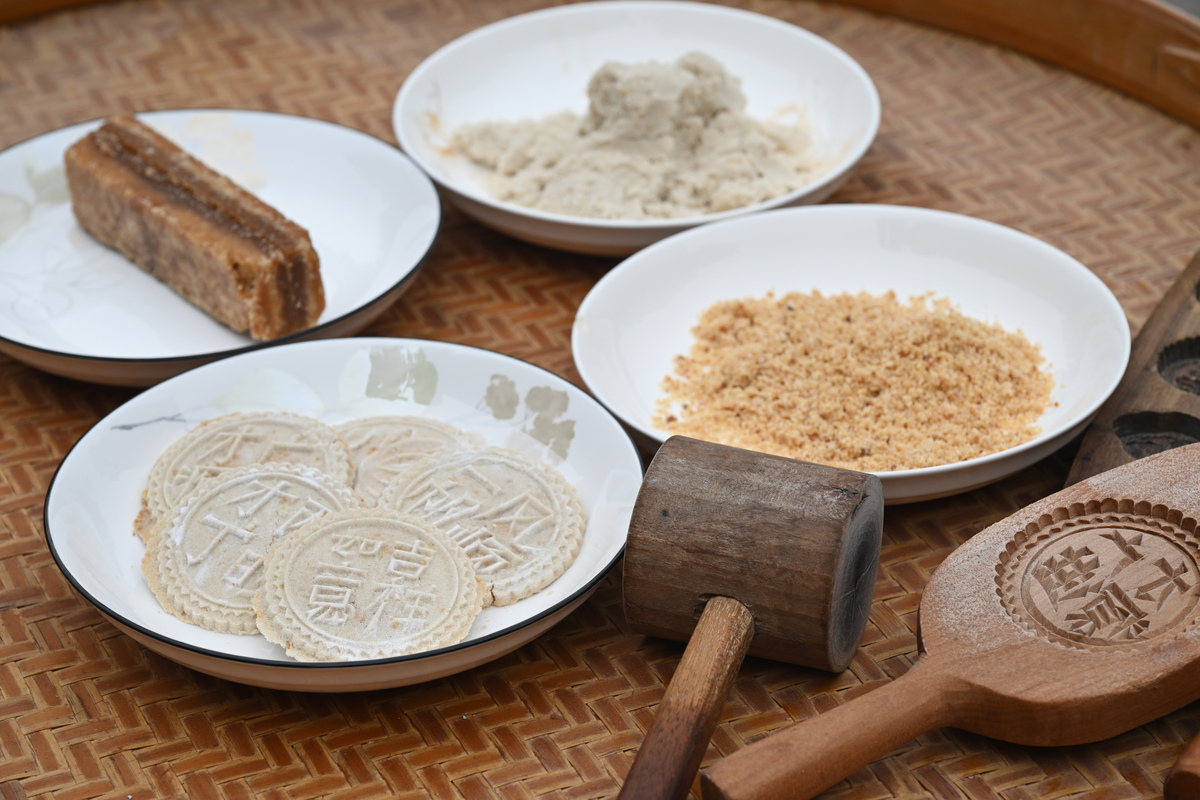
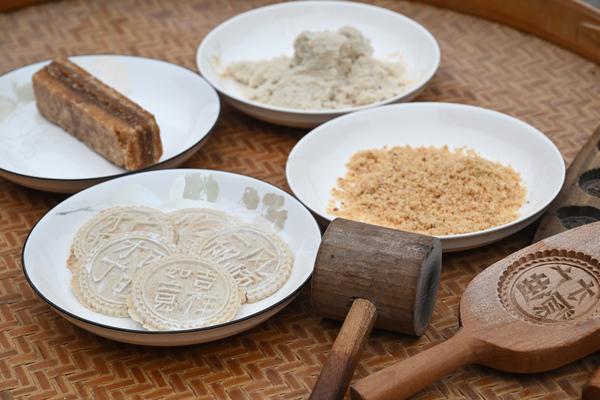
Rice cookies are made using just white rice, slab brown sugar, and fillings of peanuts mixed with white sugar.
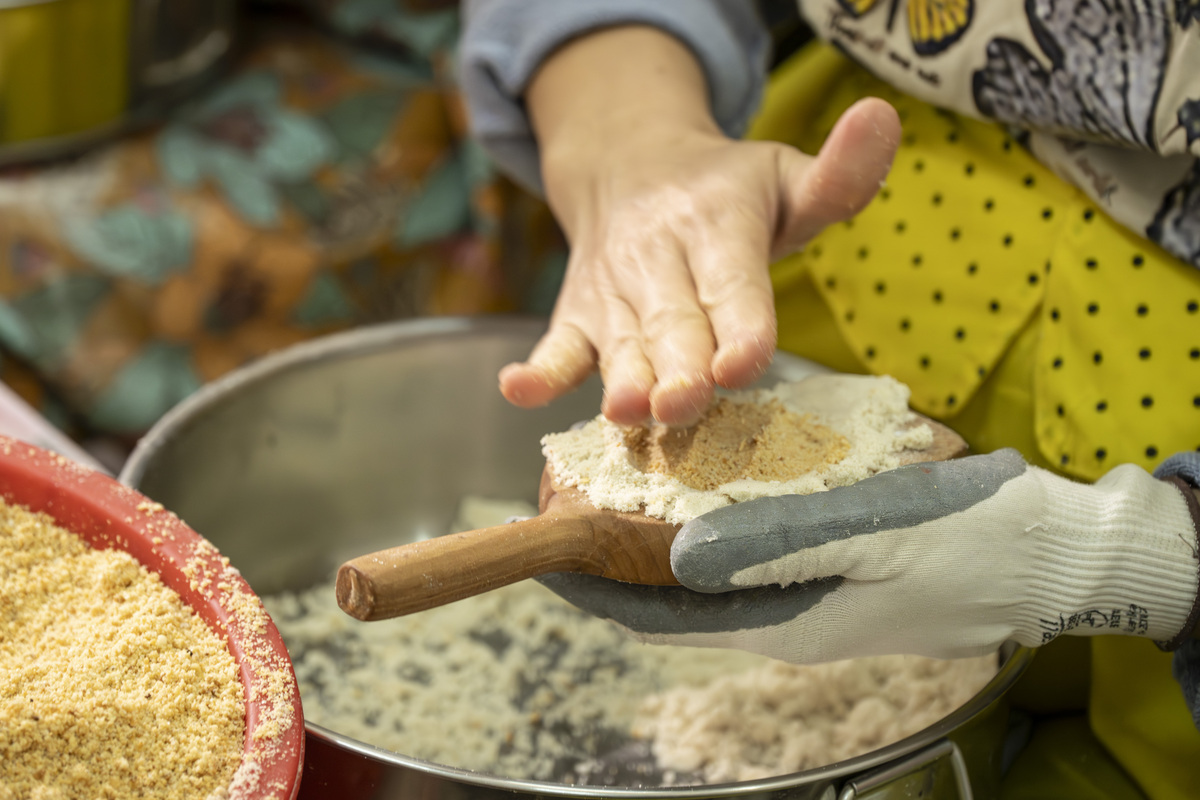
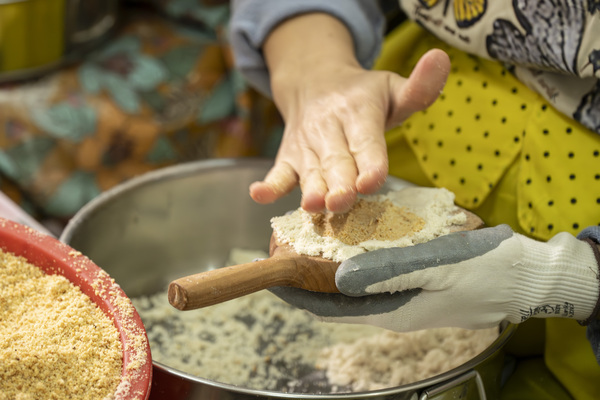
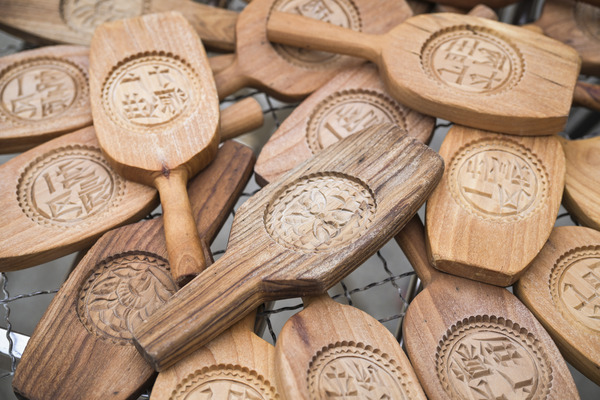
White rice is pan-roasted, cooled, and ground into flour, then mixed with brown sugar syrup to form a dough. Pressed into wooden moulds, the dough is then filled with peanuts and white sugar, covered with more dough, and hammered into shape.
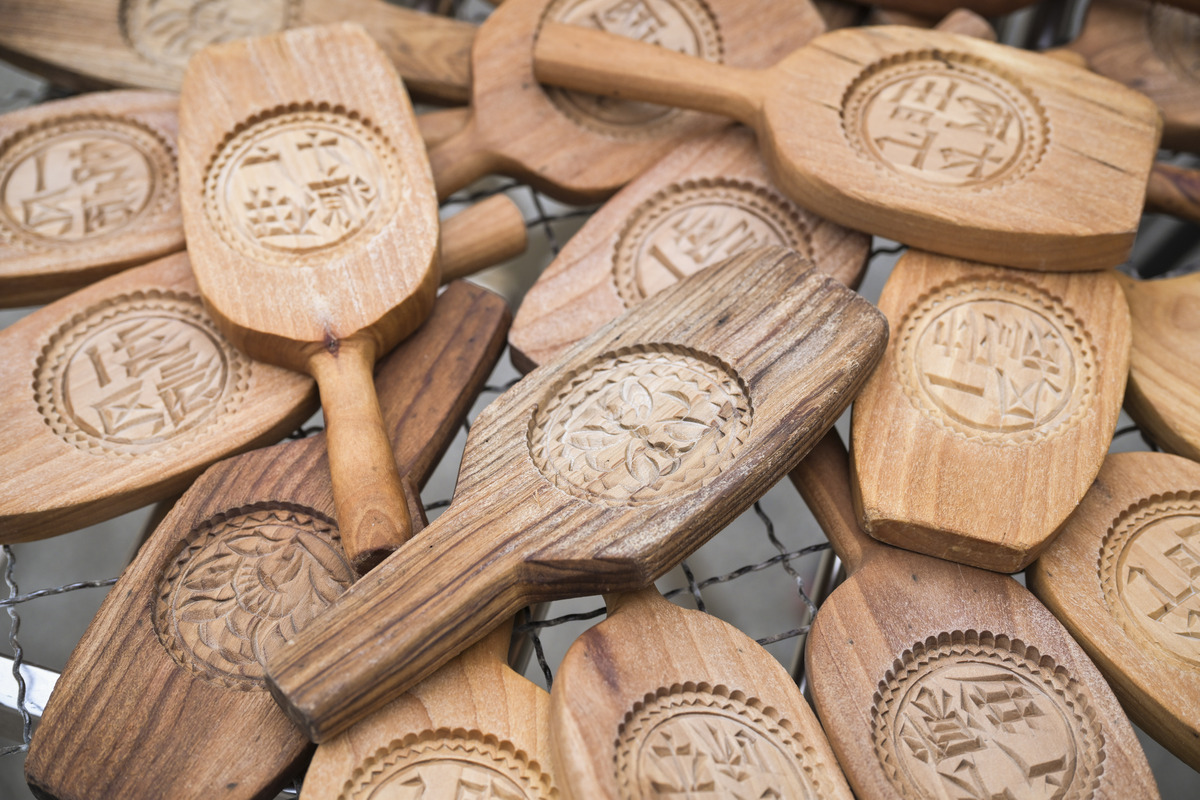
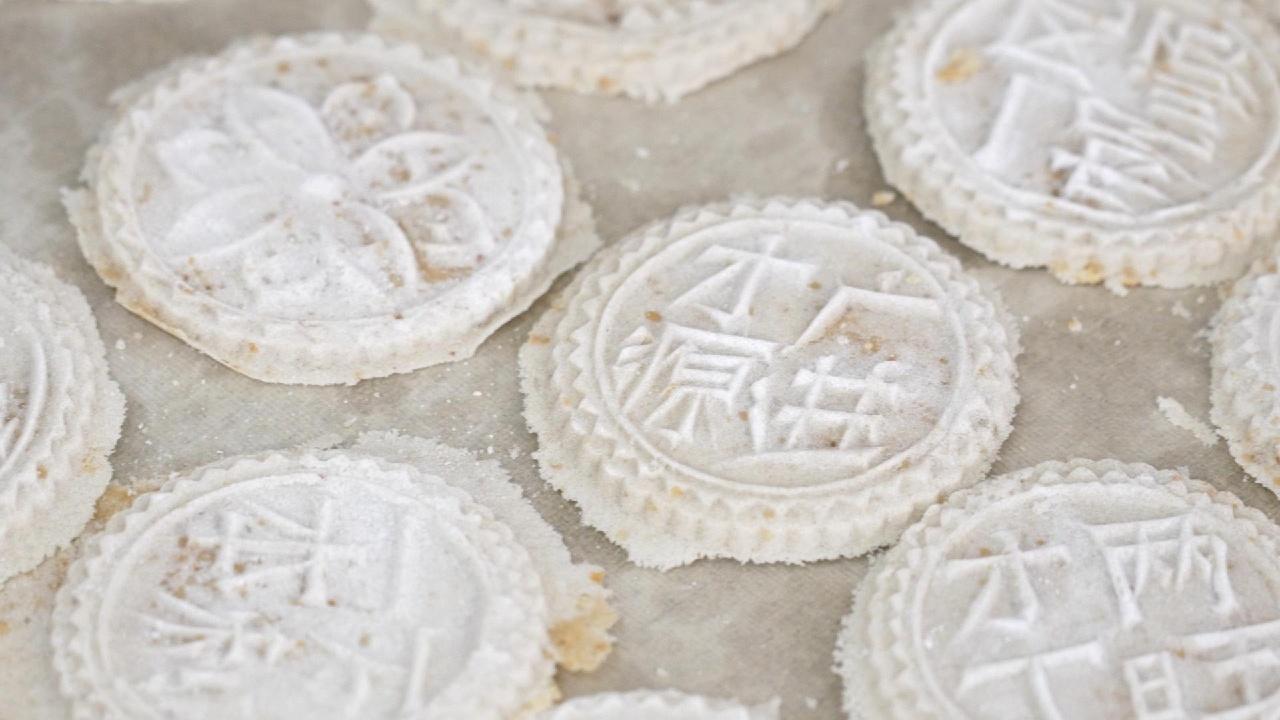
The wooden moulds are carved with auspicious phrases and floral motifs, symbolising wishes for abundance, peace and a good year ahead.
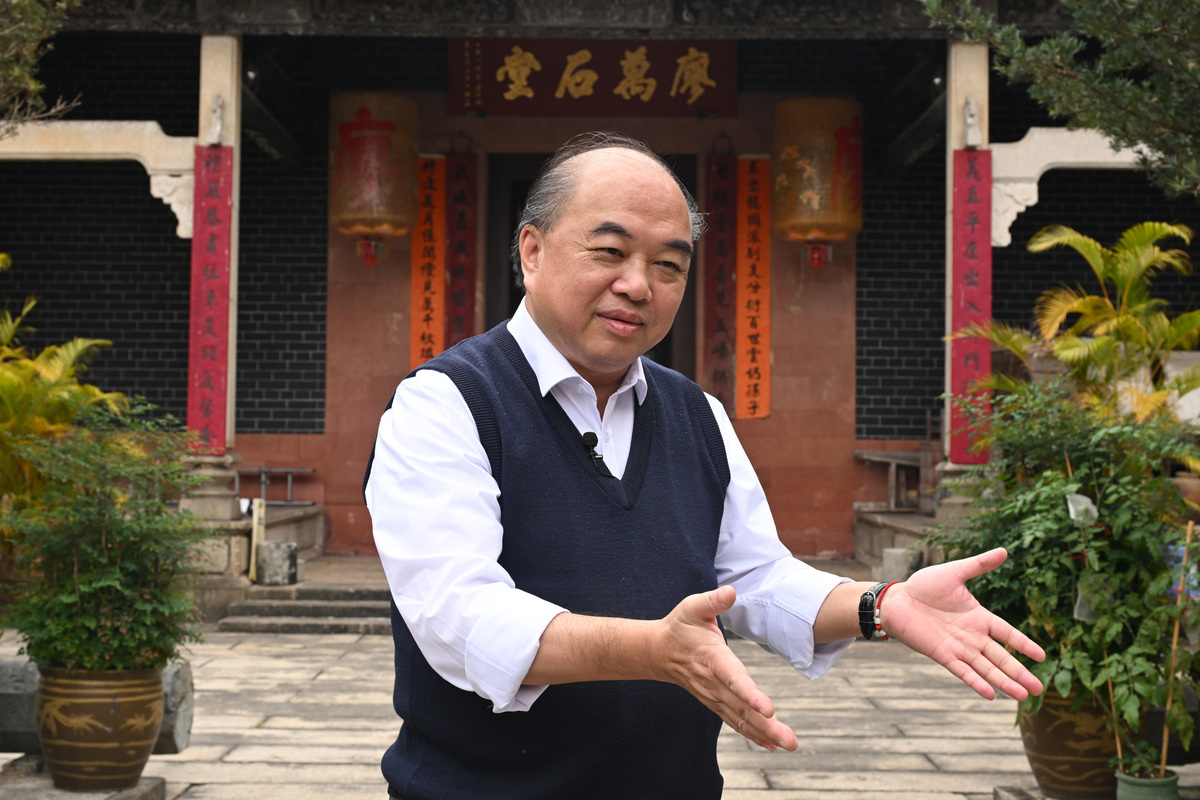
Indigenous New Territories villager Liu Chiu-wa says that the tradition of rice cookie-making dates back to the agricultural era, when farm work eased after the autumn harvest and villagers turned to preparing for the Lunar New Year.
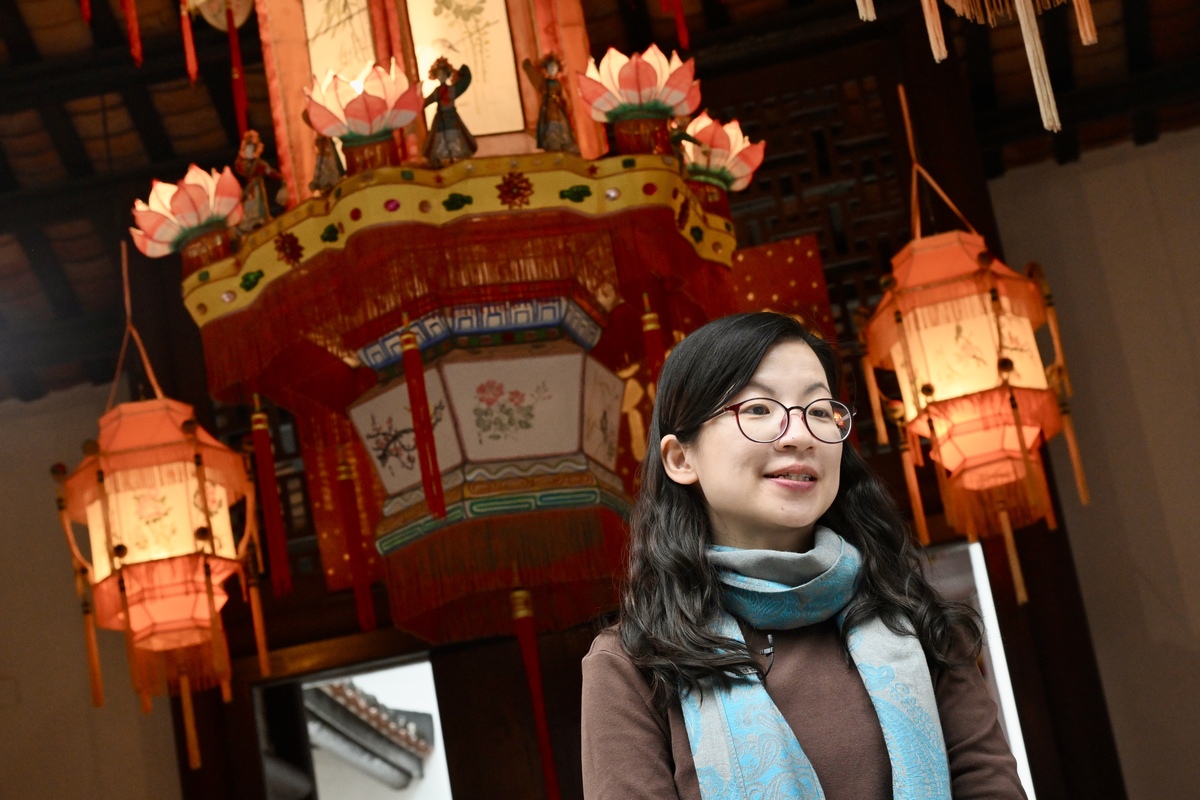
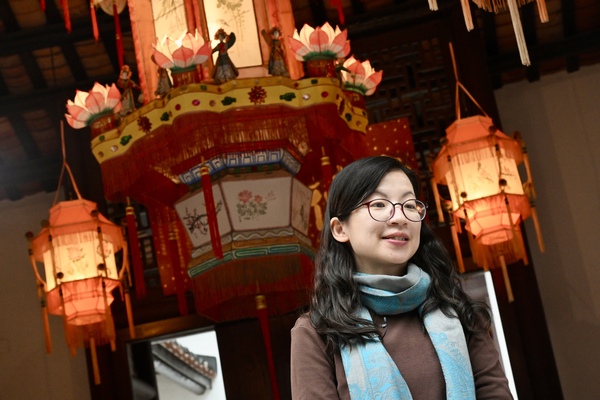
Leisure & Cultural Services Department Assistant Curator I Coral So says that the gathering of New Territories village families to make rice cookies strengthens community ties.
In the run up to the Lunar New Year, the familiar rhythmic thudding of dough echoes through the tranquil lanes of Sheung Shui Wai.
The sound can be traced to a workshop tucked behind the Liu Man Shek Tong Ancestral Hall - a declared monument - where a group of village women gather around a long wooden table to make rice cookies using traditional methods.
“Be gentle. If you press too hard, the cookies will not be light and crisp,” explained Ms Yau.
With deft hands, the women press rice flour into wooden moulds, add a layer of peanut and sugar filling, then cover it with more flour. After brushing off the excess, they strike the moulds with wooden hammers to compact the cookies, then release them with a tap.
Once shaped, the cookies are lined up and placed in the oven - within 10 minutes, trays of golden, fragrant rice cookies emerge, fresh and ready to serve.
Centennial customs
Roughly the size of a palm, rice cookies are rich in rural sentiment and local flavour, carrying the cultural legacy of Hong Kong’s walled villages.
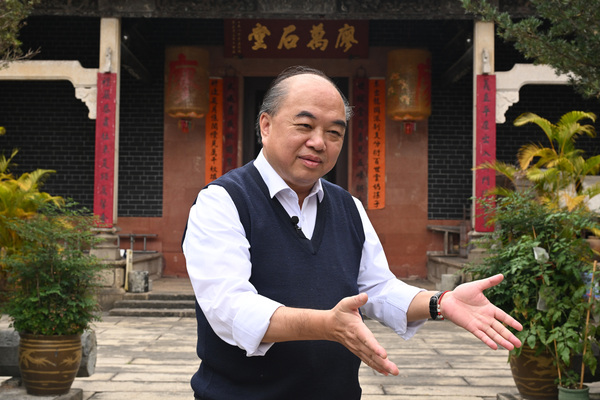
Liu Chiu-wa, an indigenous New Territories villager in his 60s, recalled the history of this traditional delicacy.
Mr Liu said the five great clans in the New Territories have long produced rice cookies annually in the run-up to the Lunar New Year. The custom dates back to the agricultural era, when farm work eased after the autumn harvest and villagers turned to preparing festive foods - with rice cookies being a must-have.
“We press lucky sayings into the cookies, wishing for abundance, peace and a good year ahead.”
In times past, he said, every household would bake rice cookies as part of their New Year traditions, both as gifts and for their own table.
Pursuing perfection
The ingredients for rice cookies are simple - just white rice, peanuts, white sugar and slab brown sugar - but every step of the process, from roasting the rice to shaping the cookies, requires precision.
First, white rice is pan-roasted in a wok until golden and brittle, then cooled and finely ground into flour. This is mixed with brown sugar syrup to form a dough.
Mr Liu explained that the dough must meet a certain standard: it should hold together in the palm, yet fall apart with a gentle touch.
For the filling, peanuts are roasted, skinned, ground and mixed with white sugar.
Mr Liu reflected that in the past, techniques were simpler and measurements imprecise, so the cookies came out dense.
“We had to wrap them in a tea towel and break them with a metal bar. Bite too hard, and you could chip a tooth.”
Thanks to years of refinement by villagers, today’s rice cookies are lighter and crispier, bursting with peanut fragrance.
In 2024, the Rice Cookie Making Technique was officially integrated into the city’s Intangible Cultural Heritage (ICH) Inventory.
Preserving culture
Leisure & Cultural Services Department Assistant Curator I Coral So said families in walled villages across the New Territories who gather to make rice cookies before the Lunar New Year serve an important social function by strengthening community ties.
“The technique meets the ICH Inventory’s assessment criteria - it is passed down through generations and provides a sense of identity within the community.”
The Intangible Cultural Heritage Office, which sits in the Leisure & Cultural Services Department, organised the "Wandering around Sheung Shui Wai - Rice Cookie & Sweet Potato Cake Workshop & Guided Tour" in January.
Mr Liu personally led participants on a walk through Sheung Shui Wai, introducing local customs and related intangible cultural heritage items, such as the Spring & Autumn Ancestral Worship of Clans and the Lantern Lighting Ritual.
The workshop also included live demonstrations of traditional rice cookie and sweet potato cake recipes, allowing participants to savour the authentic flavours of local village cuisine.
Meanwhile, the office runs a variety of educational activities and fun days, including the “Fun in ICH“ Series and the “Meet the Masters!“ Series, aimed at helping the public explore different aspects of Hong Kong’s heritage.
The office will stage “Hong Kong ICH Month 2026” from May 30 to June 30, inviting locals and visitors alike to immerse themselves in events and tours that showcase traditional craftsmanship in local communities. Across various districts, weekend carnivals for all ages will also be held throughout June.