Tai chi aids control tactics
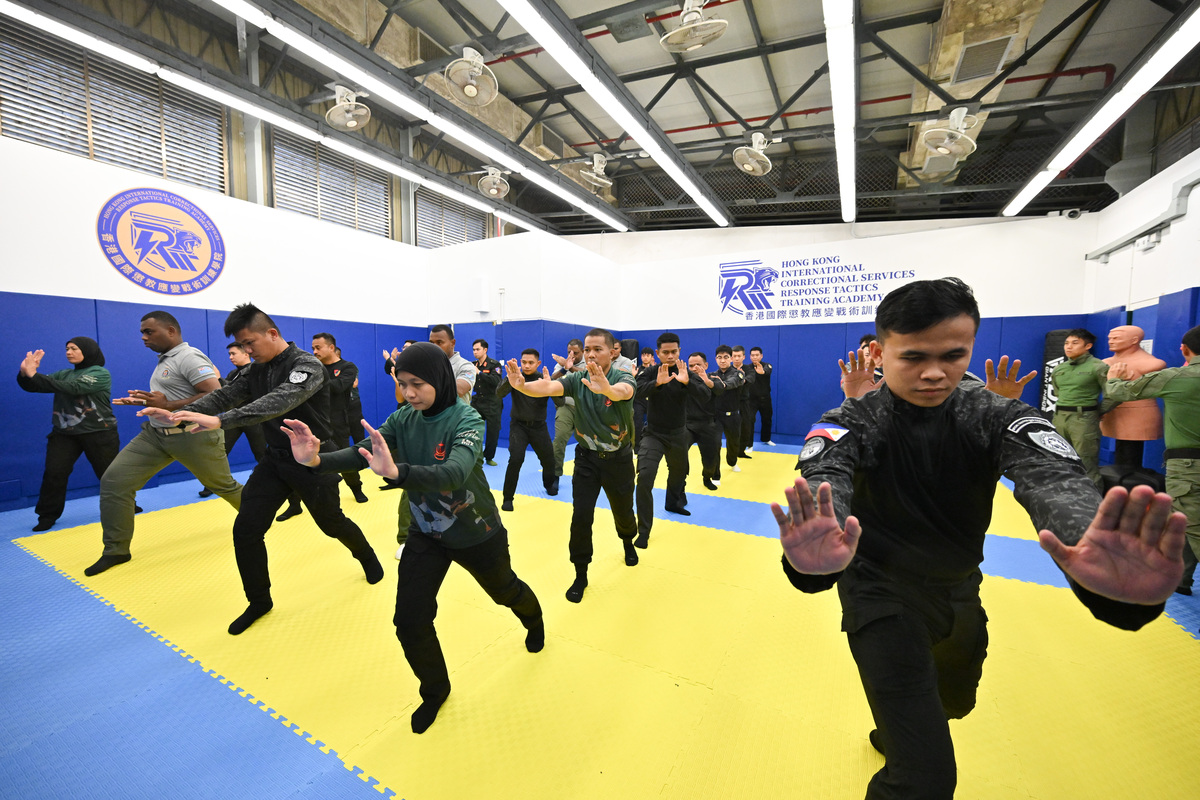
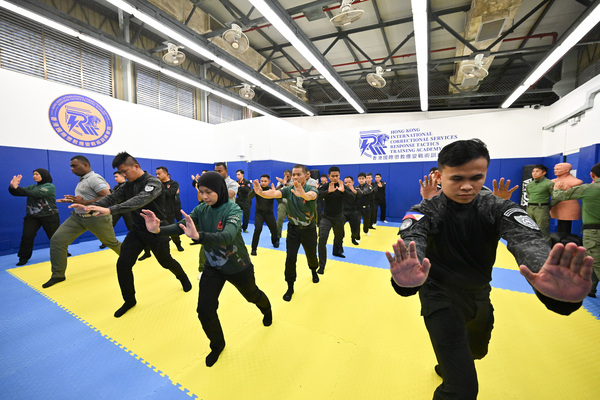
The Certificate in Safe & Effective Control Tactics course introduces “Tai Chi Safe Defensive Techniques”, a set of drills which utilise elements of tai chi to minimise harm.
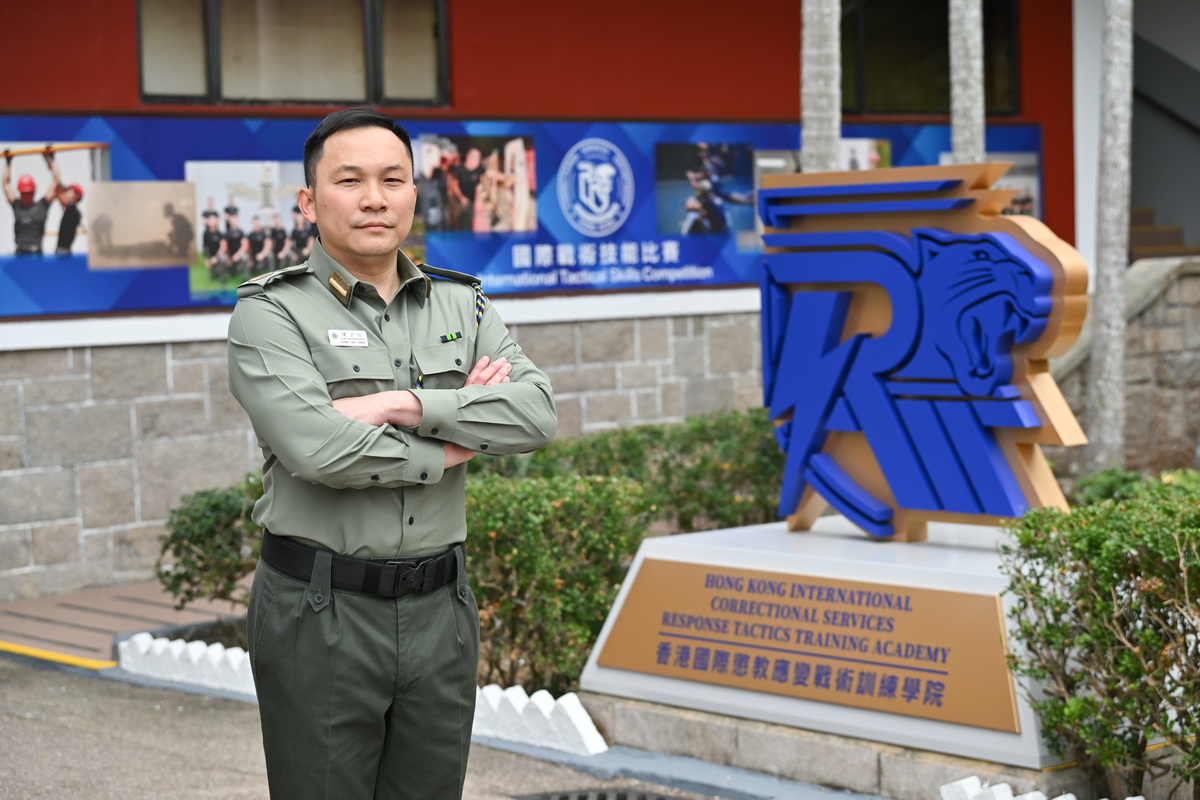
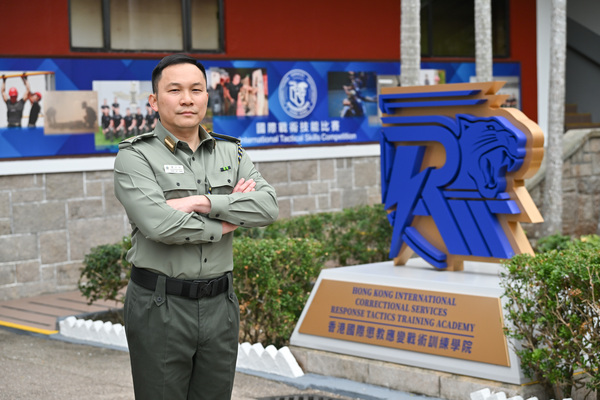
Assistant Director of Correctional Services (Operations) Chan Siu-hang says the academy can help to promote the sharing of emergency response tactics and experiences among the law enforcement agencies of different jurisdictions.
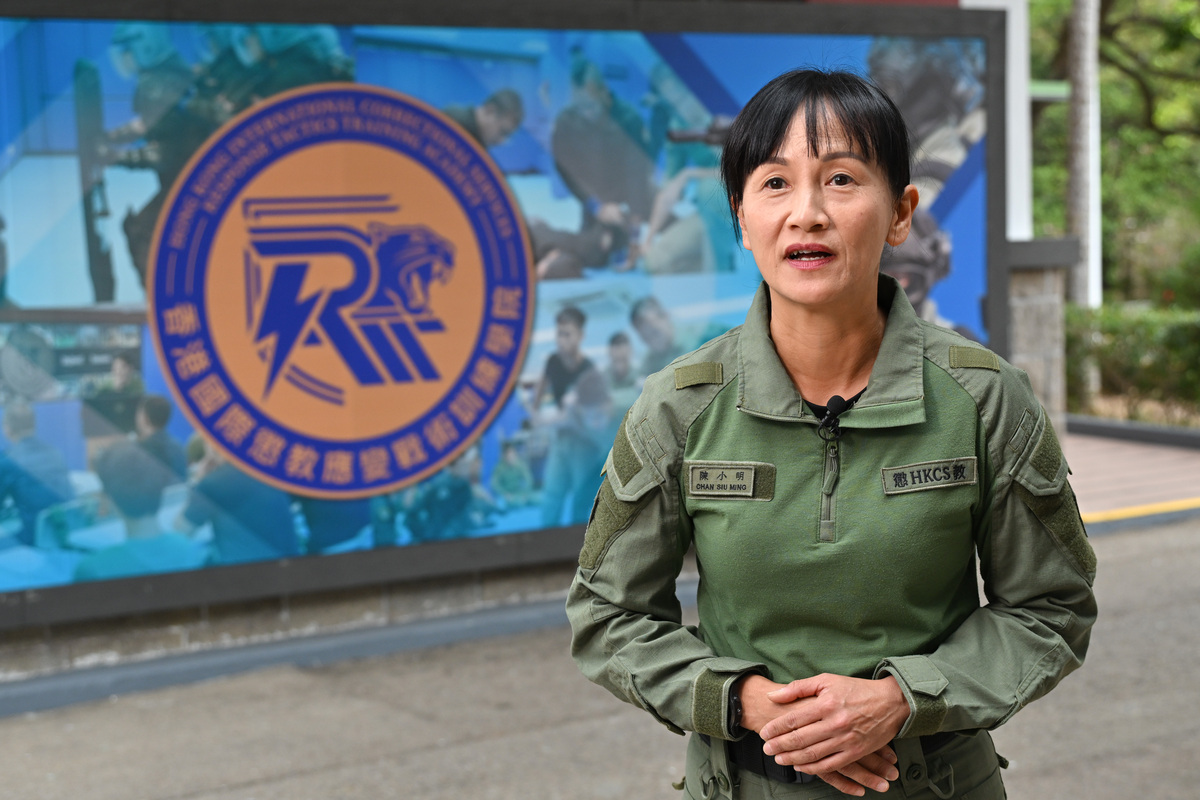
Hong Kong International Correctional Services Response Tactics Training Academy Instructor Chan Siu-ming says the tai chi moves are broken down into small steps for tai chi novices.
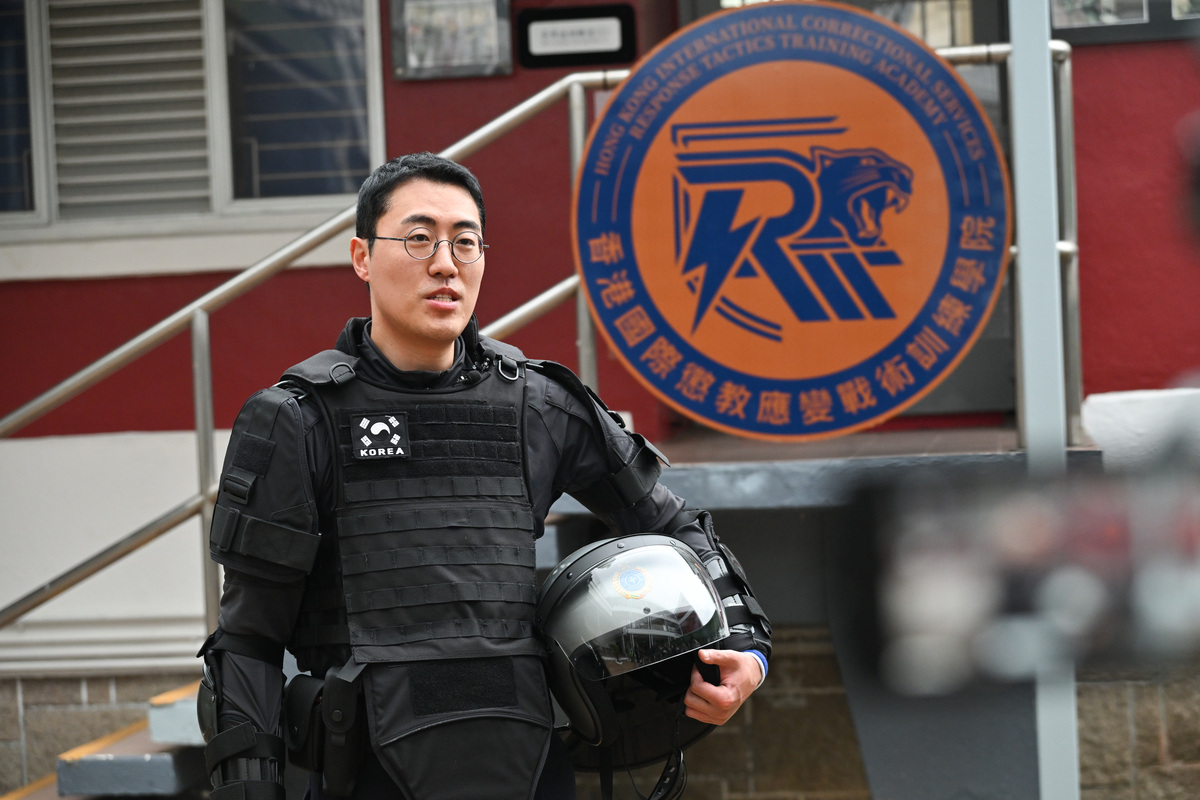
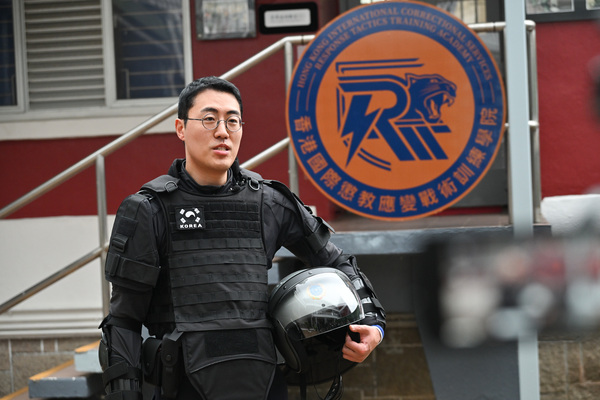
Kim Yoon-gwan, a trainee from the Republic of Korea, says he found the Tai Chi Safe Defensive Techniques challenging and interesting.
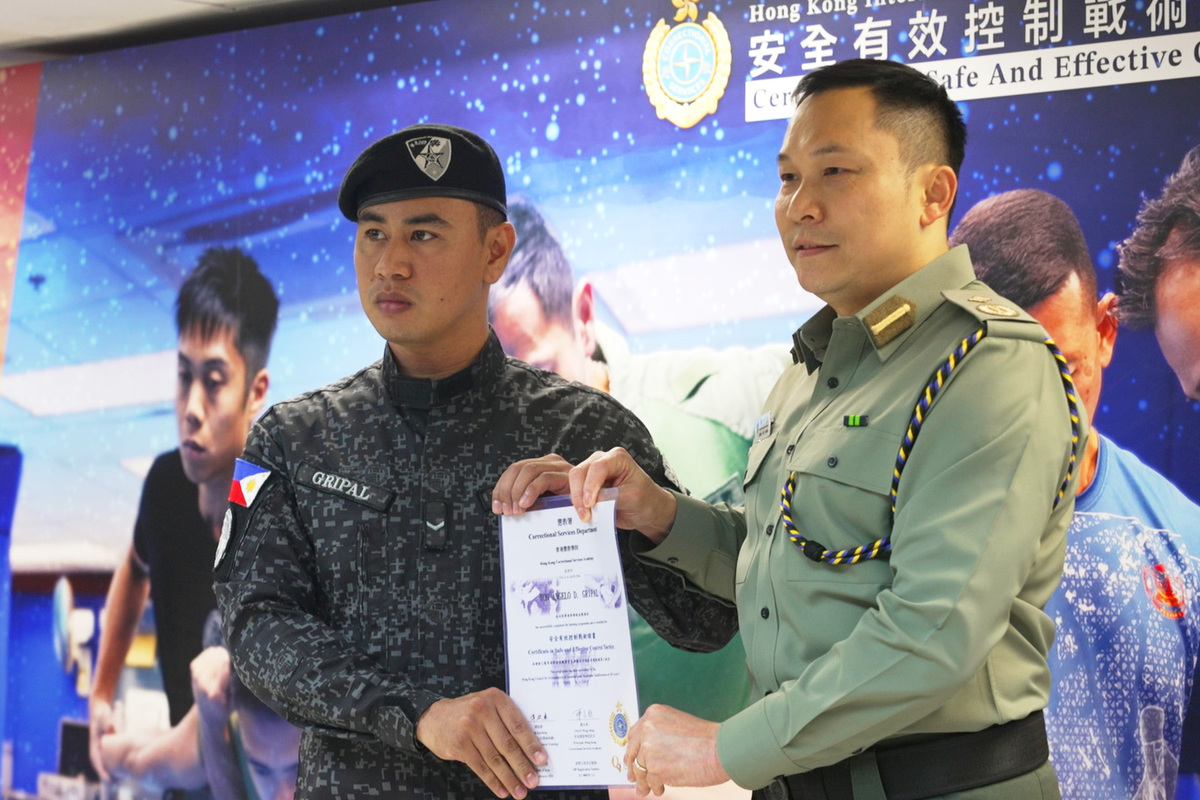
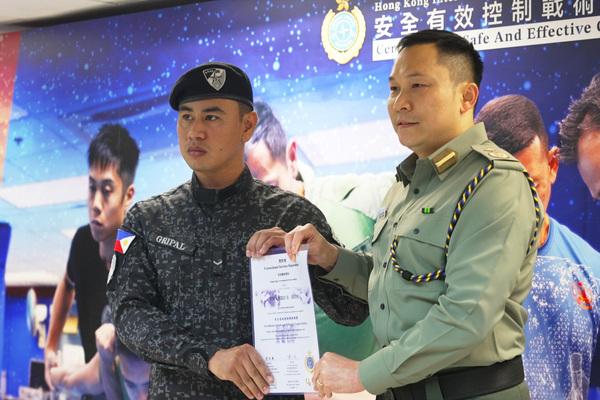
Von Angelo D Gripal (left), a trainee from the Philippines, says he looks forward to introducing colleagues back home to his new knowledge.
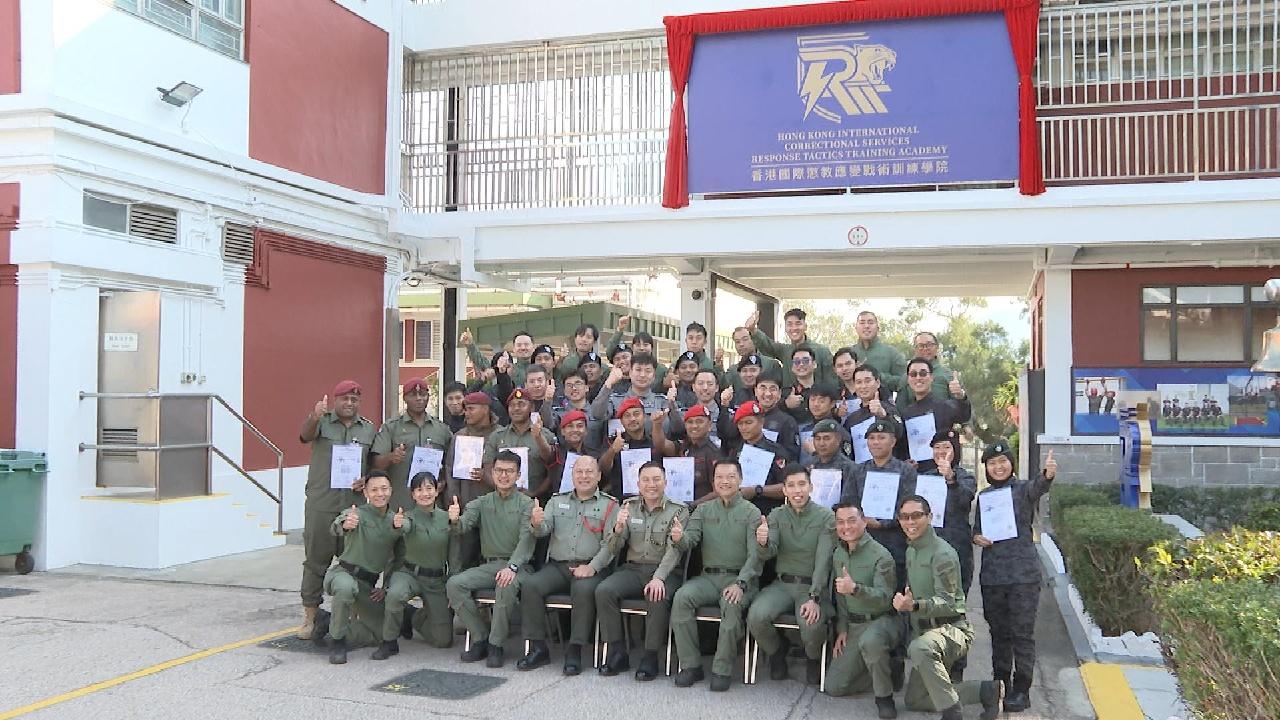
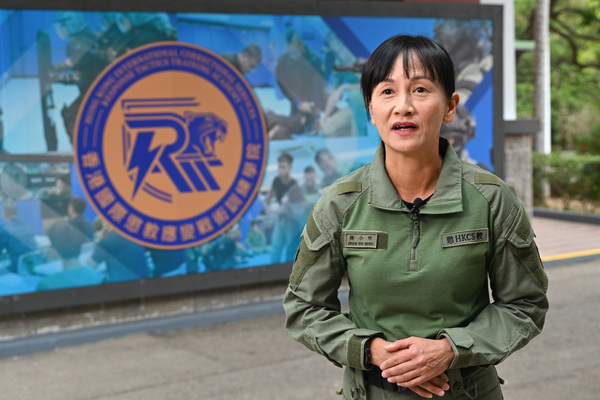
The Hong Kong International Correctional Services Response Tactics Training Academy opened last month, with its first batch of 29 trainees hailing from the Mainland, Macau, Brunei, Fiji, Malaysia, the Philippines, the Republic of Korea and Vietnam.
The academy offers a Certificate in Safe & Effective Control Tactics course. Pitched at Level 3 under the Hong Kong Qualifications Framework, it teaches frontline law enforcement officers to apply self-defence and control techniques that minimise harm.
Designed by the Correctional Services Department, the course incorporates various martial arts styles, including a set of drills known as the Tai Chi Safe Defensive Techniques.
Progressive methods
The department believes that tai chi techniques, known for their gentleness, can effectively reduce the risk of injury to both law enforcement personnel and individuals being restrained.
In order to make learning tai chi moves easier for those without prior experience, the instructors break them down into small steps and adopt a progressive teaching method.
Participants in last month’s course gave enthusiastic feedback. Kim Yoon-gwan, a trainee from the Republic of Korea, found the tai chi element both challenging and interesting, while Von Angelo D Gripal, a trainee from the Philippines, described it as “a wonderful addition to our knowledge” and said he would take what he had learnt home to his colleagues.
The course also gave participants the chance to apply their learning to various scenarios. For example, during one tactical session, they teamed up to control an uncooperative person in custody.
Immersive training
Located at the former Cape Collinson Correctional Institution, the academy offers a wide range of training facilities and an authentic correctional environment that enables an immersive training experience.
Instructors for the academy are selected from the department’s Regional Response Team. All have undergone overseas training, while some hold internationally recognised certifications.
The department has established an advisory group that includes experts from various professions such as sports medicine and science, Chinese medicine, and physiotherapy. They offer opinions and suggestions to improve course content and enhance the overall effectiveness and safety of the tactical training delivered.
The academy also plans to introduce instructor courses in the future, enabling graduates to provide relevant training to other personnel after returning to their respective organisations.