Parenting support heals family bonds
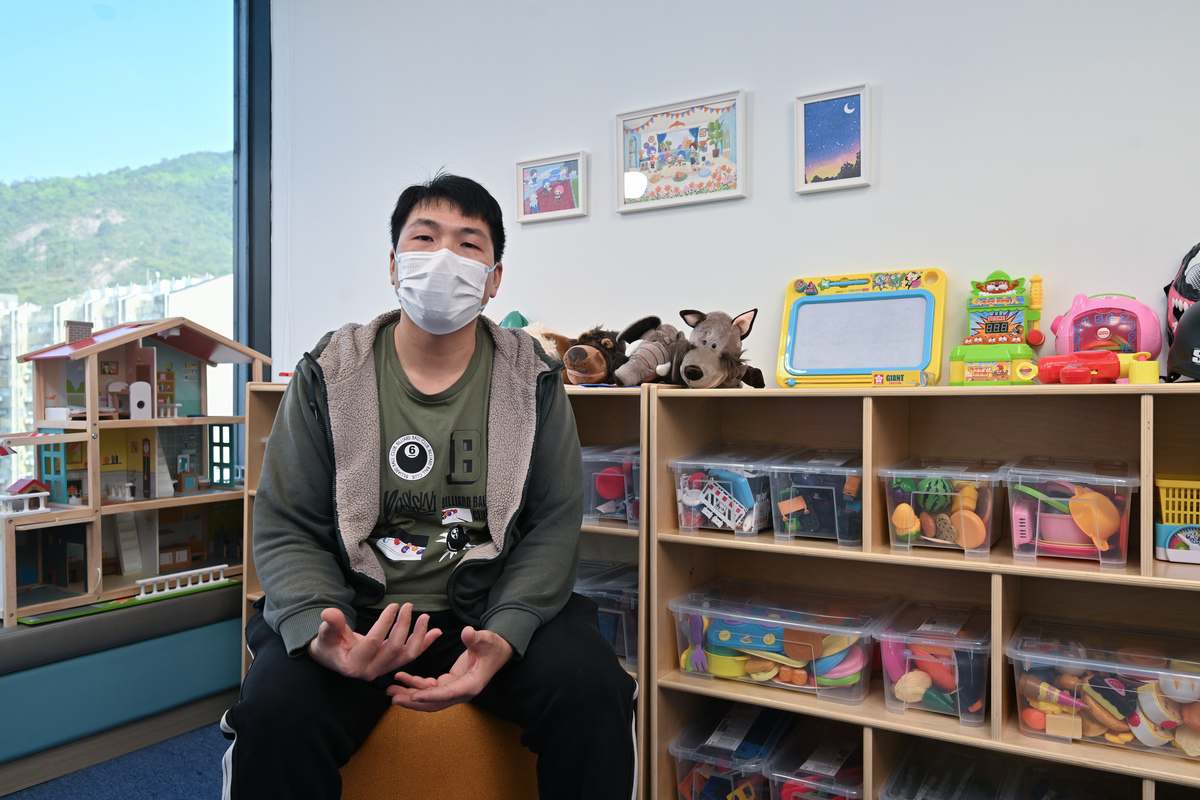
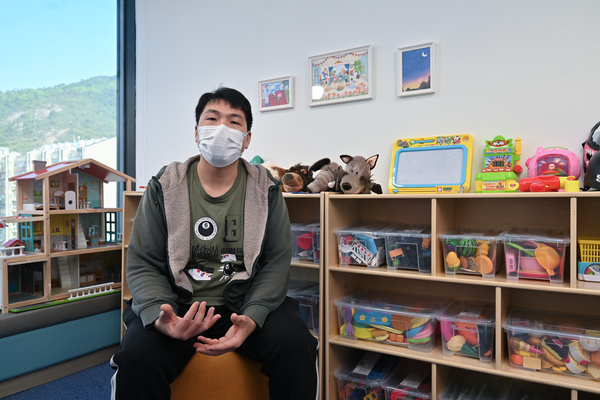
During an immensely stressful time in his life, Mr Lui resorted to physically disciplining his daughter, but says he now realises it was futile to punish her in that way.
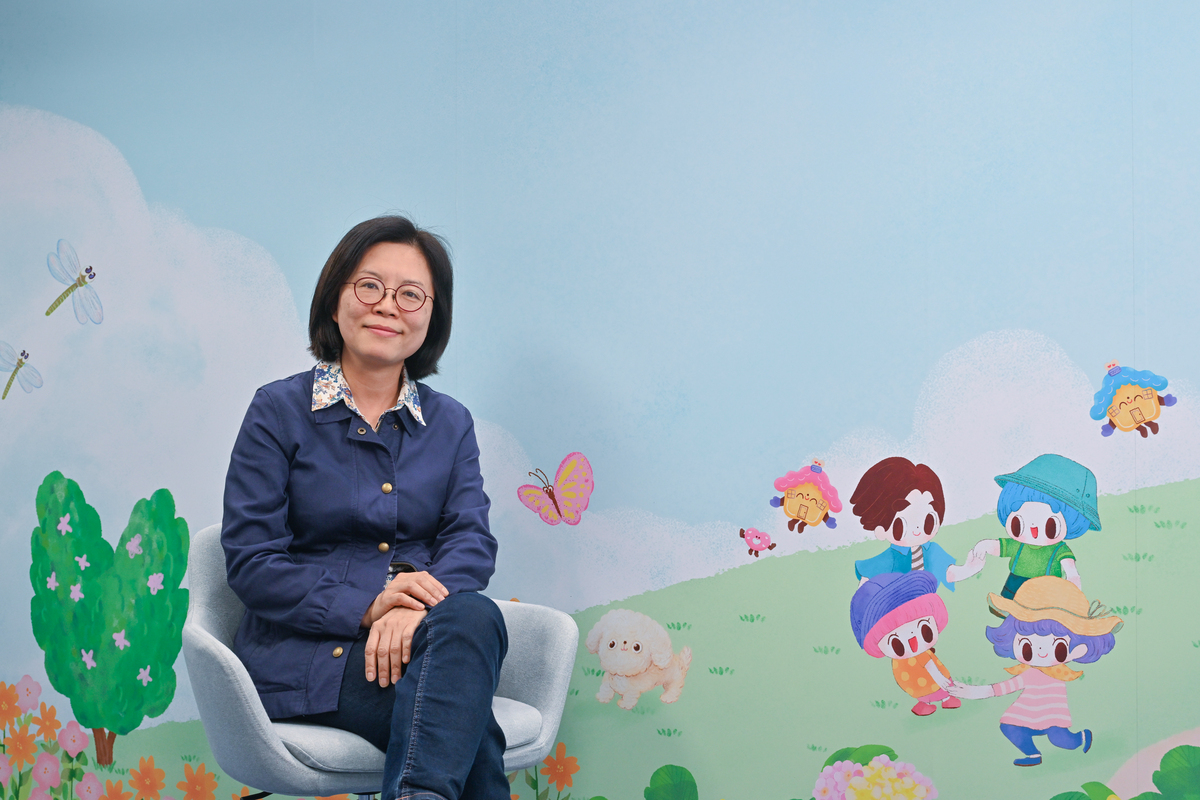
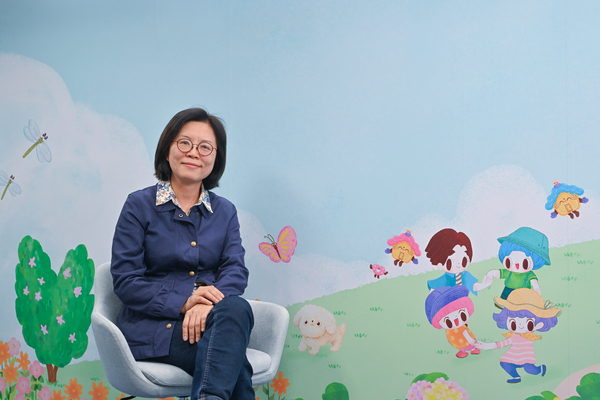
Social Welfare Department Family & Child Protective Services Unit (Sha Tin) Social Work Officer Natalie Cheung states that Child Protection Support Service Teams can visit families to demonstrate and observe interactions on the spot, providing timely guidance.
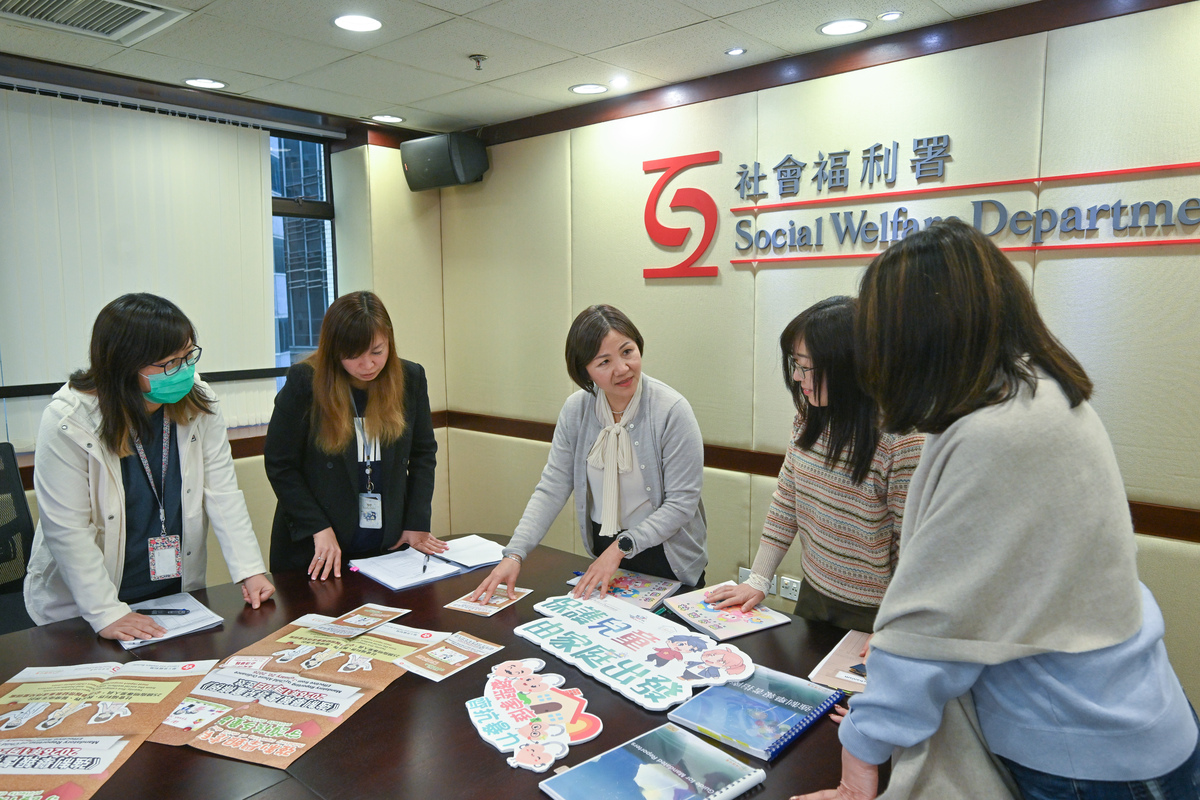
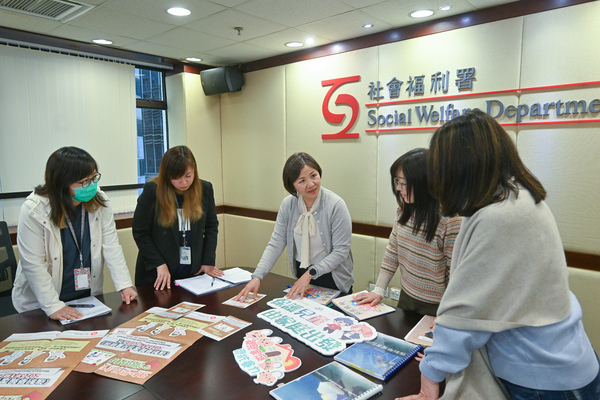
Social Welfare Department Family & Child Welfare Branch Chief Social Work Officer (Domestic Violence) Dora Yuen (centre) outlines that manpower has been increased enabling the unit to receive and handle new reports more effectively.
Mr Lui has been divorced for three years and is raising two children on his own. Both children have attention deficit/hyperactivity disorder and his son also suffers from dyslexia. Mr Lui quit his job to focus entirely on their daily care, but the immense pressure he faced took its toll and in a moment of distress, he resorted to physically disciplining his daughter.
“At first, I did not know they had attention deficit issues, and I felt quite helpless,” Mr Lui explained.
“That day, I had arranged a school activity for my daughter, so I woke her up at around 7am. But even after calling her, she kept dragging her feet.
“We were already running late and I did not want her to miss the activity, so in a moment of anger, I hit her with a clothes hanger. Looking back now, I know hitting her at that moment was completely pointless.”
Immediate guidance
After the Social Welfare Department’s Family & Child Protective Services Unit intervened, Mr Lui’s daughter was sent to stay with an emergency foster family, while he received counselling and other forms of support.
In order to strengthen assistance for families facing parenting difficulties or potential risks of child abuse, the department funded non-governmental organisations to establish six Child Protection Support Service Teams in March last year. The teams comprise professionals including social workers, psychologists and nurses, and handle cases referred by the department. By the end of September last year, they had handled 428 family cases.
Social Welfare Department Family & Child Protective Services Unit (Sha Tin) Social Work Officer Natalie Cheung explained that the services provided by the teams cover a wide range of needs, including home visitation support services, various group and training programmes, as well as family enrichment activities. The teams also accompany parents and their children to follow-up medical appointments when needed.
She highlighted that home visitation support is a key component of the service.
“While counselling usually takes place in an office setting, parents may not always find it easy to apply what they have learned at home. The teams can visit families to demonstrate and observe interactions on the spot, providing timely guidance.”
Rebuilding relationships
The support team taught Mr Lui appropriate ways to interact with his children. After six months of effort, his daughter was able to move back home. Team members also visited the family to help them declutter their living space together.
“I feel I am no longer on my own. Their support gave me the motivation to move forward,” Mr Lui revealed. “I understand my children better now and have learned how to communicate with them more effectively. As communication improves, our relationship becomes more comfortable for everyone.”
Strengthened measures
According to figures from the department, the number of newly registered child protection cases has shown a continuous increase over the past five years, from 940 cases in 2020 to 1,504 in 2024. In the first three quarters of 2025, 1,022 cases were recorded.
The Mandatory Reporting of Child Abuse Ordinance came into effect on January 20. Under the ordinance, 25 categories of specified professionals including social workers, teachers, doctors and clinical psychologists are required to make a report as soon as possible, if they have reasonable grounds to suspect that a child has suffered serious harm or faces a real risk of serious harm.
Social Welfare Department Family & Child Welfare Branch Chief Social Work Officer (Domestic Violence) Dora Yuen outlined that the Government has put in place a number of support measures in tandem with the ordinance.
“The manpower of the Family & Child Protective Services Unit has been increased, enabling the unit to receive and handle new reports more effectively.
“We have also introduced a new service, the Child Protection Support Service, to follow up on cases involving abused children and their families.”
She added that to support those children in need of residential care services, the Government will continue to allocate more resources to increase residential places, including setting up two new residential child care centres in Tuen Mun and Kwun Tong. Providing an additional 96 places, these two centres are expected to offer emergency residential care support for about 380 young children each year.