|
Despite the city's busy, narrow and congested streetscape, strollers' dreams will soon come true with the implementation of pedestrian schemes.
Streets are upgraded and refurbished so that people can walk around freely and enjoy their shopping. The schemes also help make the cityscape more appealing.
For road devlopers, there is still room for improving the streetscape to make Hong Kong a great city to walk around.
Director of Highways Mak Chai-kwong said: "It has been our intention to revitalise the streetscape and beautify the city. Though existing standards for paved concrete footpaths and street furniture are functional, we still strive to upgrade standards to enhance the cityscape."
The department embarked on a study last year which has thrown new light on the way forward for streetscape improvements.
One of the recommendations is to make full use of colourful paving blocks, specially designed railings and street lights to bring out the characteristics of different districts.
Mr Mak said paving blocks are environmentally friendly and cost effective.
"They can be re-used and help reduce noise and air pollution caused by road excavation works," he said.
Different colour schemes and patterns also make the cityscape brighter.
Another recommendation is the use of multi-function street poles.
At present there are mounting poles for traffic lights, traffic signs and streetlights, which can clutter up a road and make it seem untidy and narrow.
If the department introduces a common pole system, it will reduce the clutter and look more attractive, Mr Mak said.
"Space on pavements will also be increased and the problem of bottlenecks can be reduced."
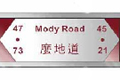
Also on the drawing board is the inclusion of building numbers on street name plates.
He said: "The proposal may benefit both local residents and tourists as they can identify addresses easier, in particular at long and main streets."
The department will explore whether it is practical to introduce these concepts, taking into account the characteristics of different locations and site constraints.
|