|
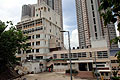
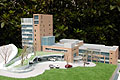
"After the renovation, the Nam Long Hospital will be renamed and converted into a cancer rehabilitation centre to provide a full range of comprehensive rehabilitation services for patients in various stages of cancer," Dr Ko told news.gov.hk.
Cozy feel
The centre will be designed to create a warm and caring environment, with 110 beds. There will be a range of accommodation, from single rooms with en-suite facilities to six-bed rooms to cater for patients' different needs and choices.
"The new cancer-rehabilitation centre, expected to be operational by the end of 2007, will aim to complement services provided by various public and private hospitals in the acute treatment of cancer patients," Dr Ko said.
"We emphasise the provision of nursing care. Of course there will also be a range of allied health services, such as physiotherapy, occupational therapy, prosthetic and orthotic services, psychological counselling, as well as medical services to cover a wide range of cancer rehabilitation needs."
Family support
Noting family support is the key to helping cancer patients cope with the disease, the rehabilitation centre will offer patient-care training and overnight stay facilities. Recreational therapy - such as tai chi, qigong, chess playing, handicraft making and arts performances - will also be available.
"Patients' psychological status will affect their physical well-being and effectiveness of cancer treatment...It is not easy for newly diagnosed cancer patients to accept surgeries, chemotherapy or radiation therapy because of some of the side effects or potential mutilating effect to the body. Therefore, if the psychological status of a patient is better, he or she will be more ready to accept such treatment. The result of the treatment will also be better," added Dr Ko.
He noted another of the centre's special features: It will provide integrated Chinese and Western medicine treatments.
Integrated treatment
"Many cancer patients will develop quite severe side effects when they receive chemotherapy or radiotherapy. It is now quite well established by scientific researches that the use of Chinese medicine can help patients in relieving many of the side effects resulting from chemotherapy or radiation therapy," Dr Ko said.
"Many Chinese medicinal herbs have been found to be effective in anti-cancer treatment�Kunder these different considerations, we believe there is a strong case to examine the merits of an integrated Chinese and Western medicine approach in cancer treatment and rehabilitation."
To ensure quality care service for cancer patients, the main stream of professionals working in the cancer rehabilitation centre will be nursing staff and patient-care assistants. Patients can also introduce their own doctors-in-charge, whether they are Chinese or Western medicine practitioners, as visiting doctors to look after them inside the centre.
Lower fees
Dr Ko said the centre's fee scale has been set at a level slightly lower than that of private hospitals, with a daily room charge ranging from $200 to $2,000. Ways to help patients who cannot afford the fees are being explored.
In July last year, the Anti-Cancer Society secured a $96.4 million grant from the Jockey Club Charities Trust to convert the Nam Long Hospital into a nursing home and covering its operational deficits for the first two years.
Dr Ko says the estimated operating cost for the fully operational cancer rehabilitation centre will be at least $30 million a year.
"We hope the funding will mainly come from patients' charges. If there is any shortfall, we will raise funds from the community," he said.
|