Hong Kong taps Central Asia growth
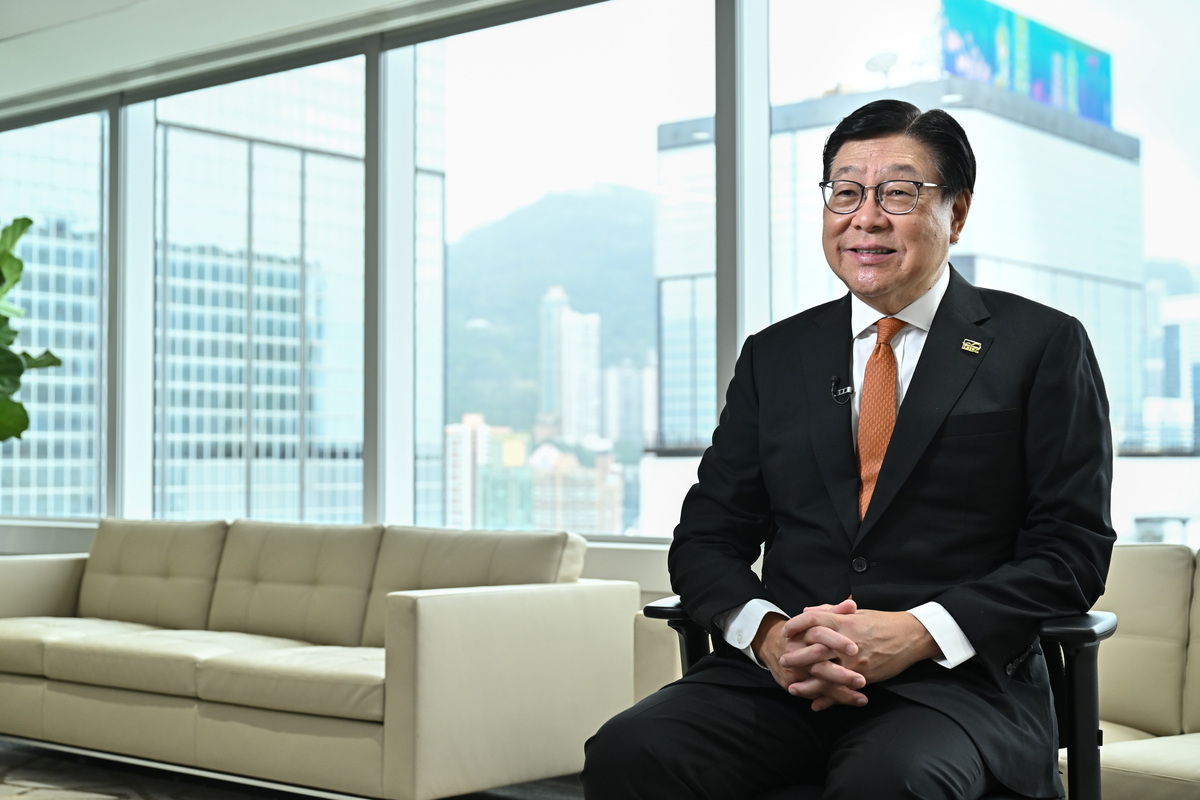
Hong Kong Trade Development Council (HKTDC) Chairman Frederick Ma says the Chief Executive’s delegation can boost financial co-operation between Hong Kong and Kazakhstan, while Hong Kong and Mainland companies can go global together to explore this emerging market.
The HKTDC currently has offices in 51 locations across multiple countries, maintaining close ties with the political and business sectors in these areas to identify business opportunities for Mainland and Hong Kong enterprises.

Chief Executive John Lee will lead a trade mission to Kazakhstan and Uzbekistan in June, courting openings beyond traditional markets, while Hong Kong Trade Development Council (HKTDC) Chairman Frederick Ma is optimistic the visit will deliver.
Kazakhstan stands as Central Asia’s most developed economy and regional powerhouse, boasting an impressive gross domestic product that soared past US$300 billion in 2025.
Leading the region in both economic output and purchasing power, Kazakhstan serves as a vital business and logistics hub bridging China and Europe.
In this diverse nation, Kazakh and Russian are the predominant languages, while Islam and Christianity represent the major religions.
Meanwhile, Uzbekistan claims the title of the region’s most populous country, strategically positioned at the heart of Central Asia and sharing borders with all its neighbouring nations.
With a storied past as a crucial segment of the ancient Silk Road trade routes, Uzbekistan has cultivated an environment ideal for stable economic growth, consistently achieving over 5% growth each year.
The growth trajectory positions Uzbekistan as a prime entry point for businesses eager to tap into the expansive Central Asian market.
A delegation led by Chief Executive John Lee will visit both countries in June.
Booming economy
HKTDC Chairman Frederick Ma said the trip will be highly beneficial, with a broad cross‑sector delegation expected to drive deals.
Kazakhstan is Hong Kong’s largest trading partner and a key export market in Central Asia. Hong Kong’s investment there is substantial; as of January 2026, Hong Kong ranked fourth among Asian net investors. Financial links are deepening, with the first dual listing last year spanning Hong Kong and Kazakhstan.
Kazakhstan is also rolling out large-scale data centre projects, aiming to be the region’s leading digital hub. Mr Ma and his colleagues expect Mainland technology, especially artificial intelligence (AI) firms to see strong outbound opportunities via Hong Kong into this emerging market.
HKTDC Director of Research Bruce Pang explained Hong Kong can provide financial and professional services. As companies build AI platforms and lean on data centres, he noted, fundraising and financing become pivotal - and that is where Hong Kong can step in with solutions.
Embracing transformation
In Uzbekistan, a nation with a population exceeding 38 million, abundant resources such as gold and cotton bolster its growth prospects. The country has made significant strides in enhancing its investment climate, gradually liberalising its foreign exchange market.
Moreover, Uzbekistan has streamlined customs and trade procedures, embraced digital transformation, and improved its legal and institutional frameworks. The HKTDC identifies substantial potential in Uzbekistan's infrastructure and logistics sectors, alongside opportunities for trade co-operation.
“Hong Kong firms can seize a first‑mover advantage by setting up or partnering with factories in Uzbekistan to develop products on the ground. Tashkent’s push to build a ‘Made in Uzbekistan’ brand can give Hong Kong companies a springboard into Central Asia and ultimately, European markets,” HKTDC Principal Economist Alice Tsang said.
With the Mainland as Uzbekistan’s largest trading partner, accounting for over 20% of its total foreign trade turnover, and Kazakhstan as the Mainland’s economic anchor in Central Asia, closing 2025 with bilateral trade volume of US$48.8 billion, accounting for 46% of the Mainland’s trade turnover with the region, the HKTDC noted Central Asia’s appeal to Mainland capital is rising, signalling stronger demand for Hong Kong’s financial and professional services, from cross‑border financing and wealth management to legal and compliance, positioning the city as a key intermediary.